

Ukraine's prosecutor general and his deputy resigned this month after a corruption investigation known as Operation Carthage reached senior officials inside the Prosecutor General's Office, Radio Svoboda reported. The case has surfaced as Kyiv asks the European Union to release part of next year's installment of a 90 billion euro loan early to cover a gap in its defense budget.
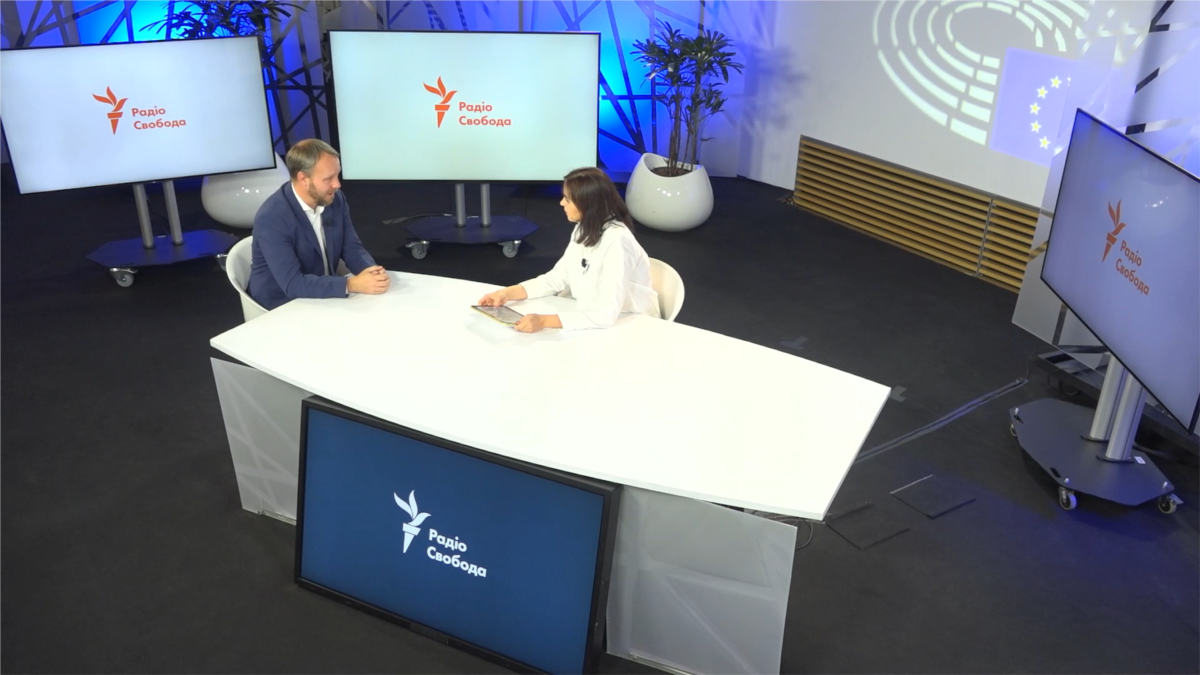
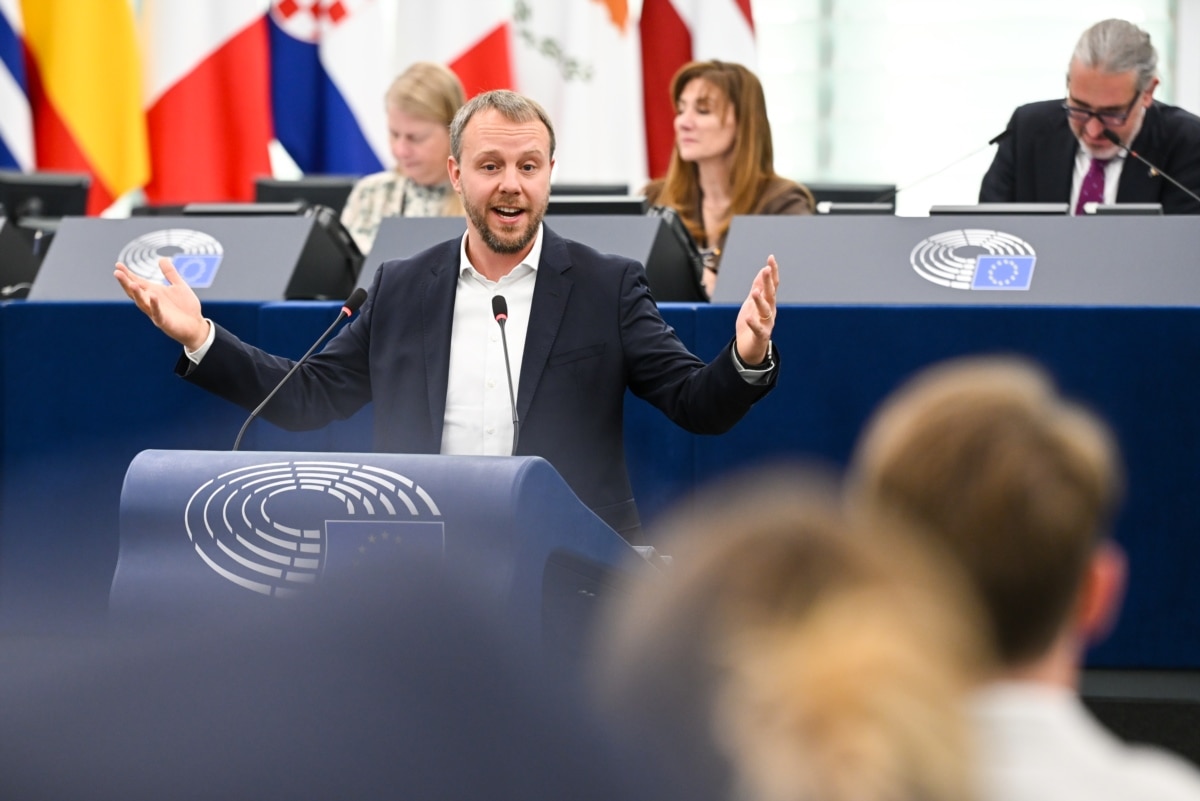
German Green MEP Daniel Freund, a member of the European Parliament's Committee on Budgetary Control, discussed the fallout in an interview with Radio Svoboda. In a recent report, Freund had already warned that there is no single, consolidated and transparent overview of how EU funds for Ukraine are allocated and spent.
High-profile investigations
Asked how the resignations affect EU trust in Ukraine at a time when the country depends heavily on European financial support, Freund said EU institutions are watching closely and want Ukraine to keep making progress on fighting corruption and on judicial reform. He said the EU has set benchmarks the Ukrainian government must meet to receive funding.
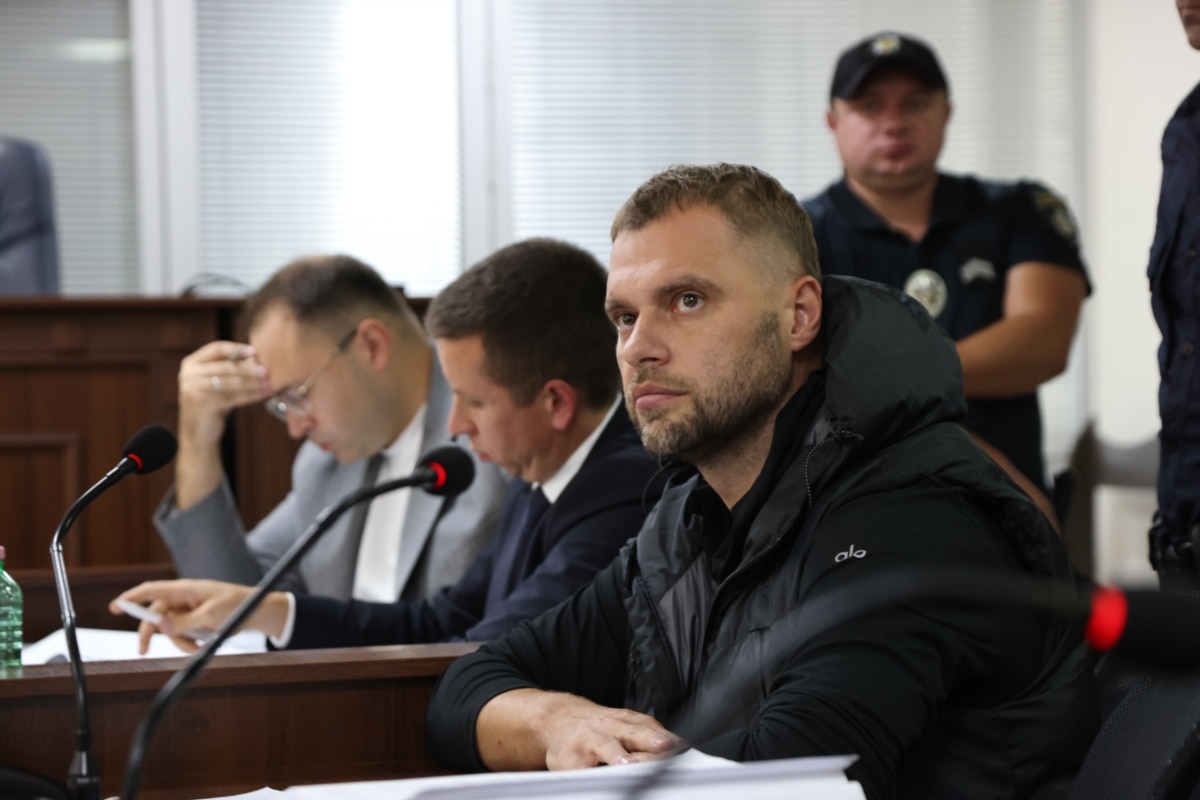
Freund said that rooting out corruption inevitably means a wave of new cases, prosecutions and even convictions, and that this is not necessarily a bad sign in itself. He noted that Ukraine's High Anti-Corruption Court had ordered a pretrial restriction on September 6 for Serhiy Kropyva, deputy head of the Prosecutor General's Office's Department of International Cooperation.
He added that when senior figures, including people involved in the fight against corruption itself, come under investigation or resign, it can undermine trust.
EU says trust not yet broken
Freund said trust has not been damaged so far, arguing that Ukraine has largely kept its promises. He pointed to one exception: an attempt last year to curb the independence of the National Anti-Corruption Bureau of Ukraine (NABU) and the Specialized Anti-Corruption Prosecutor's Office (SAP), which he said caused serious concern voiced by the European Parliament, the European Commission president and national governments. He said Ukrainian authorities were themselves surprised it happened, and that they reversed course afterward.
Freund also said that, for the first time last year, Ukraine failed to meet some conditions under the EU's Ukraine Facility funding mechanism, which he called troubling given the EU's hope that Ukraine both receives the funds and keeps advancing toward EU membership, noting the first negotiating chapters have already opened.
Investigations reach top officials
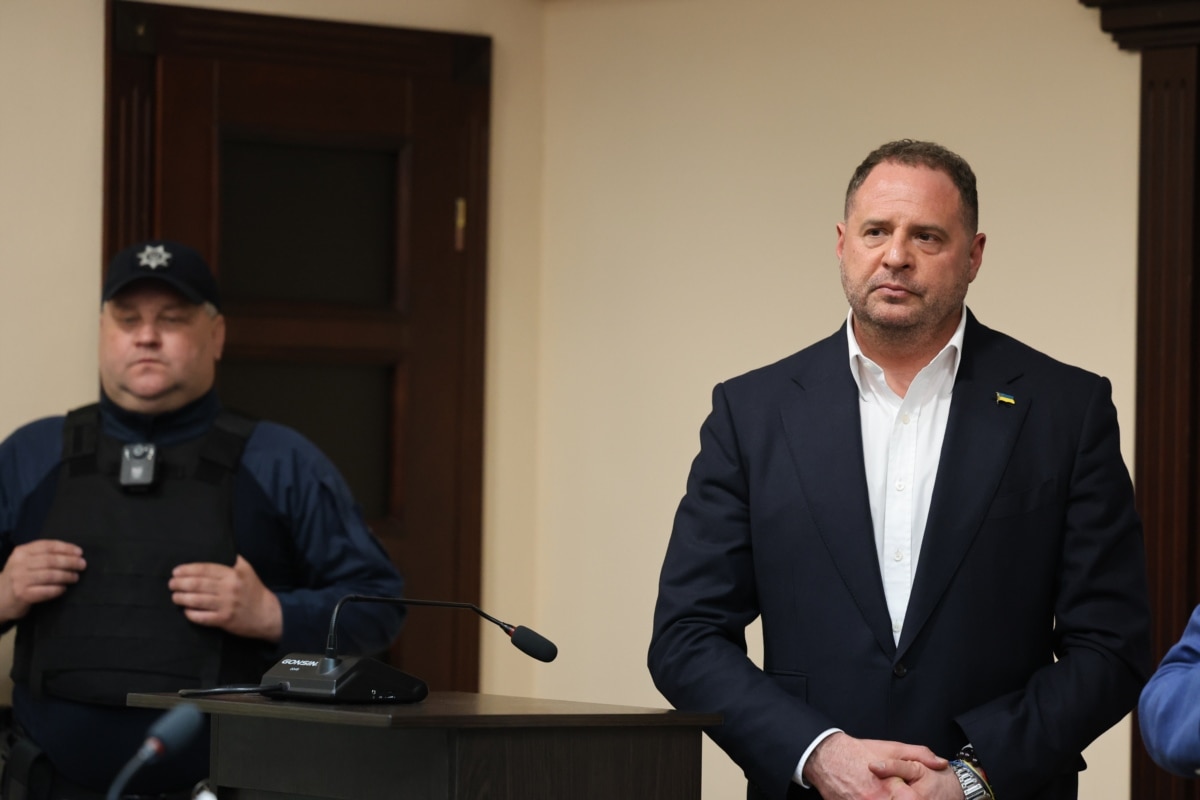
Asked about investigations touching people close to President Volodymyr Zelensky, including a Kyiv court's decision in May to impose a pretrial restriction on Andriy Yermak, the head of the presidential office, Freund said this reflects both a systemic corruption problem and a sign that reform is working.
He said corruption in Ukraine is systemic rather than confined to a small group, requiring judicial reform among other changes, and that investigations reaching deputy prime ministers or other senior officials show anti-corruption bodies are not intimidated by rank. Freund said what matters most to him is not the number of cases but whether institutions, legal frameworks and resourcing are sound, adding that a properly functioning justice system should eventually push out corruption, whether that takes three, five or ten years.
'Ukraine has strong support'
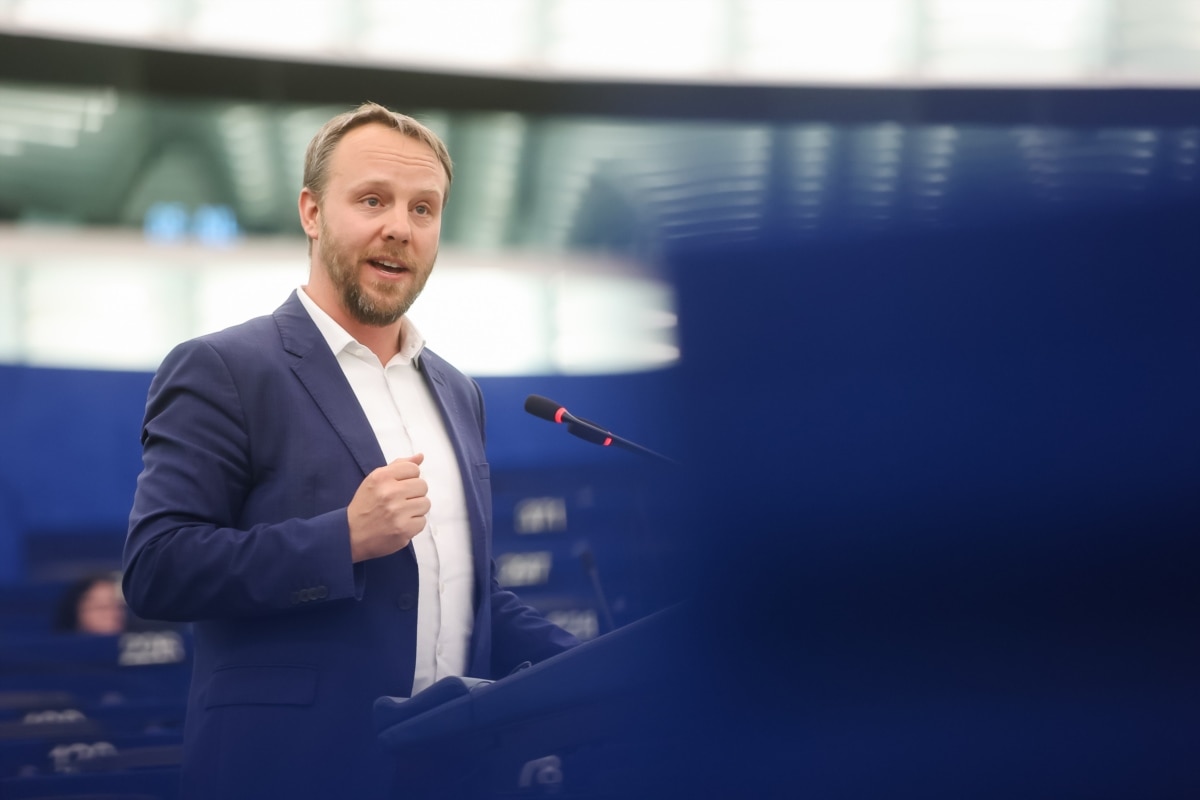
Asked whether trust had been fully restored after Ukraine's attempt to weaken NABU and SAP in the summer of 2025, Freund said such setbacks happen in democratic societies and that Ukraine continues to enjoy strong support and a high level of trust in Brussels. He said MEPs have more contact with, and make more visits to, Ukraine than to almost any other candidate country, and arguably more than to many EU member states.
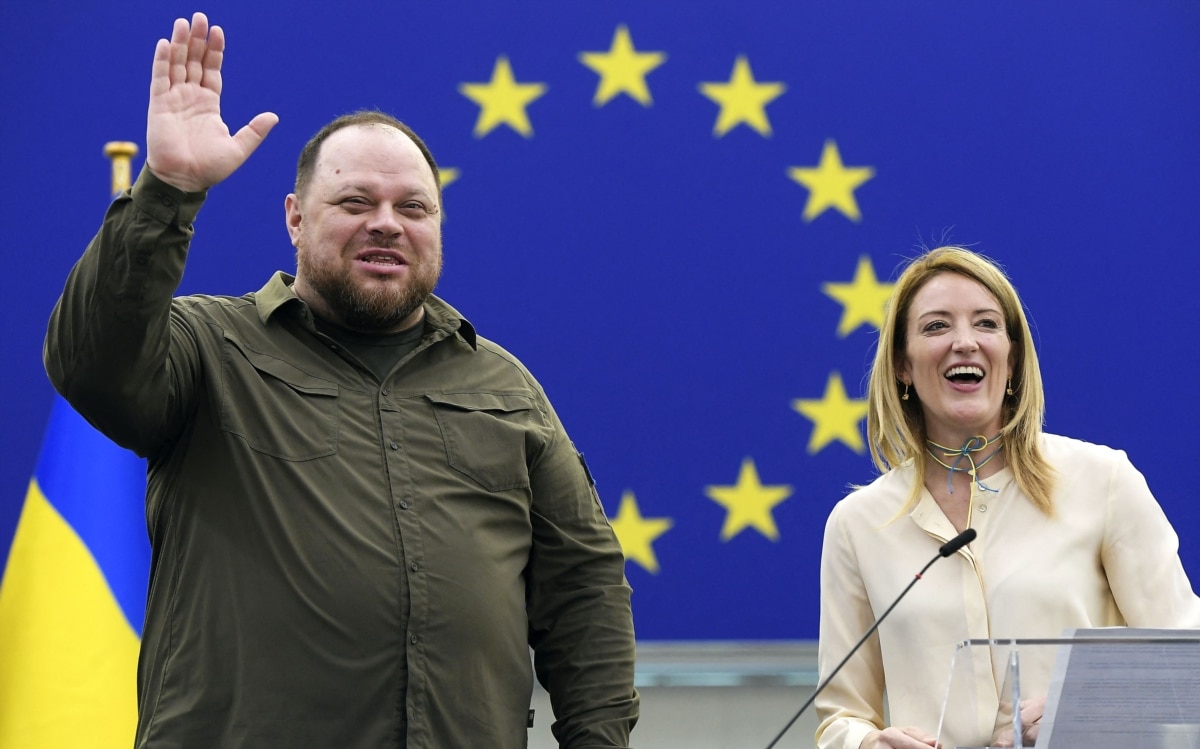
Freund said the relationship rests on a balance of trust and verification. Asked who is to blame for the lack of a consolidated overview of EU spending in Ukraine flagged in his report, he said the fault lies with the EU itself, which is now overhauling its anti-fraud system, including the European Public Prosecutor's Office, the European Anti-Fraud Office and Europol.
A gap left by Washington
Freund said Ukraine, as one of the largest recipients of EU funding, needs particular attention, and that oversight works differently in a country at war. He said he believed the Biden administration had focused more closely than European partners on anti-corruption and judicial reform issues in Ukraine, but that the Trump administration has withdrawn both that support and the pressure that came with it. He said the EU has stepped up its own oversight since, though he is not sure it has fully filled the gap left by the United States.
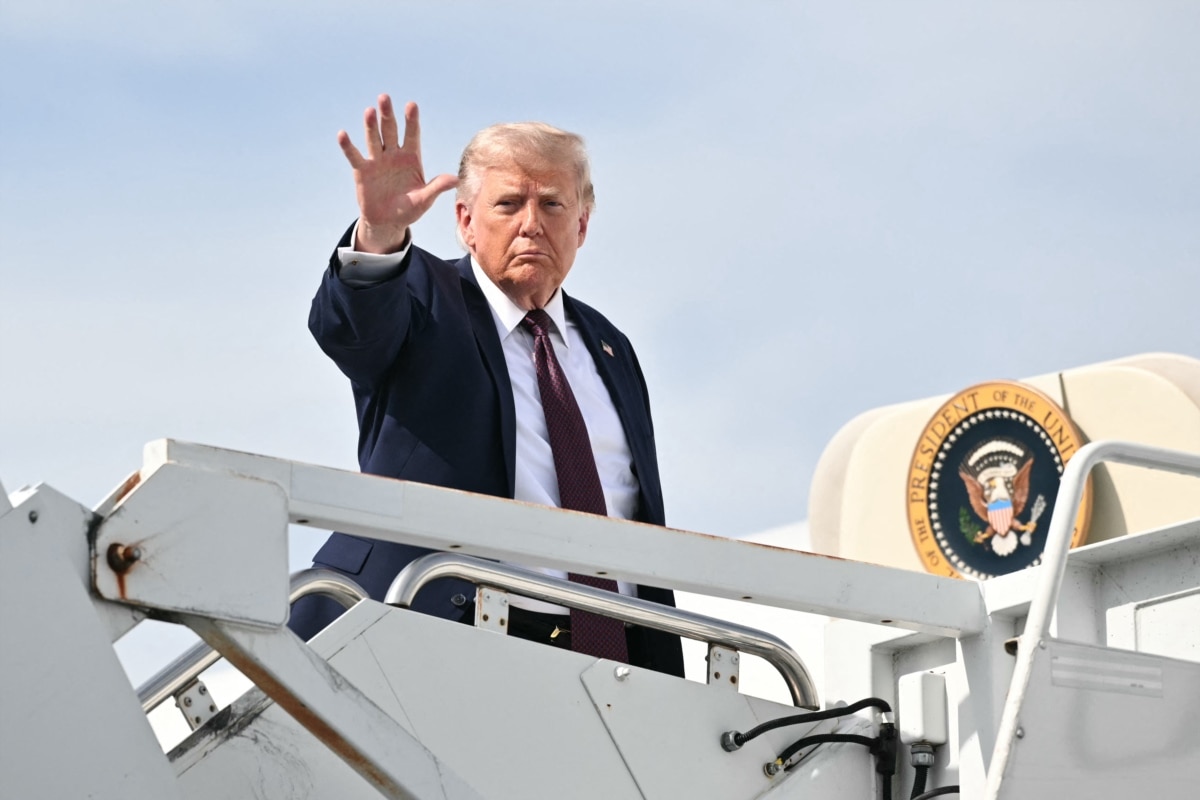
Freund said he wants to know whether the EU has enough people on the ground in Ukraine to verify that money is reaching its intended purpose, funding schools, equipping hospitals and supplying soldiers at the front, rather than enriching a corrupt official who may no longer even be in the country.
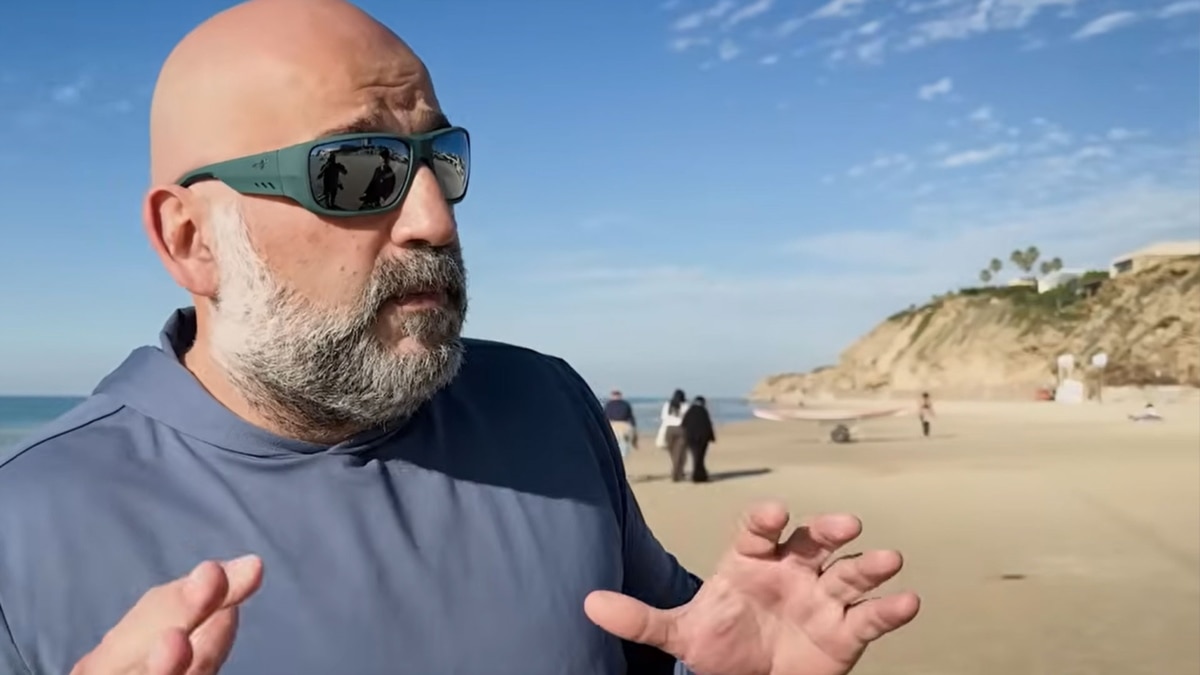
Lessons from Hungary
Freund said Ukraine's system of self-monitoring by its own institutions, overseen but not micromanaged by the EU, mirrors how the union works with its member states, pointing to Hungary as a cautionary example. He said the EU had previously seen billions of euros in EU funds stolen in Hungary, describing how the system collapsed under Prime Minister Viktor Orban and how members of his family and friends became billionaires through stolen EU money, while the EU's response was slow. The EU froze part of Hungary's funding over rule-of-law, corruption and budget-protection concerns; Orban and Hungarian authorities have denied allegations of systemic corruption.
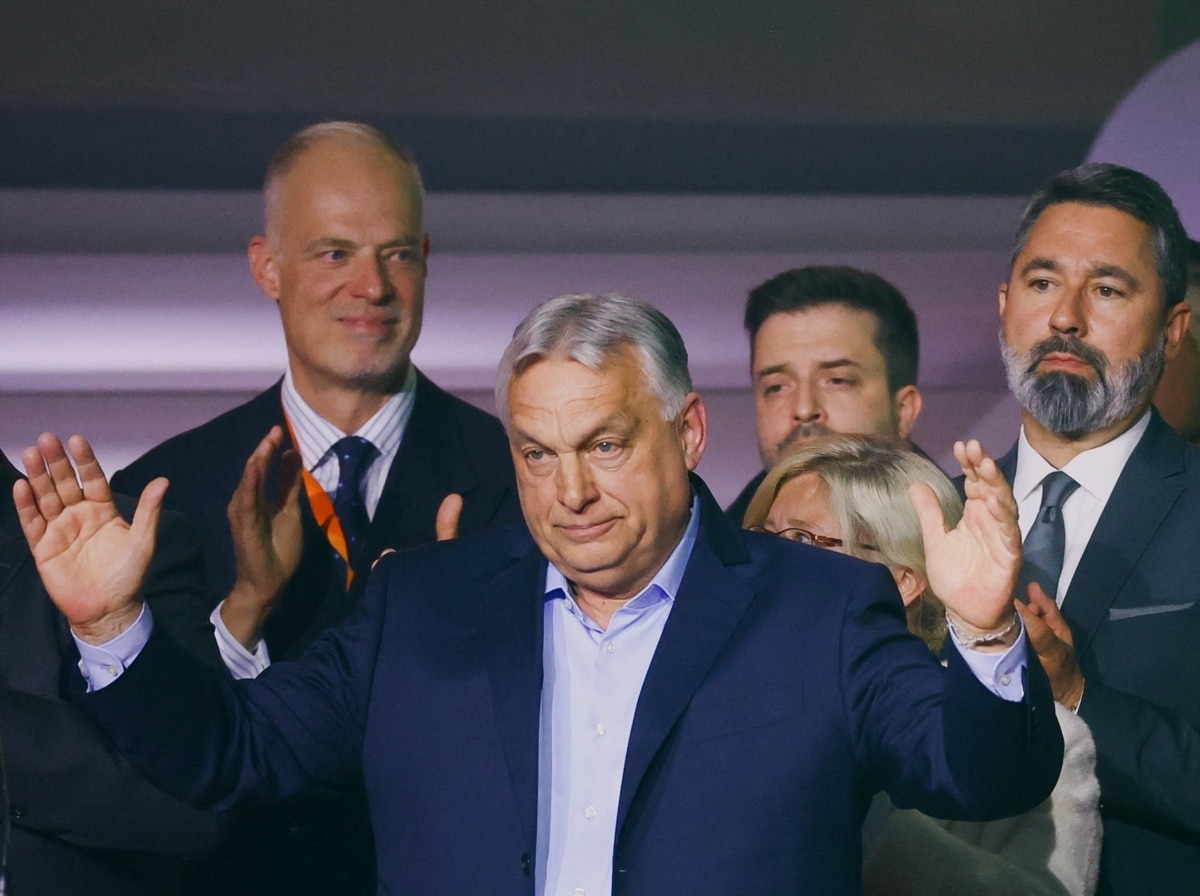
Freund said the EU eventually addressed the Hungarian case by freezing funding, after which Hungarian voters removed Orban, and the new government is working to fix the situation and restore institutions, which he said would allow funding to resume.
What still needs fixing
Freund said Ukraine's oversight works in a broadly similar way, with the EU monitoring overall institutional performance rather than managing bodies like the state audit service directly, issuing recommendations and requiring changes under the benchmark system. He said that if the EU sees systemic problems or unmet benchmarks, payment of part or all of the funding can be suspended until confidence is restored. He said the European Commission and budget-control MEPs work directly in Ukraine, meeting the opposition, investigative journalists and civil society groups, not only officials.
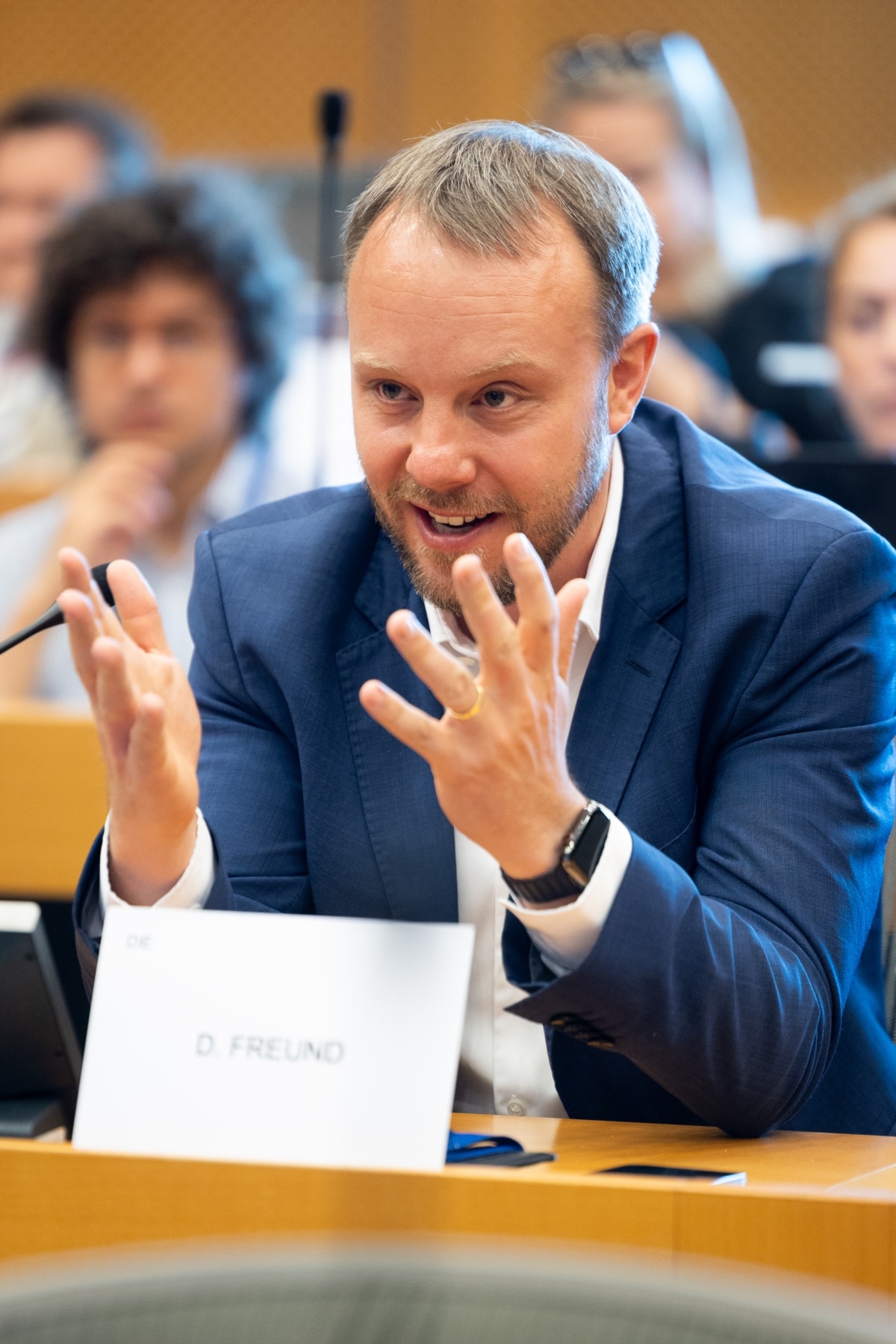
Asked where the biggest gaps remain, Freund said there is no single major gap but a series of them: a healthy civil society, media environment and investigative journalism are all needed, and he said US funding cuts to anti-corruption organizations and journalists have already weakened that environment. He also pointed to institutional reforms, including of Ukraine's Accounting Chamber, saying every benchmark matters equally because police, investigators, courts and the prison system all need to work together.
The 90 billion euro loan
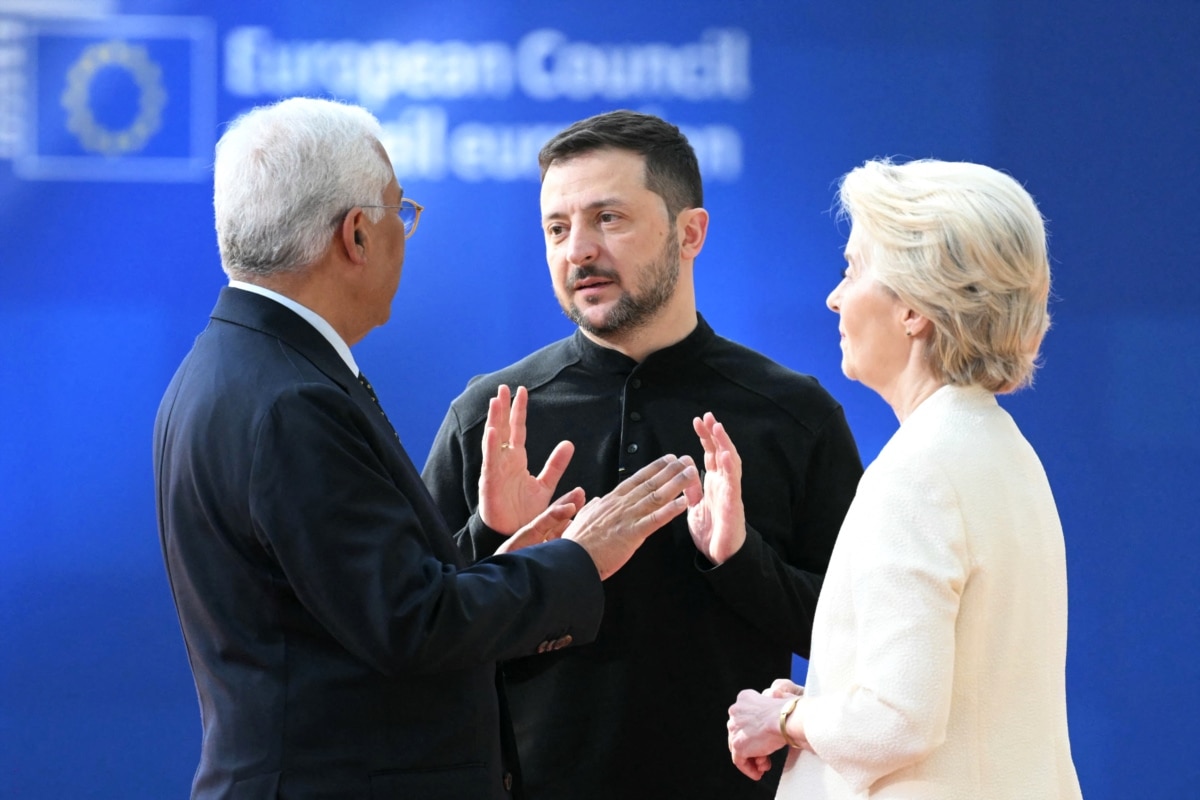
Turning to the EU's 90 billion euro loan to Ukraine, Freund said the EU's first priority is not whether audit systems are fully adapted to funding of that scale, but ensuring Ukraine can withstand the war, arguing that if Ukraine falls, EU member states will be attacked next. He said the EU does not want the 90 billion euros stolen and wants it to fully benefit Ukraine, which is why benchmarks and reform requirements exist.
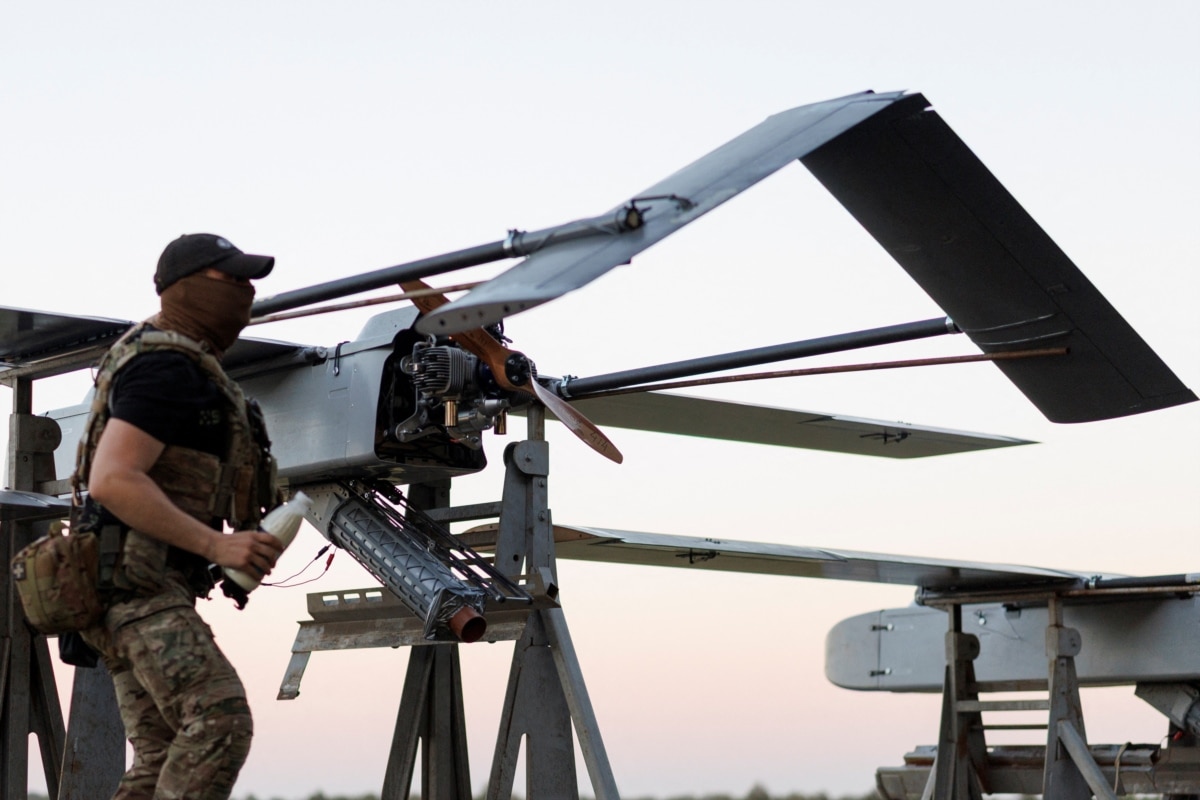
On defense procurement, which he acknowledged is historically linked to higher corruption risk during wartime, Freund said the EU needs to learn quickly, and has much to learn from Ukraine, contrasting Ukraine's fast shift to drone procurement with Germany spending billions on outdated weapons systems that ultimately did not work. He said EU monitoring needs to adapt, while EU states can learn from how quickly Ukraine adjusts procurement to battlefield needs.
Freund said the priority must be effective defense efforts, asking what would be gained if Ukraine fell and Vladimir Putin invaded Europe, but the EU's audit procedures had been flawless. He said the EU must keep finding the right balance between that priority and preventing money from being wasted or stolen.
Ukraine's request for early payment
Asked whether the corruption cases could make EU member states more reluctant to grant Ukraine's request to release part of next year's loan installment early to cover a budget shortfall, Freund said he hopes the argument for keeping Ukraine funded and functioning will prevail. He said there is little point telling Ukraine that funding will resume years later if the country cannot survive until then, adding that the decision may ultimately rest with EU heads of state and Zelensky rather than the European Parliament. He said he does not believe anyone in the EU wants Ukraine to run out of money or the ability to finance its defense.


