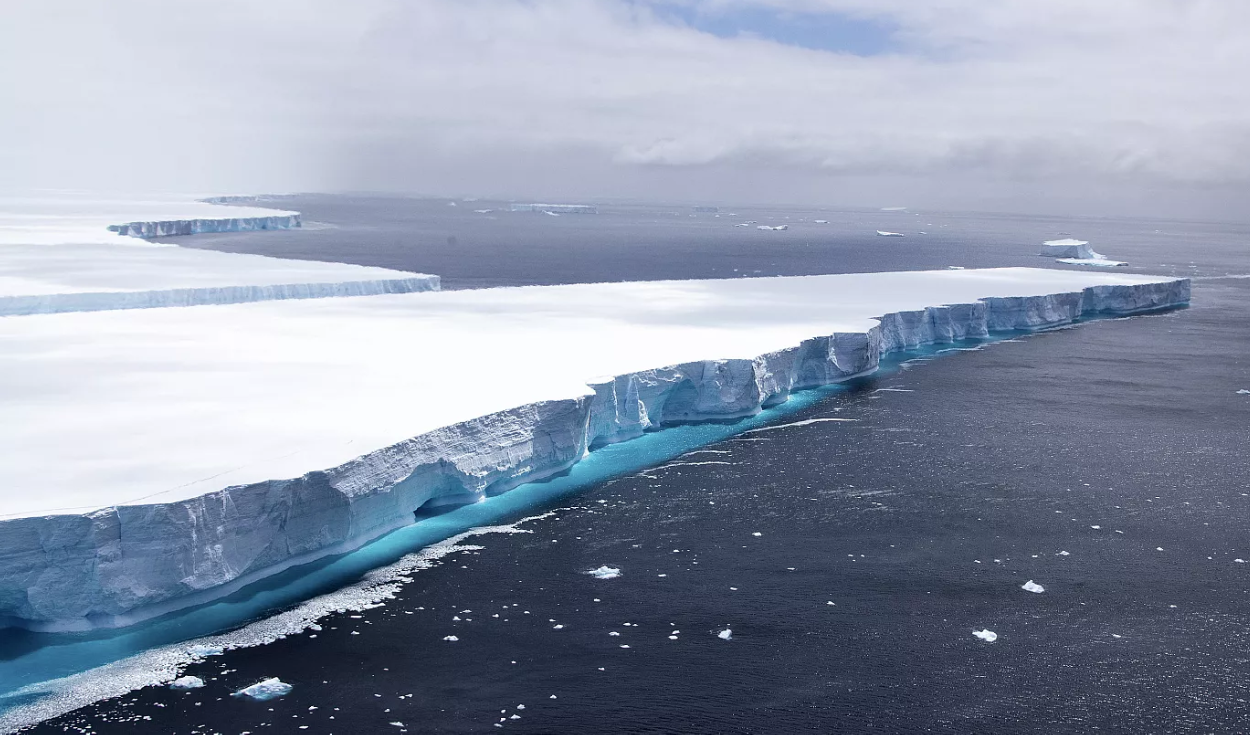
Scientists exploring the western Weddell Sea off Antarctica have discovered thousands of geometric nest patterns built on the seabed by icefish surviving in freezing polar waters.
The discovery was made using a remotely operated vehicle during a 2019 expedition, with findings published on Wednesday in the journal Frontiers. The research team originally set out to locate the wreck of HMS Endurance, the vessel of Anglo-Irish polar explorer Ernest Shackleton that sank in 1915, before severe ice forced them to halt their search.
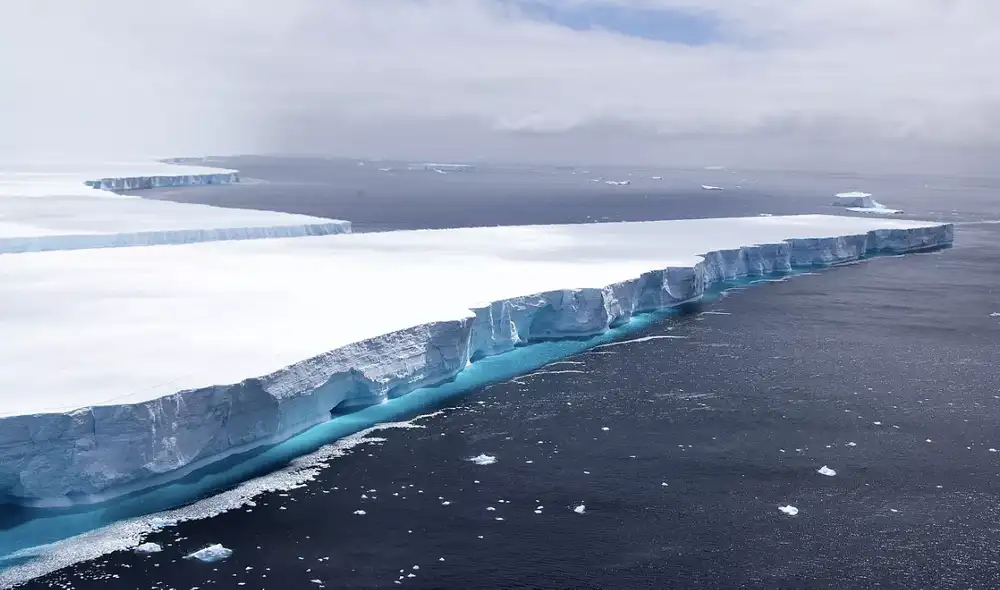
Observations of the pristine seafloor became possible after iceberg A68, a massive block measuring 5,800 square kilometers, detached from the Antarctic ice shelf and exposed an ocean floor area never seen before.
Icefish Nest Patterns on the Seabed
Images captured by the ship's underwater vehicle revealed thousands of circular nests meticulously maintained by icefish. The nests were arranged in distinct, regular patterns, demonstrating complex animal behavior in the frigid depths of the Southern Ocean.
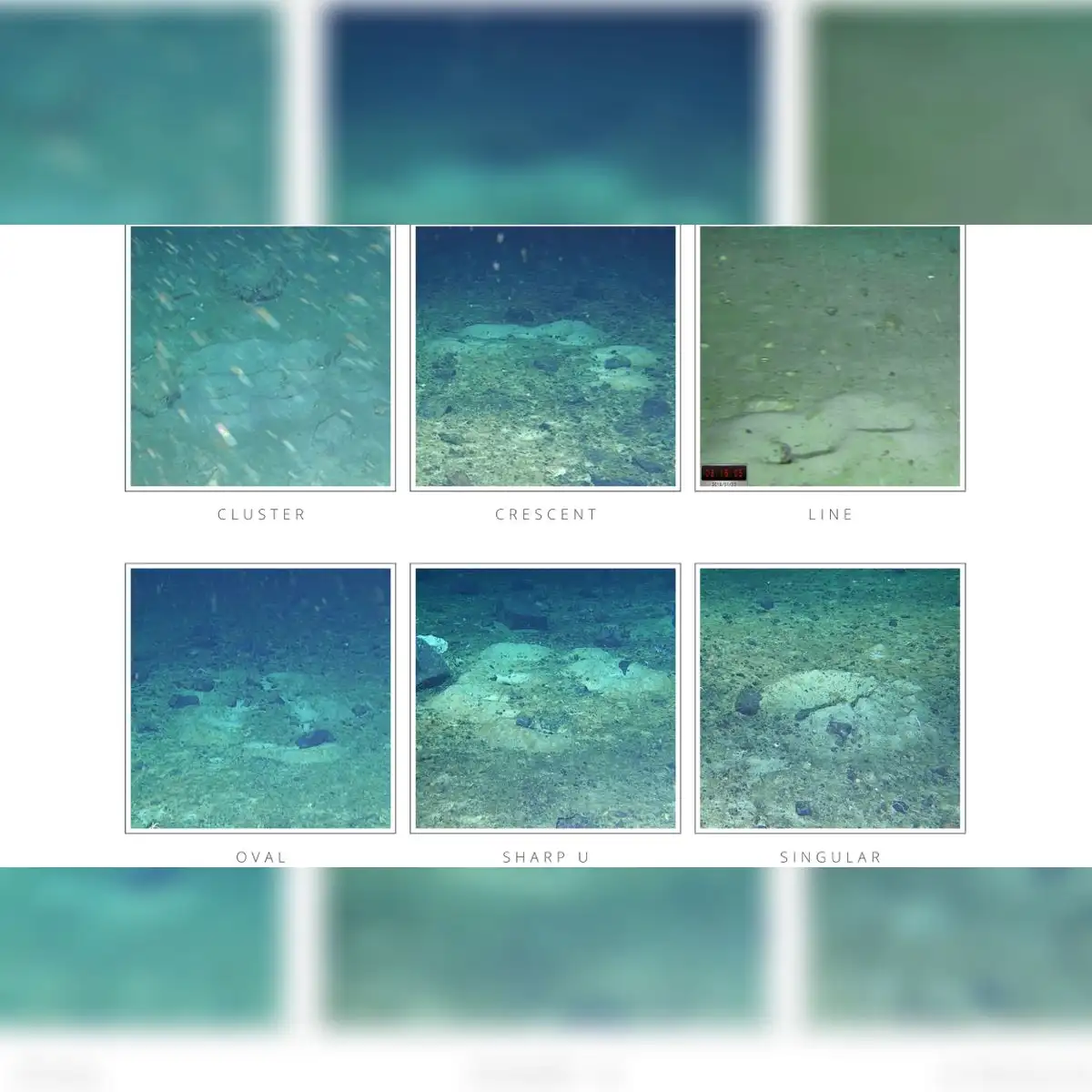
Russ Connelly, lead author of the study and a postgraduate researcher at the School of Life Sciences at the University of Essex, said that the existence of more than a thousand preserved nests in the surveyed regions showed that human exploration of the world remains ongoing, with new findings continuing to emerge.
Survival Strategy of Yellowfin Rockcod
Researchers attributed the construction of the seabed structures to yellowfin rockcod, a small and resilient species of Antarctic fish. Scientists believe that each circular nest was guarded by a parent fish that actively protected its eggs from danger.
According to the study, the dense nest clusters illustrate a finely tuned survival mechanism linked to the selfish herd theory. Under this evolutionary biological concept, fish nesting in the center receive protection from predators through their surrounding neighbors, whereas solitary nests on the periphery are thought to belong to stronger individuals capable of defending their own territory.
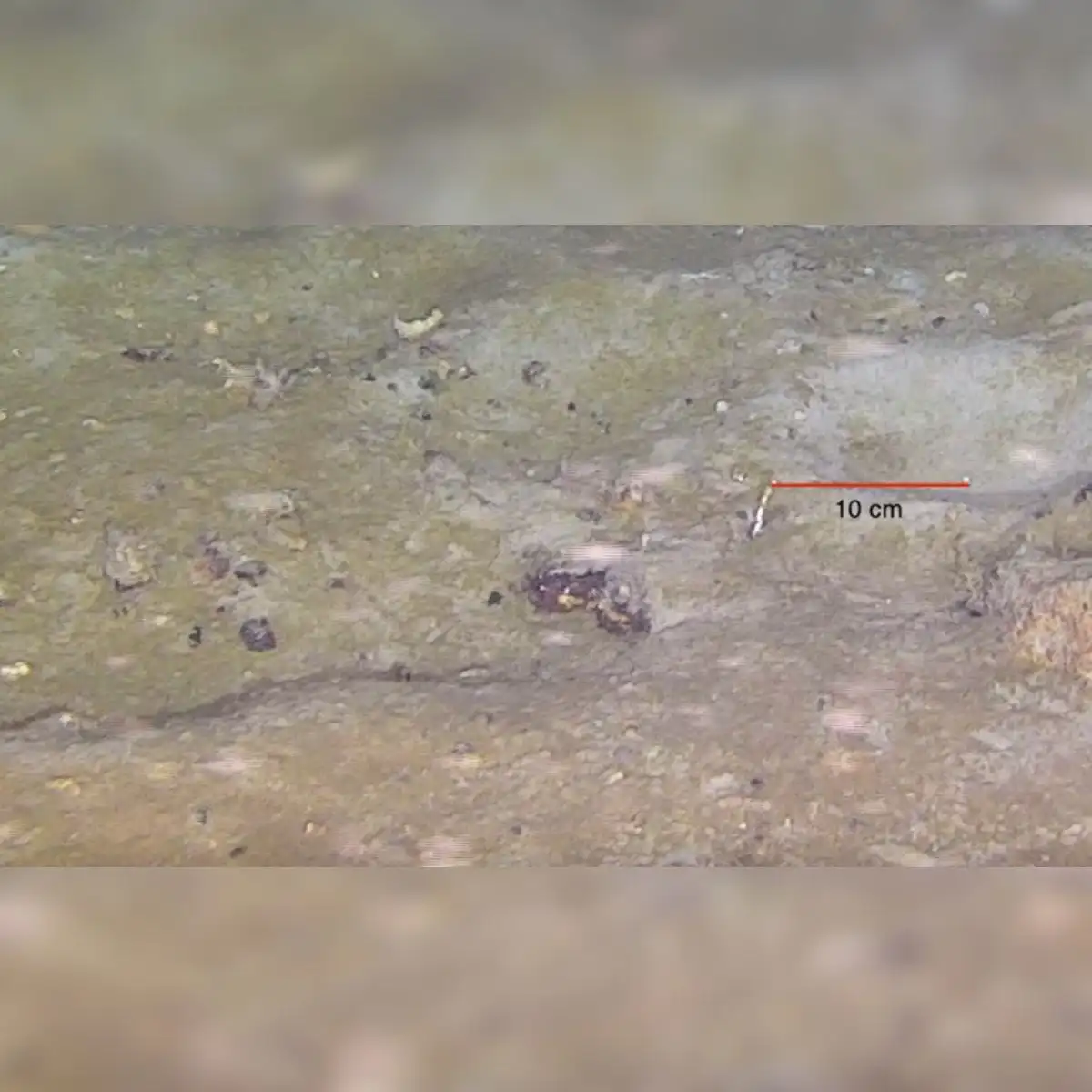
The nesting site has been classified as a Vulnerable Marine Ecosystem, highlighting a delicate habitat essential for Antarctic biodiversity. The discovery builds on earlier marine research, including a 2022 study that documented a vast breeding colony, considered one of the largest known fish nesting sites on Earth.
Calls for Antarctic Marine Protection
Protecting the newly mapped area is crucial for safeguarding key Antarctic species, including penguins and seals, which rely on hidden breeding nurseries as vital links in the marine food web. The fragile underwater habitat serves as evidence that complex communities can thrive even in the planet's harshest environments.
In light of threats posed by climate change, the scientific team emphasized the biological richness of the Weddell Sea and called for the region to be officially declared a marine protected area.