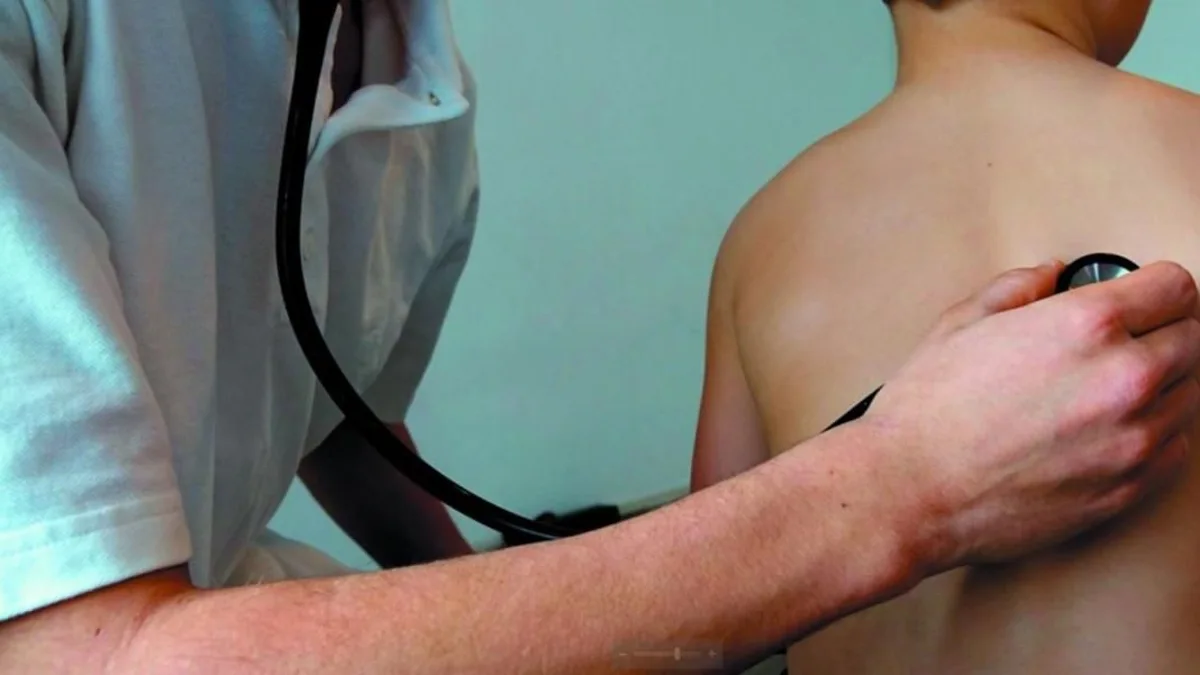
One in four people in Spain has fatty liver disease, and many do not know it, according to the Spanish Association for the Study of the Liver (AEEH). The condition can progress silently for years before causing cirrhosis or liver cancer.

The AEEH issued the warning during its Autumn Liver Health Conference, held on November 19 and 20 at the Official College of Physicians of Madrid (ICOMEM). Specialists at the meeting called for simple tests to be added to primary care checkups so people at higher risk can be identified before complications set in.
A disease that hides for years
The condition, now medically known as metabolic dysfunction-associated steatotic liver disease, or MASLD, is the current term for fatty liver caused by metabolic factors. It involves an excessive buildup of fat in liver cells and is closely linked to obesity, insulin resistance, type 2 diabetes and cholesterol problems.
Its silent nature is one of the biggest problems, doctors said. A person can feel perfectly well while their liver accumulates fat or develops fibrosis, the process in which healthy tissue is gradually replaced by scar tissue.
A blood test hepatologists want added to routine checkups
The AEEH is proposing that the FIB-4 index be calculated automatically in the medical records of patients with risk factors. The tool estimates the likelihood of advanced liver fibrosis using data from a standard blood test, including age, the liver enzymes AST and ALT, and platelet count.
FIB-4 does not diagnose the disease on its own, but it helps determine which patients need further testing. When fibrosis is suspected, specialists recommend liver elastography, a non-invasive test that measures liver stiffness to assess possible scarring. Clinical guidelines from the European Association for the Study of the Liver, together with diabetes and obesity societies, back this step-by-step approach, particularly for people with type 2 diabetes, obesity and other metabolic risk factors.
Doctor José Luis Calleja, head of the Gastroenterology and Hepatology Department at Puerta de Hierro Majadahonda University Hospital, said a person with type 2 diabetes or obesity should know the state of their liver just as they know their glucose or cholesterol levels.
Calleja noted that catching fibrosis in its early stages allows doctors to intervene while there is still a chance to slow its progression. The concern is especially acute among people with type 2 diabetes: according to figures released by the AEEH, up to 15% of these patients already have advanced liver fibrosis.
Exercise can help even without weight loss
Physical activity can improve liver health even when the scale barely moves, according to doctors at the conference. European guidelines on MASLD, published in the Journal of Hepatology, cite clinical trials showing that exercise, even without significant weight loss, can reduce fat buildup in the liver.
Studies have looked at different types of training, from brisk walking and cycling to strength exercises and high-intensity interval programs. Specialists recommend accumulating more than 150 minutes of moderate activity a week, or at least 75 minutes of intense exercise, adjusted to each person's fitness level.
Strength training also matters because it helps preserve muscle mass and improves metabolic health. The World Health Organization recommends working the major muscle groups at least two days a week, which can translate into a routine combining a half-hour brisk walk several days a week with resistance exercises using weights, machines, elastic bands or body weight.
Losing 5% to 10% of body weight can improve liver health
Diet is another pillar of treatment. European guidelines recommend a Mediterranean-style eating pattern, cutting back on ultra-processed foods high in saturated fat and sugar, and avoiding sugary drinks. In people with fatty liver and excess weight, research has identified different benefits depending on how much weight is lost.
- A sustained loss of at least 5% of body weight can reduce fat buildup in the liver.
- A reduction of 7% to 10% can improve liver inflammation.
- A loss of 10% or more can help improve fibrosis.
These figures are general clinical targets, not guarantees, doctors said. Fatty liver can also appear in people with a normal body mass index, so being slim does not rule out the disease. Specialists also stressed the importance of assessing alcohol consumption, which can worsen liver damage and affect both diagnosis and treatment.
A disease that could double its healthcare cost by 2040
A study published in Clinical Gastroenterology and Hepatology estimates that direct medical spending linked to metabolic steatohepatitis, the inflammatory form of the disease, could more than double in Spain by 2040. According to figures shared by the AEEH, the cost would rise from roughly 1.35 billion euros to about 3.2 billion euros.

Doctor Javier Crespo, of Marqués de Valdecilla University Hospital, also called for better access to new treatment options already authorized in Europe, which have yet to be incorporated into Spain's National Health System, he said during the conference.
Hepatologists' main message is that prevention should begin long before serious liver disease develops. Having type 2 diabetes, obesity or several cardiovascular risk factors is reason enough to ask a doctor whether a liver health check is needed, even without symptoms. Exercise, a balanced diet and weight control are key to lowering the risk, but they do not replace medical testing when fibrosis is suspected.
Test yourself
According to the AEEH, what proportion of people in Spain has fatty liver disease?
What is the FIB-4 index used for?
By how much could the healthcare cost of treating metabolic steatohepatitis in Spain rise by 2040?
Where it happened
Madrid, Spain