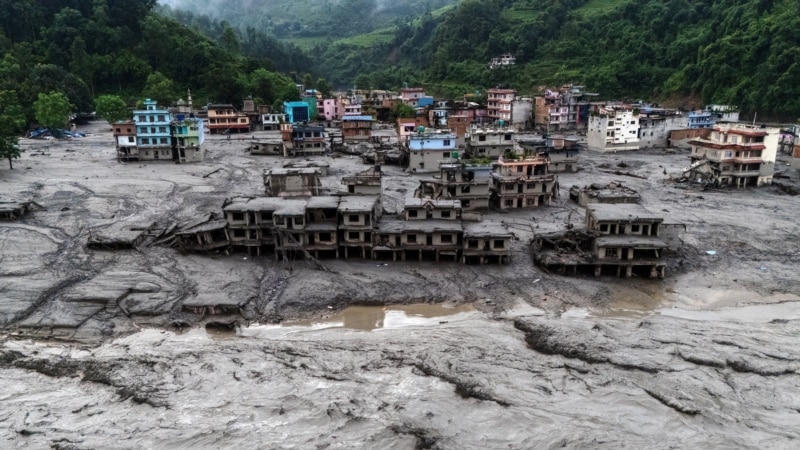
Fifty-six Ukrainian citizens remain missing in Nepal following a catastrophic flash flood that struck the Himalayan nation and neighbouring Tibet in late August.
The diplomatic service in Kyiv confirmed to Radio Svoboda that despite weeks of intensive searches by diplomats, consuls, and rescue teams, none of the missing Ukrainians have been identified among the survivors or the deceased.
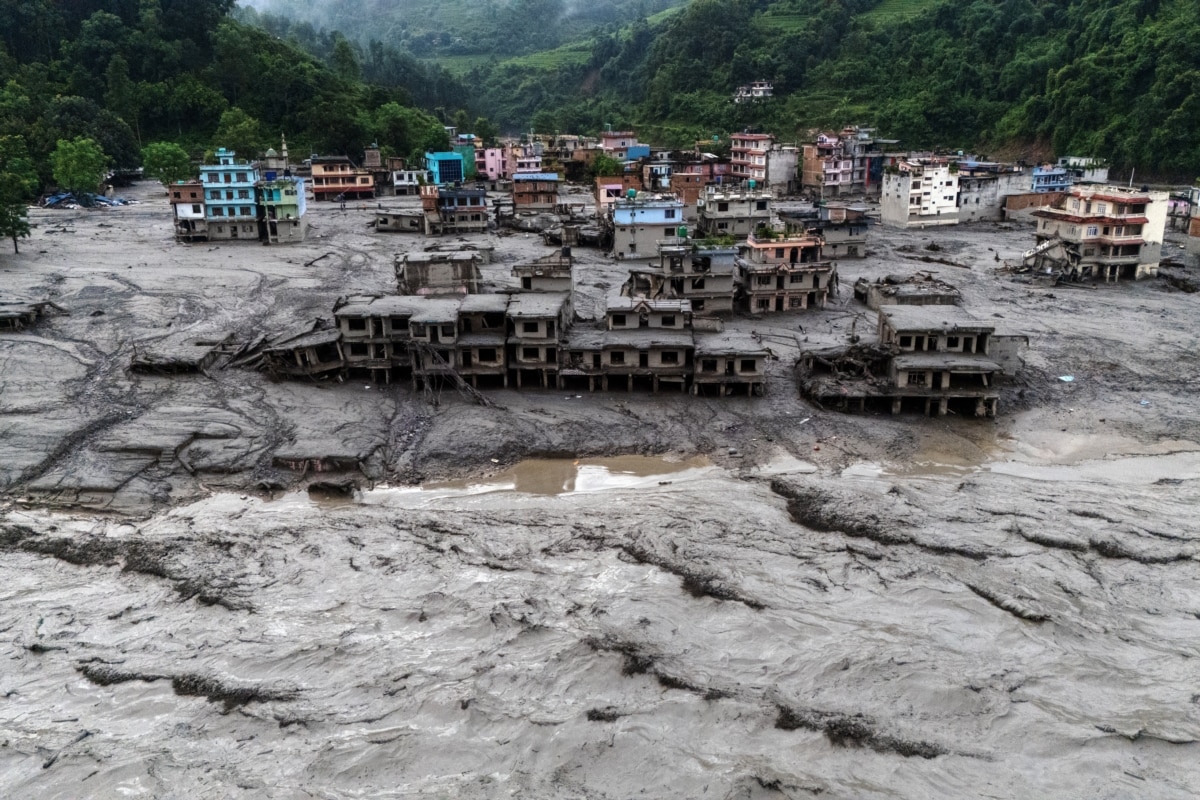
Officials at the Ministry of Foreign Affairs of Ukraine described the natural disaster as a tragedy of unprecedented scale that left nearly 6,000 people missing across the region. They stated that foreign tourists were among those unaccounted for, including the 56 Ukrainian nationals.
The flooding has claimed at least 1,455 lives in Nepal, where official government records list 5,285 people as missing. In neighbouring China, authorities confirmed 43 deaths and 519 missing persons in the Tibetan region, including 261 foreign citizens.
Official search and identification efforts
Nepal recently announced the conclusion of its 40-day active search and rescue operation following the disaster. However, the Ukrainian Foreign Ministry clarified that the end of active operations does not signify a halt to searches or to investigations into the disappearance of the victims. Rescue services continue to search terrain and work to identify human remains.
Because Nepalese authorities have initiated legal procedures to formally declare missing persons deceased, the Embassy of Ukraine in India re-applied to competent local agencies. Ukrainian diplomats are requesting official guidance on procedures for legally documenting deaths when physical remains cannot be recovered or identified.
The Ukrainian Embassy in New Delhi handles diplomatic and consular relations for Nepal, providing emergency assistance, legal representation, and official support for Ukrainian citizens travelling in the Himalayan country.
DNA collection and disaster causes
To assist international forensic teams, the National Police of Ukraine is finalizing a database of DNA profiles gathered from relatives of the missing citizens. Once completed, diplomats will transfer the genetic profiles to foreign authorities to help match unidentified remains.
The National Police of Ukraine manages domestic forensic registries and coordinates with international law enforcement agencies to identify victims of overseas disasters using standardized genetic profiling protocols.
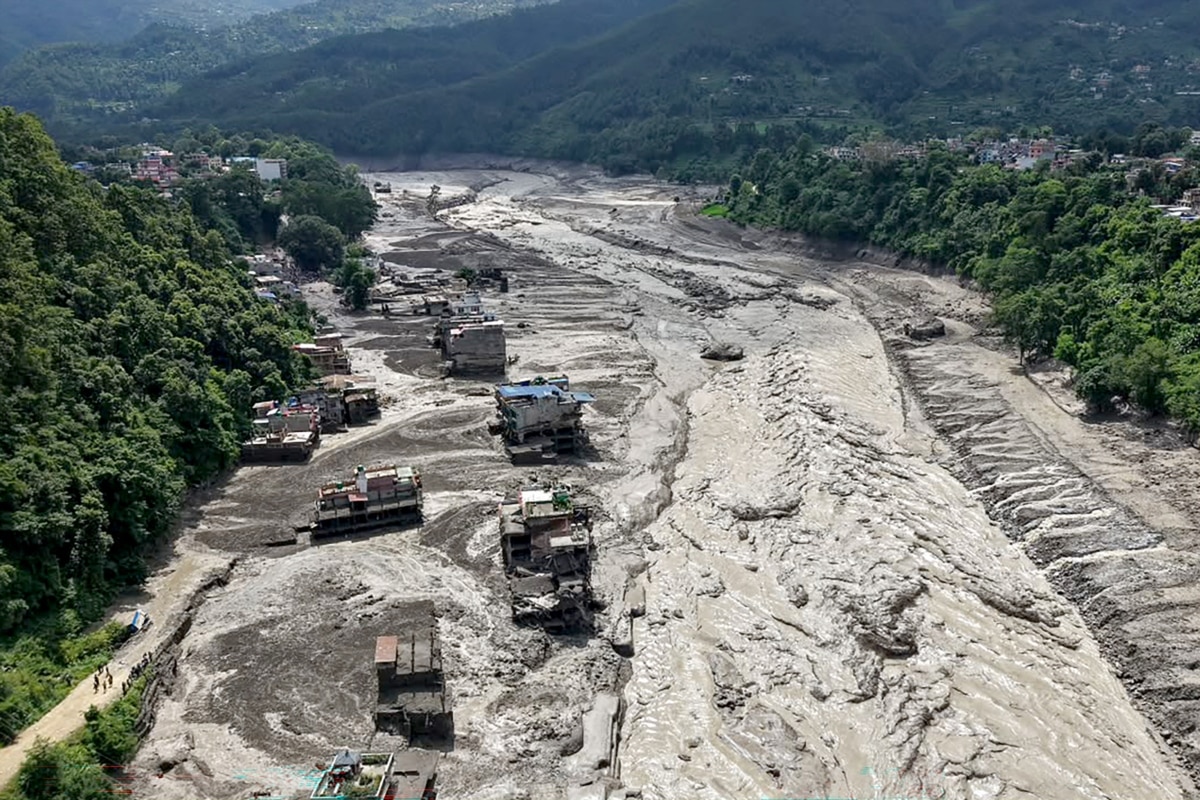
The catastrophic flooding began on August 26 after a small earthquake triggered a massive landslide along the mountainous border between Nepal and Tibet. Earth and debris swept down mountain slopes, blocking the flow of the Trishuli, Bhote Koshi, and Narayani rivers.
The resulting land dams caused river waters to rise rapidly before breaching their banks. Torrents of water mixed with thick mud and heavy boulders flooded riverbanks and overwhelmed adjacent coastal communities.
The Trishuli, Bhote Koshi, and Narayani rivers originate in the high-altitude terrain of the Himalayas before flowing across Nepal. The region is prone to severe seasonal land movements, where narrow river channels can easily become obstructed by debris during seismic activity.