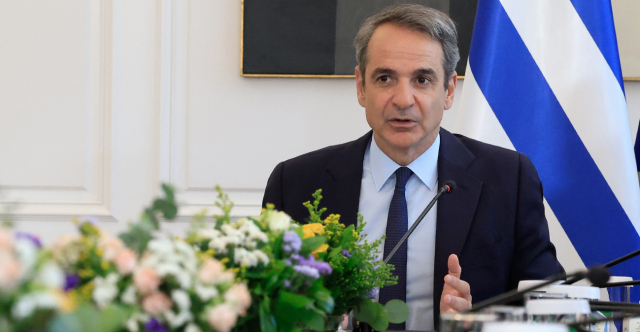


Deputy Health Minister Marios Themistokleous has announced that Greece will recruit more than 1,200 auxiliary staff for state hospitals and health centres by late November.
The recruitment drive aims to reinforce Greece's National Health System ahead of winter, with planning for further hiring in 2027 already underway to improve staffing levels across public medical facilities.

Speaking during an interview on the state television channel ERTnews, Themistokleous said the influx of auxiliary personnel across hospitals and community health centres would exceed 1,200 before the end of the month. He added that the ministry had begun preparing the 2027 hiring schedule, anticipating that the operational situation in public clinics would show noticeable improvement compared to 2026.
Greece's National Health System, known domestically by the acronym ESY, provides emergency and inpatient treatment across mainland hospitals and regional medical centres. Auxiliary appointments in the Greek public sector operate as fixed-term contract roles designed to alleviate severe operational shortfalls and support permanent medical teams during periods of heavy seasonal demand.
Hospital staffing and medical incentives
Addressing persistent shortages in specialist hospital departments, Themistokleous stated that targeted incentives had successfully expanded the ranks of anesthesiologists. He asserted that state facilities now maintain one of the highest numbers of anesthesiologists recorded in the country.
The minister also addressed difficulties in recruiting doctors to work in health centres on Greek islands and across remote mainland regions. He said state authorities had introduced financial incentives covering two months of rent for medical personnel, while several municipal authorities had allocated residential housing directly to incoming doctors.
Themistokleous said that where local government had intervened to secure accommodation, authorities had almost entirely resolved the housing challenge for medical staff. Attracting doctors to remote Aegean and Ionian islands has long posed difficulties for Greek public administration due to high living costs and severe shortages of affordable long-term housing.
Turning to professional regulation, Themistokleous said the government planned to transform the Panhellenic Association of Psychologists into a legal entity under public law. He explained that the upcoming statutory framework would establish formal requirements for professional practice, introduce systematic regulatory oversight, and institute dedicated disciplinary councils.
National cancer screening expansion
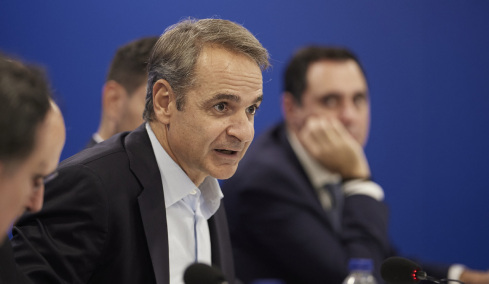
Alongside hospital staffing initiatives, Themistokleous announced the continuation and rollout of free nationwide preventive medical examinations. Following a brief pause, the Fofi Gennimata breast cancer screening initiative resumed on October 14, with remaining screening programs for other health conditions expected to restart before the end of November.
The flagship program honors the memory of Fofi Gennimata, the former leader of Greece's center-left PASOK party, who died of breast cancer in October 2021. The national initiative provides free digital mammograms and specialist consultations to eligible women without requiring a doctor's referral.
According to Themistokleous, approximately seven million citizens have participated in at least one state-funded preventive screening initiative. Mammogram numbers in Greece have risen significantly, increasing from around 50,000 examinations in 2022 to more than 350,000 by late 2026.
Themistokleous stated that one in eight women would develop breast cancer, stressing that the disease is fully treatable when detected at an early stage. He noted that the screening initiatives have been incorporated permanently into the National Health System budget so they can continue annually, adding that the Ministry of Health must function as a ministry of health rather than a ministry of illness.
Winter vaccination drive and viral infections
The deputy minister also provided an update on seasonal illnesses, reporting a gradual increase in viral infections across Greece. He described the current infection rates as expected for the autumn and winter period.
Themistokleous stressed that vulnerable groups and individuals with chronic medical conditions should receive their seasonal vaccinations promptly, noting that the national vaccination window remains open until the end of November. He confirmed that citizens can safely receive the influenza shot and the COVID-19 vaccine on the same day.
Eligible priority groups for the flu vaccine include individuals aged 60 and over, patients with chronic conditions, pregnant women, and breastfeeding mothers. Themistokleous advised anyone with questions to consult their personal doctor, noting that enhanced influenza vaccines designed for older age brackets are provided free of charge, although they require a doctor's prescription.