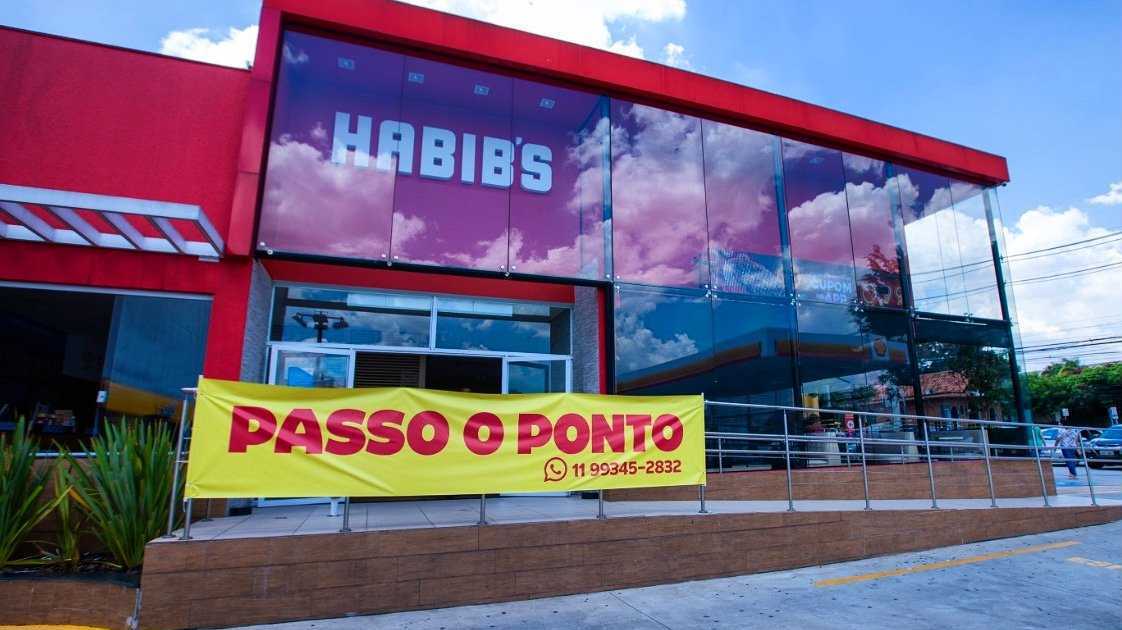
Brazilian fast-food company Grupo Gennius, owner of the Habib's restaurant chain, has filed for judicial recovery in Sao Paulo after accumulating debt.
The corporate restructuring request follows total reported liabilities of 265 million reais, including more than 300 million reais in bank debt owed to multiple financial institutions across Brazil.
Judicial recovery is a legal mechanism under Brazilian corporate law that allows financially distressed companies to reorganize their debts under court supervision while maintaining business operations. Grupo Gennius is the parent company behind several major food service brands in Brazil, including the flagship Middle Eastern fast-food chain Habib's, Italian-style restaurant chain Ragazzo, and steakhouse chain Tendall Grill.
Impact of the Covid-19 pandemic
In court documents submitted in Sao Paulo, Grupo Gennius outlined three primary economic factors that forced the holding company into financial restructuring. The filing identified the Covid-19 pandemic between 2020 and 2022 as the initial catalyst for its financial imbalance.
Prior to the health crisis, the group pursued an aggressive expansion strategy, opening numerous outlets to capture consumer demand in high-density commercial areas, such as shopping malls and urban centers across major Brazilian cities. However, the company reported a severe mismatch between these heavy capital investments and the revenue generated once pandemic restrictions took hold.
Although public health restrictions were eventually eased, Gennius stated that the structural effects of the pandemic proved permanent in several key respects. The widespread transition to remote and hybrid work models permanently reduced daily foot traffic in downtown business districts, disrupting the steady flow of customers who had previously visited stores during their daily work commutes.
Shift to food delivery platforms
The second factor cited in the court filing is a lasting shift in consumer dining habits that directly affected the fast-food sector. As a consequence of the pandemic, consumers increasingly stopped visiting physical restaurants in person and turned to ordering meals at home.
The widespread adoption of online restaurant marketplace platforms and delivery applications accelerated this change in consumer behavior. Although Gennius acknowledged that digital delivery platforms served as crucial sales channels for its brands, it noted that they simultaneously compressed the profit margins of physical restaurant locations.
Across multiple regional markets, the group recorded a sustained decline in store visit frequency. The company explained that this drop in physical customer traffic damaged operational results and eroded profitability across its restaurant network.
Surging interest rates and debt service
The third critical driver detailed by the company was a severely adverse macroeconomic climate in Brazil. In particular, the central bank basic interest rate, known as the Selic, was raised abruptly up to 15 percent per year.
This aggressive monetary tightening cycle substantially increased the cost of capital required for ongoing activities, working capital management, and regular financial obligations. Gennius pointed out that the overwhelming majority of its debts had been contracted during the pandemic period when borrowing costs were lower.
When benchmark interest rates climbed, the company faced an unexpected spike in debt service costs. This sudden financial drain strained working capital, created payment defaults with key suppliers, and caused operational disruptions.
With bank debt exceeding 300 million reais, debt servicing absorbed a growing share of the operational cash flow generated by the company. Gennius stated that this situation restricted its financial flexibility, curtailed new investment, and exacerbated the financial imbalance that led to the judicial recovery request.
Precautionary relief and creditor negotiations
Before submitting its official judicial recovery petition, Grupo Gennius filed for urgent precautionary relief measures to protect its business operations. The interim injunction sought to temporarily suspend debt collections and asset executions prior to the formal restructuring filing.
Attorneys for Grupo Gennius stated that the 60-day asset protection period granted under the precautionary injunction helped establish a structured environment for debt negotiations between the company and its creditors. During that period, judicial executions and administrative enforcement actions regarding eligible debts were legally suspended.
However, the court filing notes that while the temporary injunction provided brief financial breathing room and a favorable setting for collective negotiation, it ultimately proved insufficient. As negotiations progressed, the group determined that a global debt restructuring was necessary and identified judicial recovery as the most efficient legal tool.
Company outlook and business viability
Despite the turbulent financial background, Grupo Gennius emphasized that entering judicial recovery is part of a planned financial restructuring strategy designed to ensure long-term business sustainability and evolution. The company expressed confidence that it will overcome its current crisis.
Management highlighted its extensive operational experience in the food service sector as a core asset during the restructuring. In addition, the group cited early signs of market recovery following the period of high interest rates as evidence of its underlying economic and financial viability.