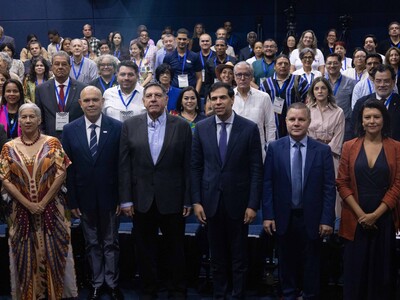
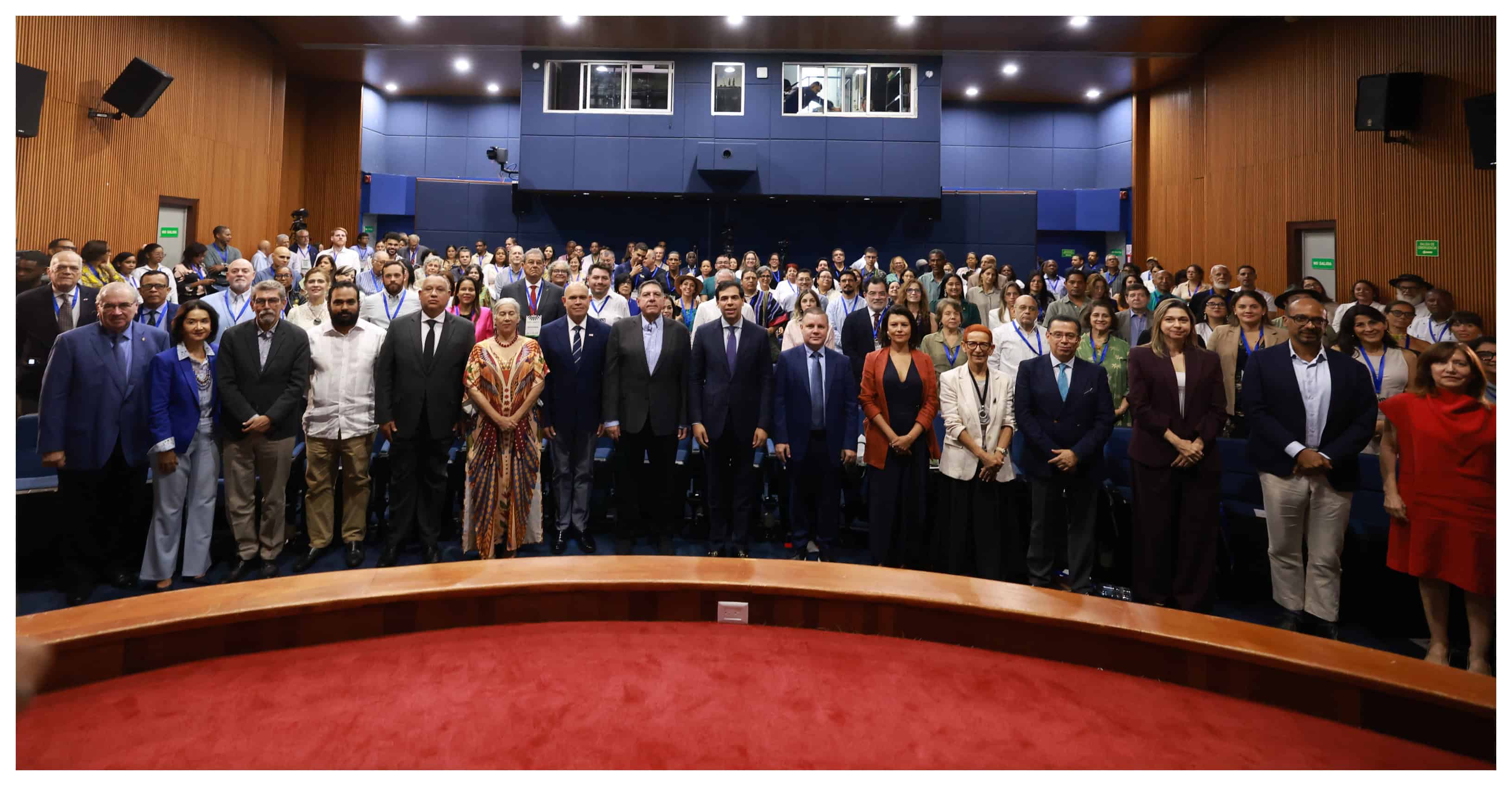
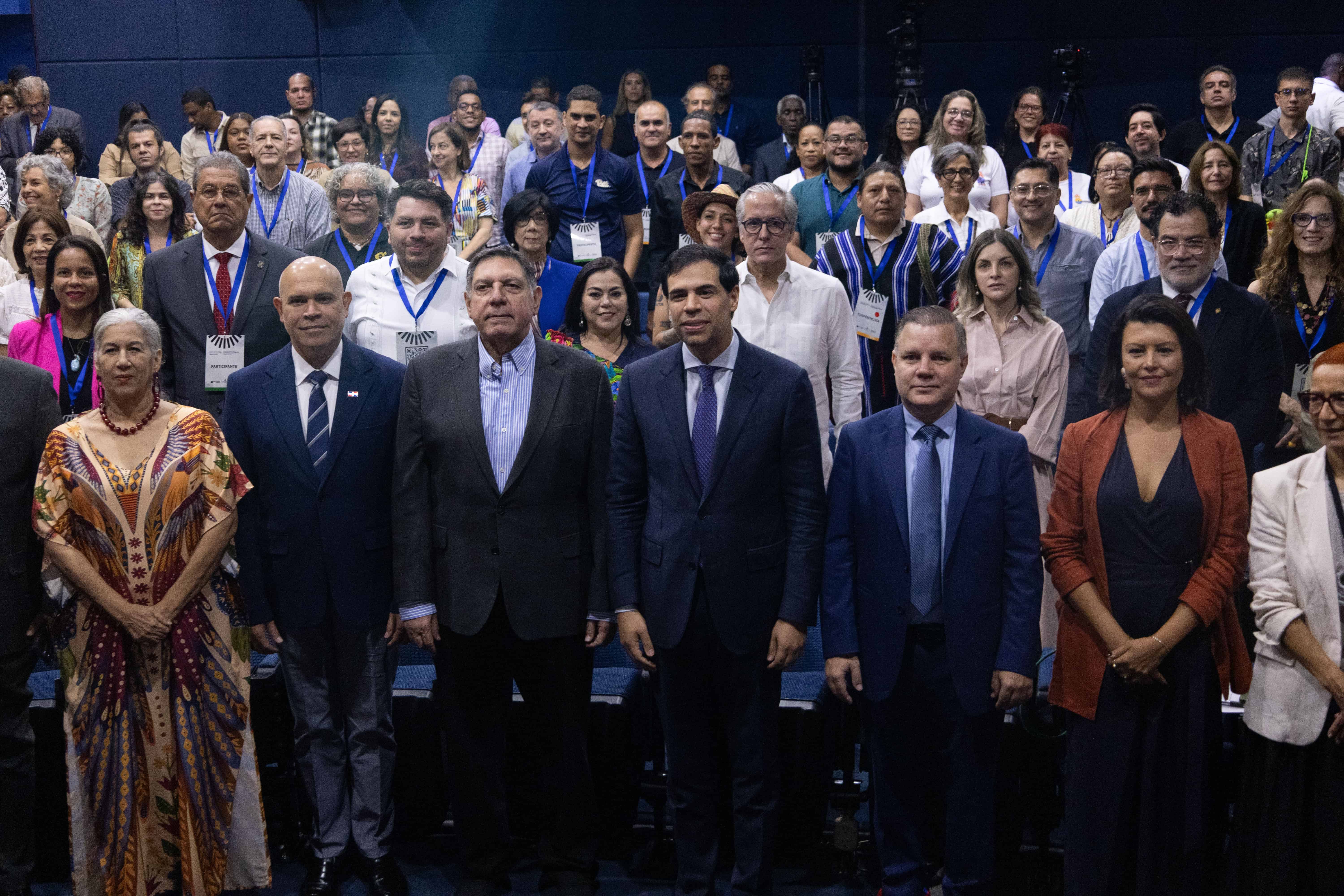
Santo Domingo is hosting the 12th Iberoamerican Museums Meeting (EIM), bringing together specialists and institutional representatives from 22 countries to discuss the future of museums across the region. The event runs from September 14 to 16 under the theme "Shared Heritage, Common Futures."
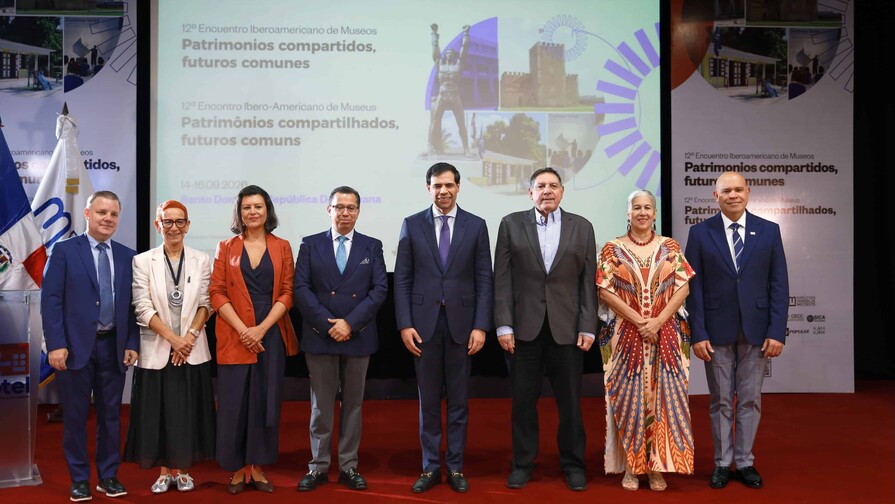
The gathering is organized by the Ibermuseums Program and the General Directorate of Museums of the Dominican Republic's Ministry of Culture. Discussions center on technology, artificial intelligence, citizen participation and the challenge of drawing new audiences to museums as spaces for knowledge, education, dialogue and the preservation of collective memory.
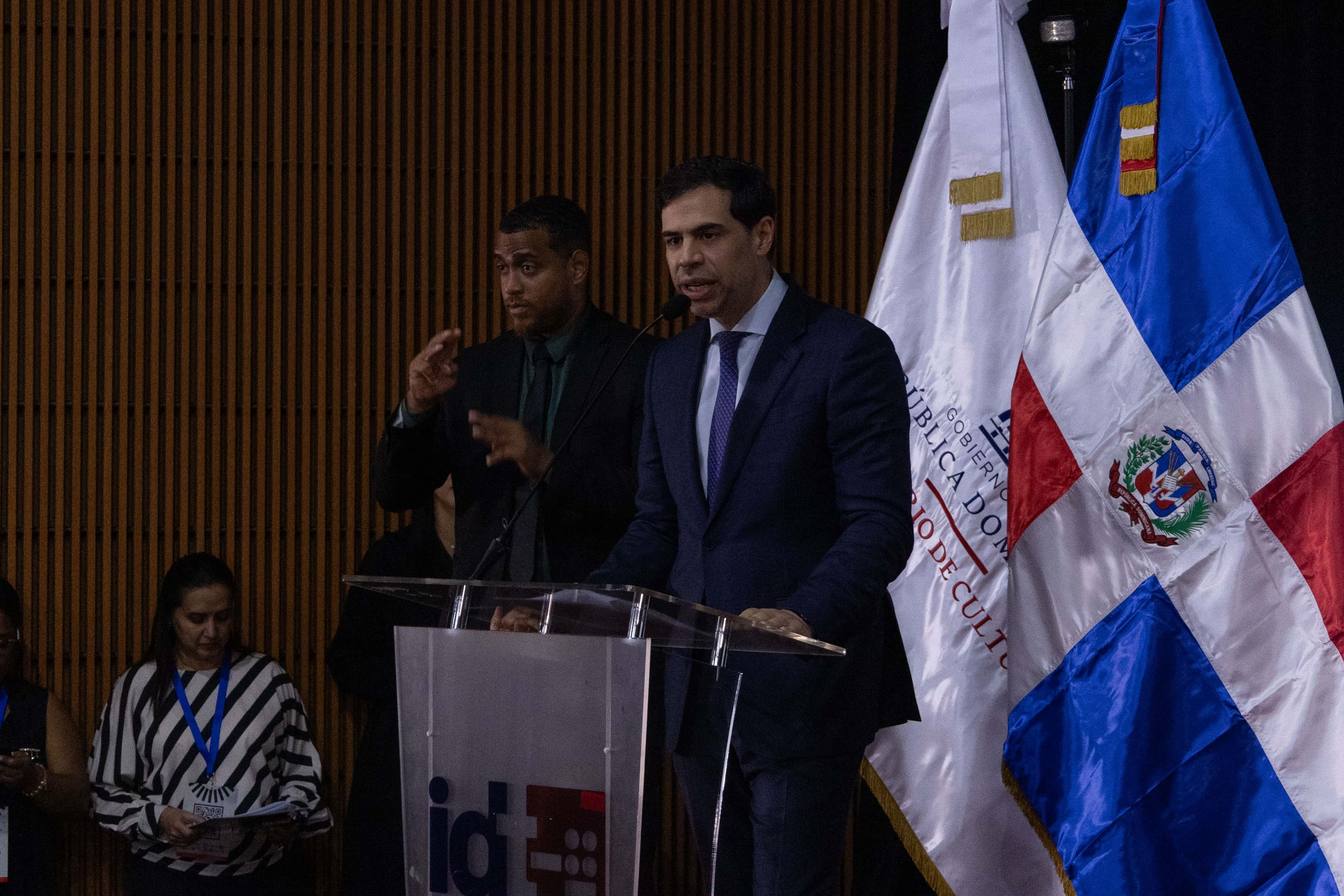
Dominican Culture Minister Roberto Ángel Salcedo said Santo Domingo hosting the international meeting carries special significance as the country pursues a policy of recovering and strengthening its museum spaces. He told Diario Libre that the Dominican Republic is having a moment, calling the gathering a top-tier event.
Salcedo highlighted the presence of representatives from museum general directorates across Ibero-America and said the discussion about the future of these institutions matters particularly for the country.
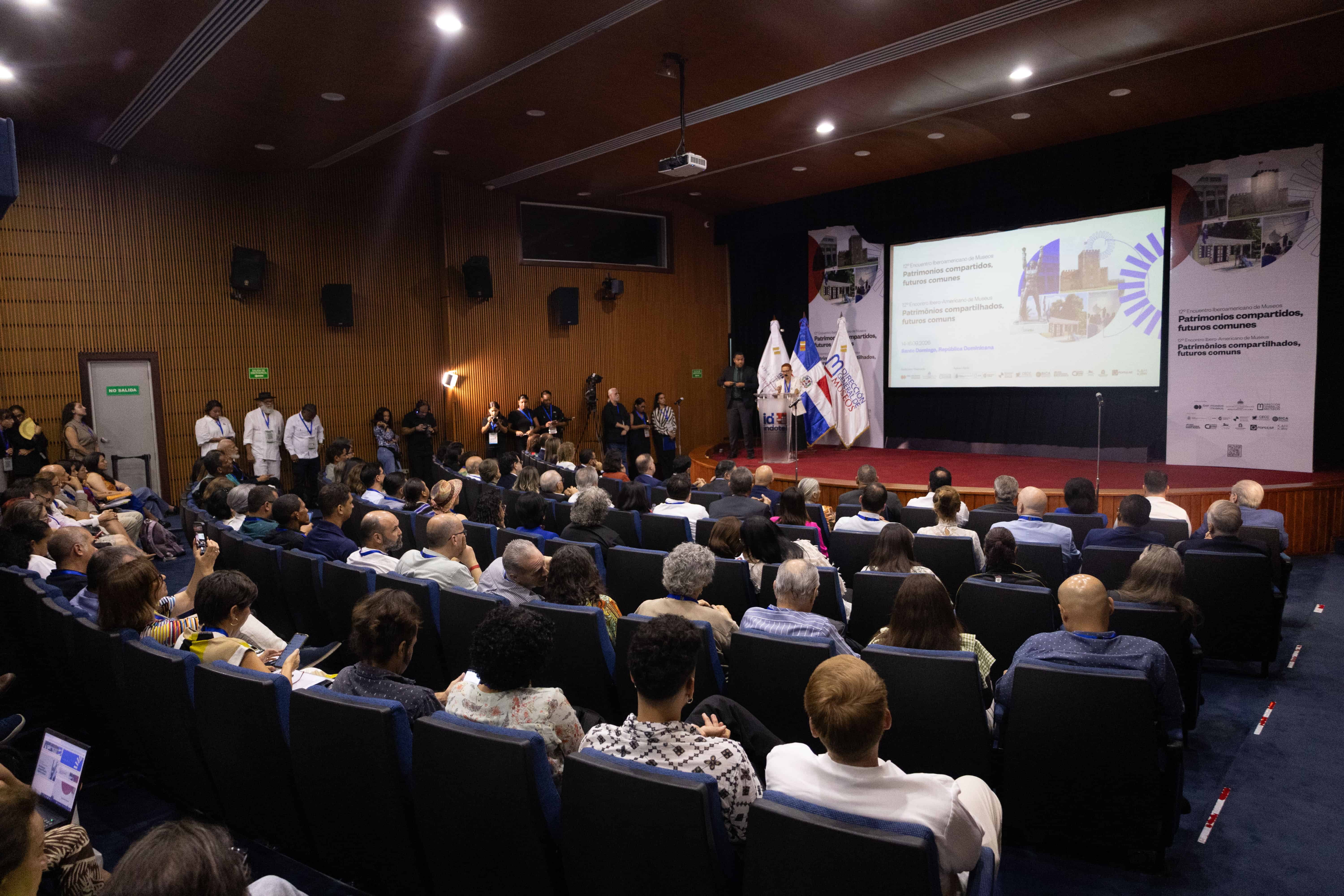
He said museums are important spaces that do more than preserve objects, since they can connect new generations with historical and heritage processes. According to Salcedo, the Dominican Republic currently has about 15 public museums and 19 private ones, and he said the museum circuit will keep expanding through new spaces and upgrades to existing ones.
Technology as a bridge to young people
One of the meeting's major themes is the impact of new technologies, particularly artificial intelligence, on the museum experience. Salcedo said these tools can help transform how new generations engage with heritage, making museum spaces livelier and more dynamic and helping visitors better understand what museums are trying to convey.
![[object HTMLTextAreaElement]](https://resources.diariolibre.com/images/2026/09/14/14092026-encuentro-iberoamericano-de-museos--joliver-brito202609140020-0c4b5b4b.jpg)
The minister said technological resources can help young people, especially so-called digital natives, find museums more approachable and less removed from the ways they normally engage with knowledge. He pointed to the potential of immersive museums as an expression of a more contemporary concept of these institutions, saying that this approach helps draw new generations toward spaces of great historical, heritage and cultural value.
Salcedo also linked this effort to reading, saying direct contact with the objects and testimonies museums preserve can strengthen young people's connection to heritage. He tied this to activities this week aimed at helping young people reach 480 hours of reading, saying he believes the link between reading, heritage and museum curation can help pass cultural values from one generation to the next.
"Artificial intelligence is a fact," says Ibermuseums coordinator
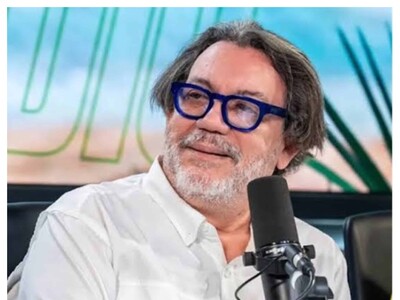
Mônica Barcelos, coordinator of the Ibermuseums Program's Technical Unit, said the meeting gives countries in the region a chance to share experiences, build alliances and examine problems common to museums regardless of their national context.
![[object HTMLTextAreaElement]](https://resources.diariolibre.com/images/2026/09/14/a34a6872-f7e66593.jpg)
She told Diario Libre that this kind of gathering is fundamental because it brings together different voices to discuss issues shared by all types of museums.
Barcelos said technological transformation is inevitable, but warned that the challenge lies in understanding its scope and setting criteria for how it is used. She said artificial intelligence is a fact and is already present among us, adding that museums, like other institutions and society at large, need to hold a collective reflection on its opportunities and risks and on the need for rules that prevent the technology from escaping the control of citizens, states and cultural institutions.
![[object HTMLTextAreaElement]](https://resources.diariolibre.com/images/2026/09/14/14092026-encuentro-iberoamericano-de-museos--joliver-brito202609140002-5f02356a.jpg)
Funding and staffing challenges
Barcelos said the challenges facing museums go beyond technology. Institutions also struggle with a lack of resources and sufficient technical staff, along with the need to strengthen training, build multidisciplinary teams and deepen ties with the communities and territories where they operate.
![[object HTMLTextAreaElement]](https://resources.diariolibre.com/images/2026/09/14/8b7b0505-a73d5b30.jpg)
Joan Ferrer, director of the General Directorate of Museums, said there are many challenges tied to training, to providing resources and to building multidisciplinary teams.
Barcelos said museums are closely tied to cultural rights, access to heritage and memory, and that they also serve an essential educational function. She called for greater public policy support so museums can expand their capacity to act and deepen their contribution to the development of societies.
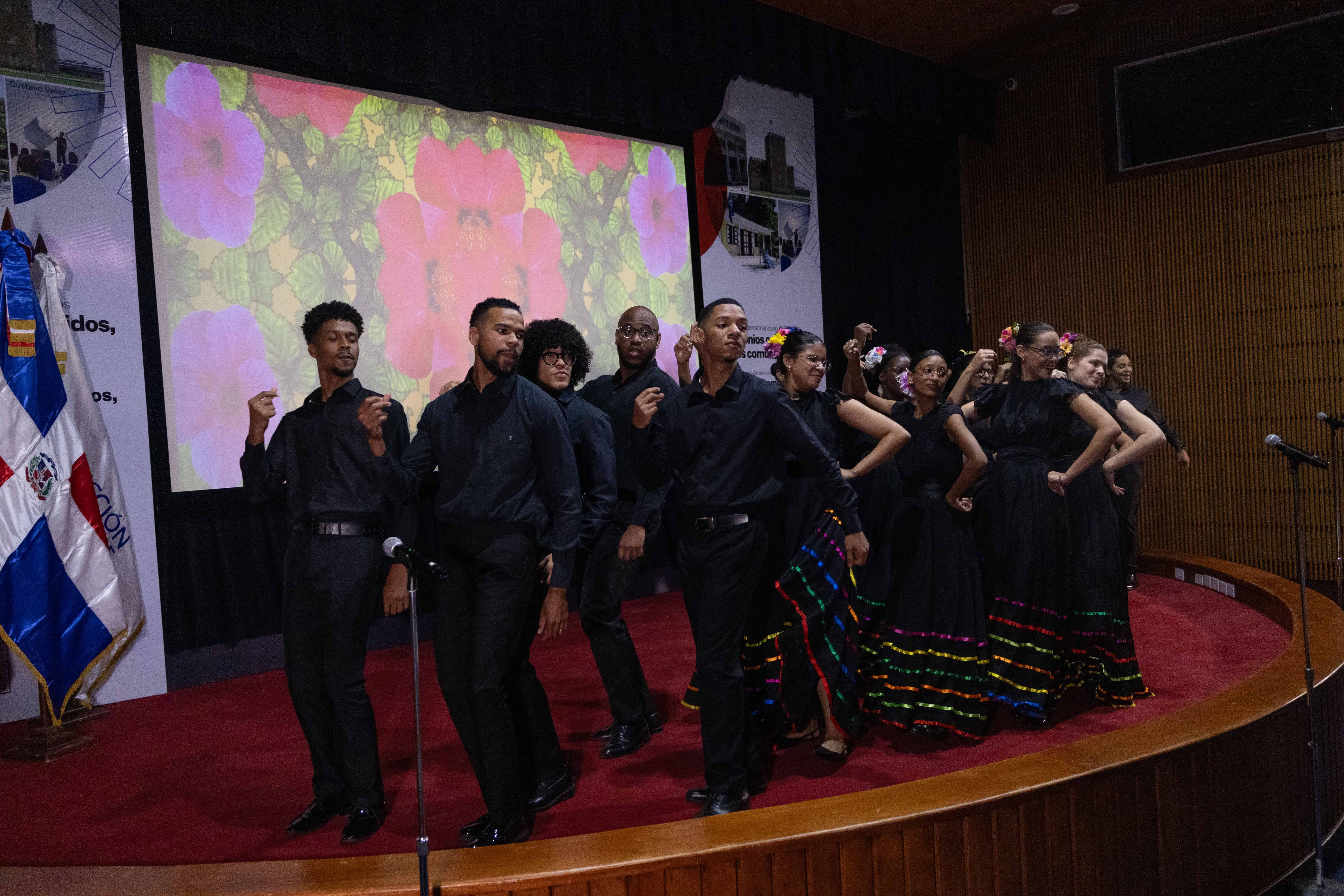
Ibermuseums is a cooperation program joining museum authorities from across Ibero-America to strengthen the sector through shared policy, training and exchange. The meeting continues through September 16 in Santo Domingo.