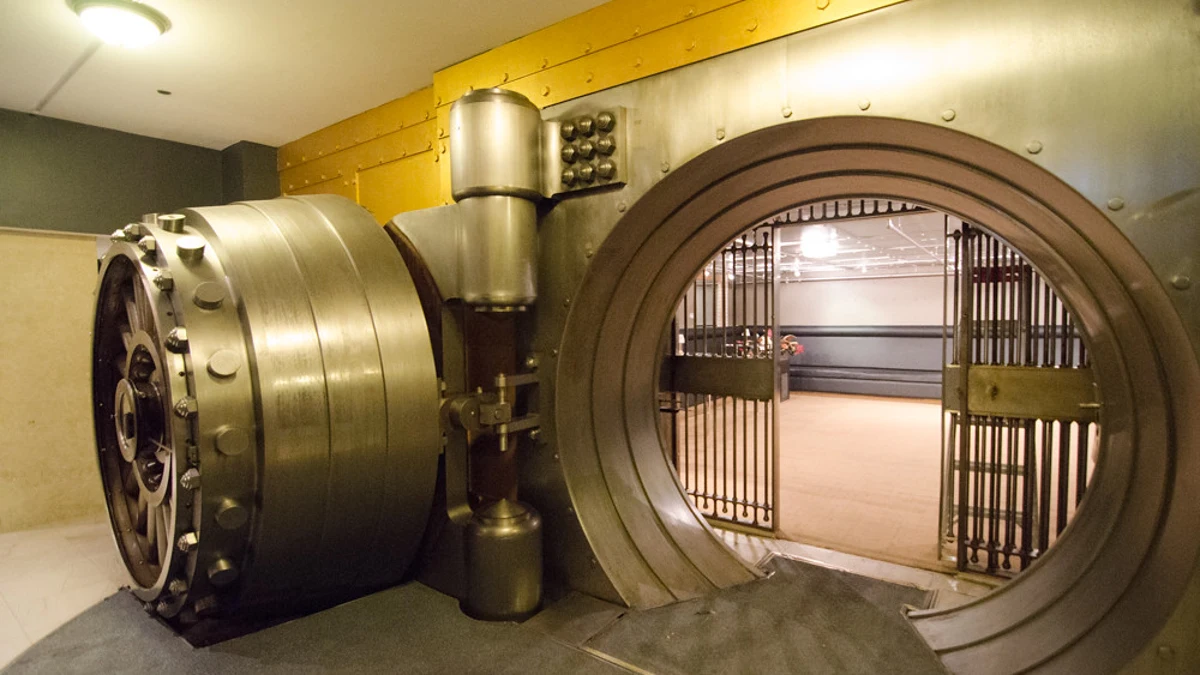
A hidden vault built behind a false wall in the mansion of former Paraguayan president Santiago Peña combined facial or iris recognition, fingerprint scanning, numeric codes and special keys, according to information released during the raid on his home. The combination of security layers kept Paraguayan prosecutors locked out of the room for more than a day.
The door was only finally opened after Peña himself told investigators where a key to the vault could be found.
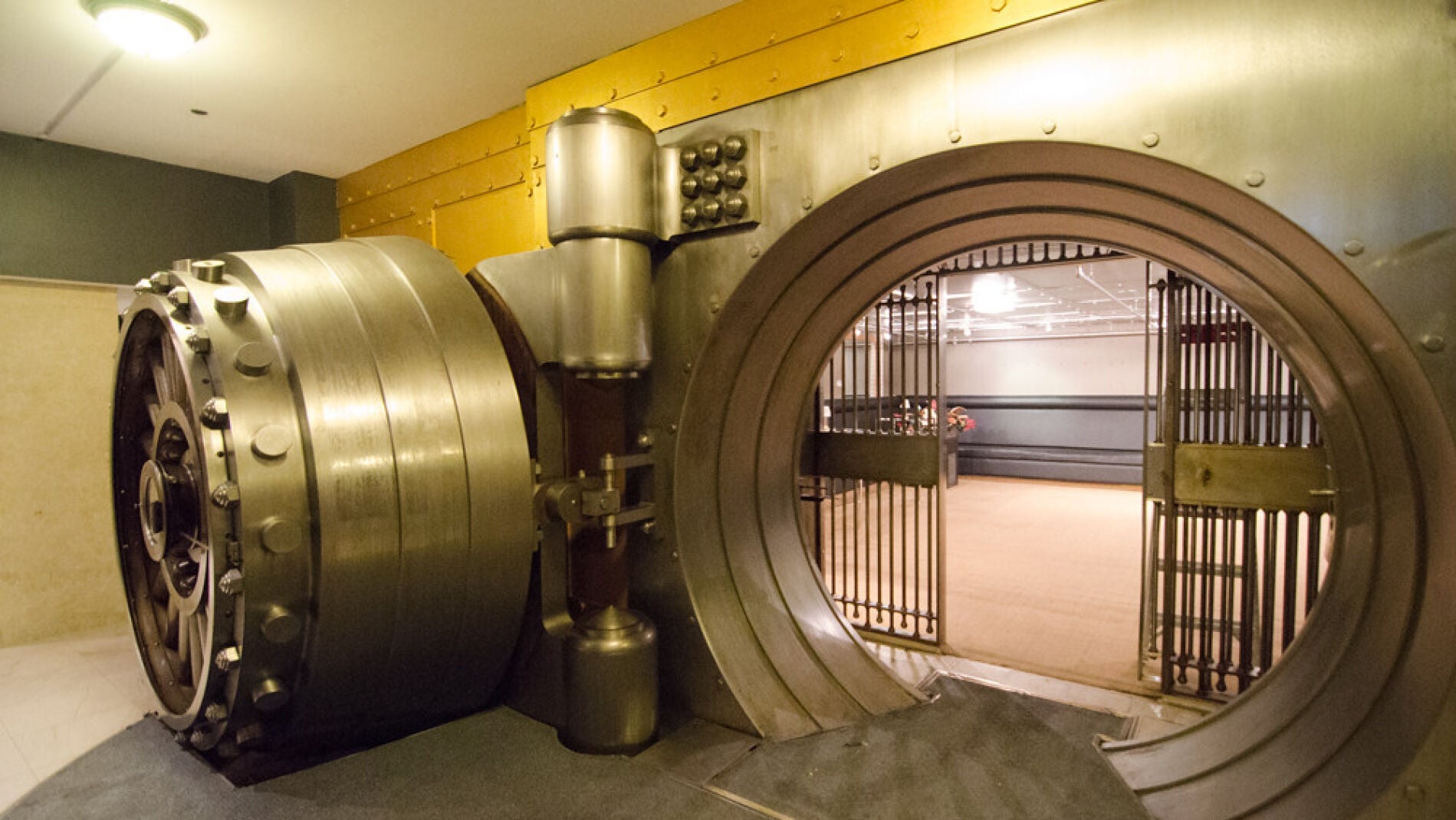
The vault's entrance was not even the first obstacle. Access to the strongroom was concealed behind a wall that looked like an ordinary part of the house, adding a hidden step before anyone could even reach the reinforced door and its identification systems.
Layering security instead of trusting one lock
The case offers a glimpse into one of the most advanced areas of physical security: armored vaults that combine mechanical, electronic and biometric barriers. The principle behind them is simple even if the engineering is not: protection should never rest on a single lock, but should force an intruder to clear several independent layers.
How the biometric checks worked
Biometrics turn the body itself into a password. A fingerprint reader compares the ridges and grooves of a finger against a stored record. A study published in IEEE Transactions on Pattern Analysis and Machine Intelligence calculated that the odds of two random fingerprints sharing 12 matching features out of 36 are roughly one in 16 million.
Iris recognition uses cameras with infrared lighting to capture the patterns in the colored part of the eye, which an algorithm converts into a digital template. Research led by John Daugman at the University of Cambridge compared 2.3 million iris images and estimated the probability of two different irises matching by chance on more than 70% of their code at roughly one in 7 billion. Even identical twins showed statistically independent iris patterns, the study found, as did the two eyes of the same person.
Codes, keys and multi-factor authentication
The numeric code adds a different kind of safeguard, something the user knows rather than something tied to their body. Security experts generally recognize three authentication factors: something a person knows, such as a PIN; something they possess, such as a key or card; and something they are, such as a fingerprint or an iris pattern. Combining several of these is known as multi-factor authentication, designed so that losing or defeating one credential is not enough to get through.
The special keys involved are another key piece of the puzzle. Some reports referred to "multilock" systems, a term that could point to Mul-T-Lock, an Israeli manufacturer founded in 1973 that specializes in high-security locks and cylinders. Its products include patented mechanisms and controls on key duplication, which can only be copied at authorized centers using a unique code card. It has not been confirmed that Mul-T-Lock supplied the installation at the Paraguayan property or that its components were used on the door.
What a "level 7" vault actually means
The vault has also been described as a "level 7" system, though that label needs context. In Europe, the EN 1143-1 standard rates the strength of safes and strongrooms on a scale running from grade 0 to grade XIII. Grade VII exists, but it refers to a structure's physical resistance under standardized intrusion tests, not to how many identification systems it uses. Under the standard, a door at that grade must withstand 600 resistance units against an attack aimed at full access, roughly equivalent to one minute of work with a simple tool.
A vault's overall strength never depends on the door alone. The walls, ceiling, floor, anchoring, ventilation, electrical wiring and detection systems all have to be designed as a single unit, since an extremely strong door is of little use if another part of the structure is weak.
A sophisticated system undone by a key
In the end, the Paraguayan vault showed that even a highly sophisticated identification system can still hinge on something as traditional as a key. The broader lesson, though, is that the highest level of security is never about one unbreakable lock, but about combining architecture, materials, electronics and multiple ways of verifying who is standing on the other side of the door.