

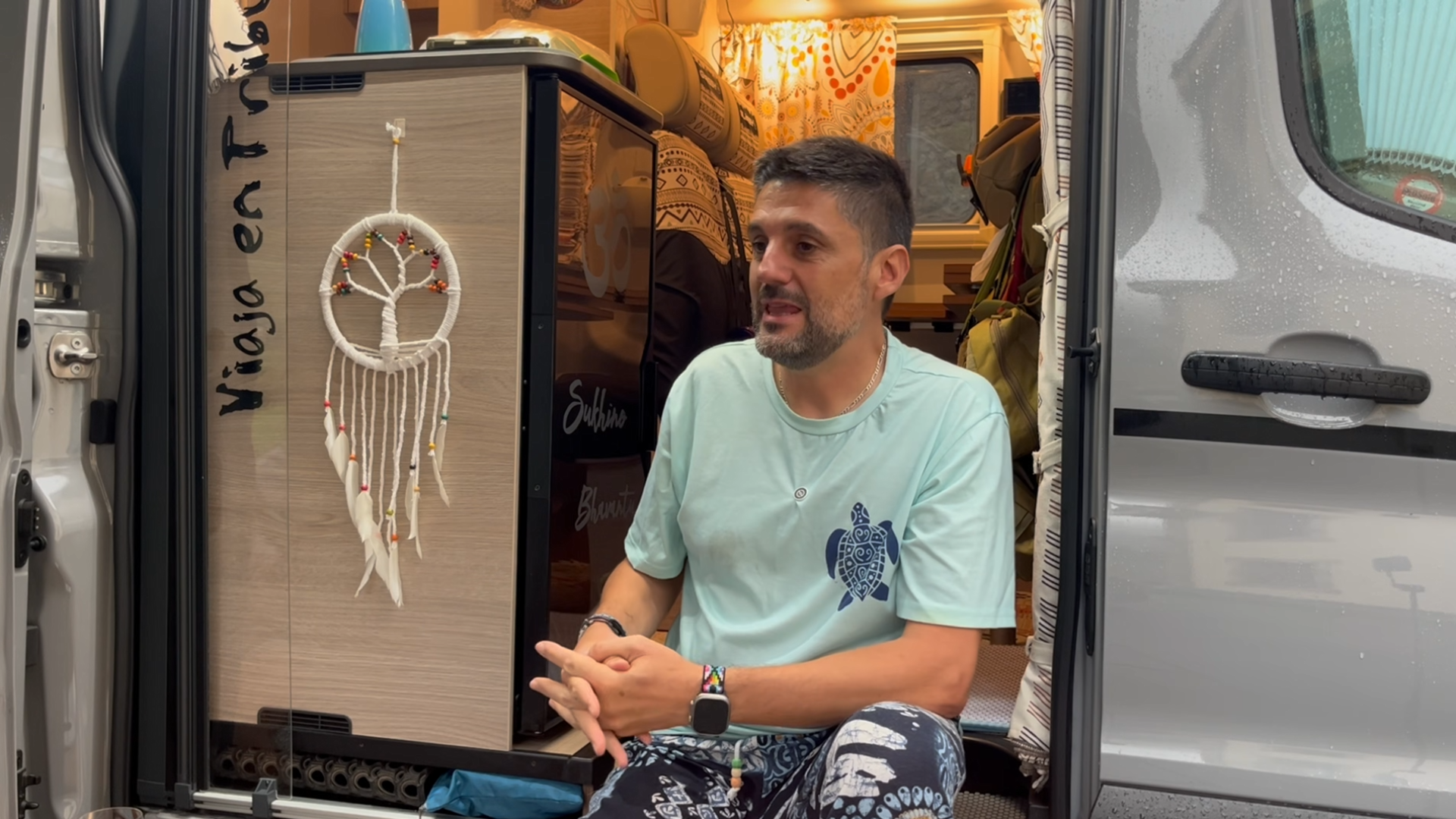
Jesús, the founder of the Viaja en tribu project, has spent long stretches living full time in a camper van he calls India, and says the arrangement costs him a fraction of what he paid to run a traditional home.
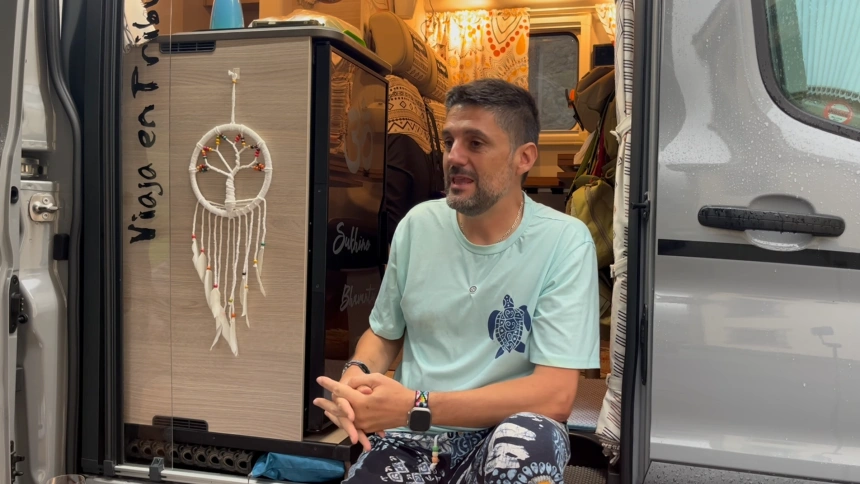
His monthly budget runs between 300 and 500 euros, he said, covering four continuous months he has spent living on the road. He said his only real fixed expenses are food and a bit of diesel, and little else.
Jesús sold his flat and said the comparison since then has been stark: housing costs at least double what he now spends, once property tax, community fees and water and electricity bills are added in.
The camper lifestyle has been gaining followers among people looking to cut fixed costs and improve their emotional wellbeing, part of a wider shift toward nomadic living in adapted vehicles.
Monthly Costs and Savings on the Road
Jesús said the low spending comes from efficient planning and responsible consumption. With limited storage space, he buys food day by day and cooks in a healthier way, avoiding ultra-processed products, he said.
He warned, however, that the camper market is in the middle of a price bubble. A van similar to his first model, a Fiat Ducato, has gone from around 50,000 euros to roughly 80,000 euros today, he said.
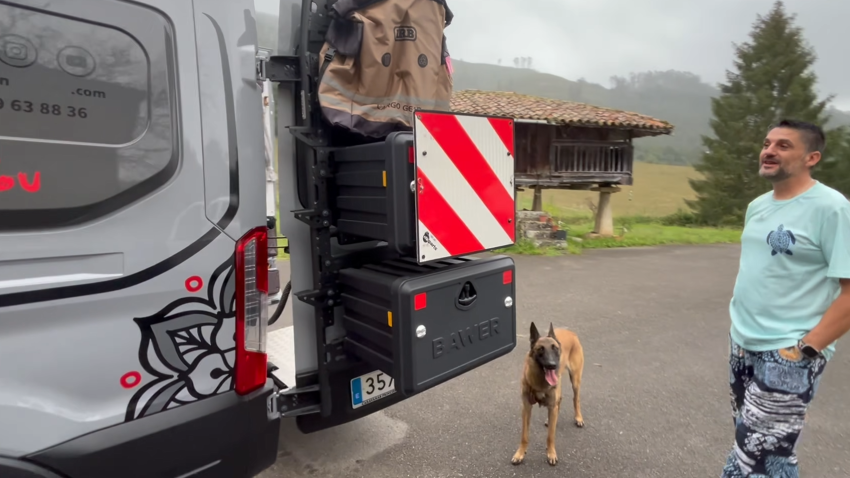
A Year and a Half of Custom Modifications
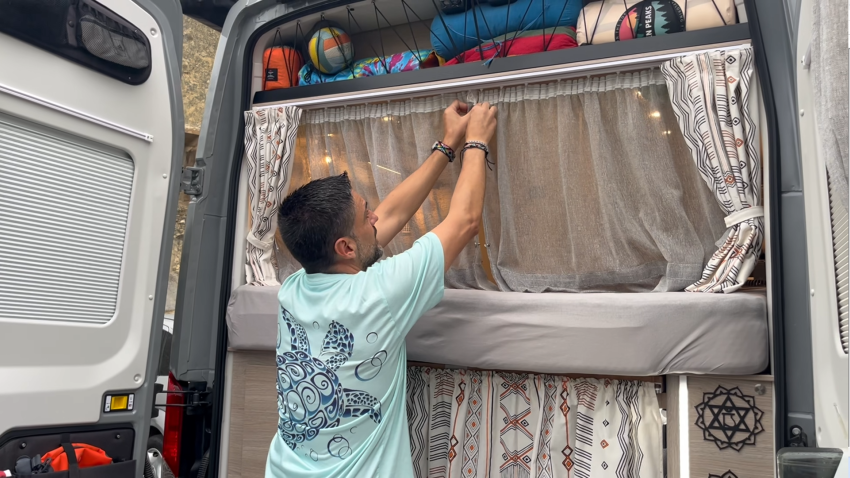
Jesús spent a year and a half converting his 6-metre van by hand. The upgrades include truck storage chests fitted for around 100 euros and a roof tent costing 1,500 euros that provides thermal insulation.
He also added a fan-style 4x4 awning designed to shield his dog, Zeus, from sun and rain. Inside, the van has a dry toilet, portable solar panels and a Starlink internet connection to maximise self-sufficiency on the road.
The interior also has yellow smart lighting designed to keep insects away, along with reinforced insulation for sleeping through the night. Jesús said he and Zeus are well aware of how little they actually need.
Emotional Wellbeing and Reconnecting with Nature
Beyond the financial side, Jesús said this way of living has worked as a genuine therapy against the anxiety and depression he struggled with in the past.
He traced his turning point to Cabo de Gata, a nature reserve on Spain's southeastern coast, where watching the sunset at La Fabriquilla brought him a deep improvement in his mood.
That experience led him to start helping other people take up the lifestyle. He said between 80 and 90 percent of the people he works with had never travelled in a camper van before.
Jesús said the main aim of his project is to act as a bridge between the pace of everyday life and a more conscious routine, helping people listen to their own instincts, find calm and reconnect with themselves in nature.


