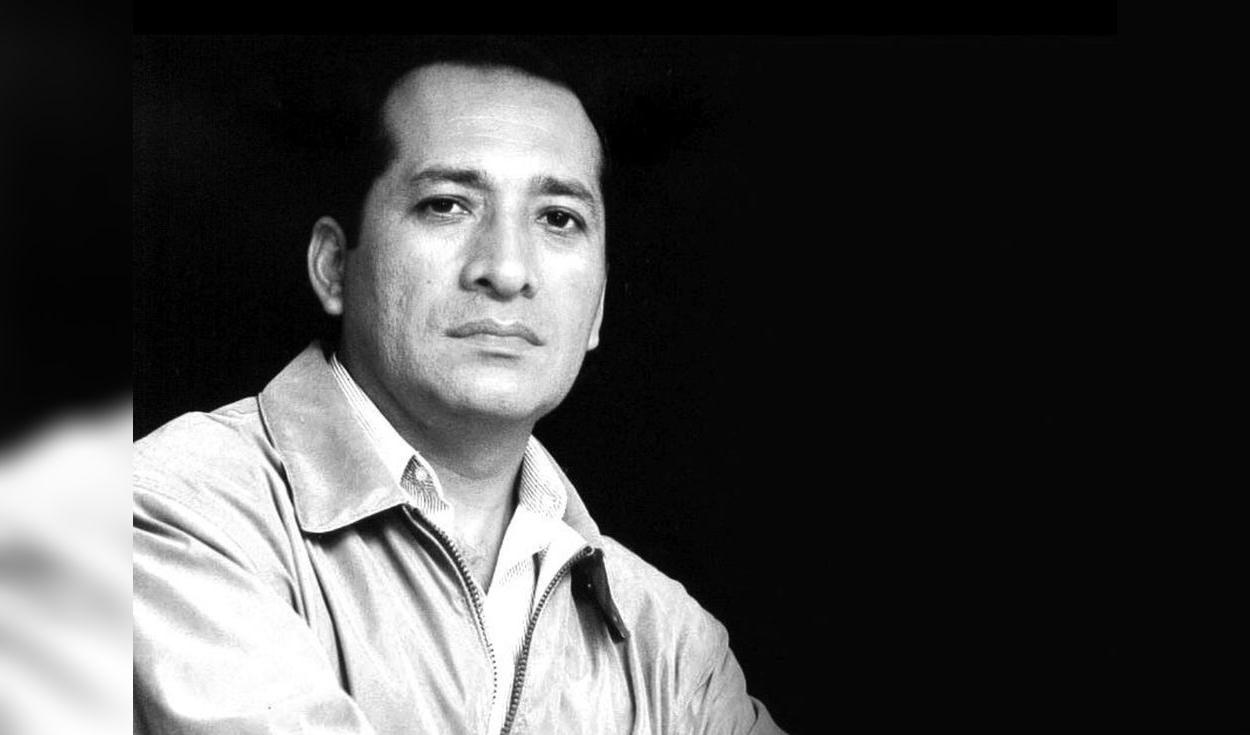
Peruvian writer Jorge Ninapayta de la Rosa's 2005 novel "La bella y la fiesta," a satire set during an authoritarian government in 1990s Peru, has been reissued in a new edition from the independent publishing house Binocular, priced at 59 soles.
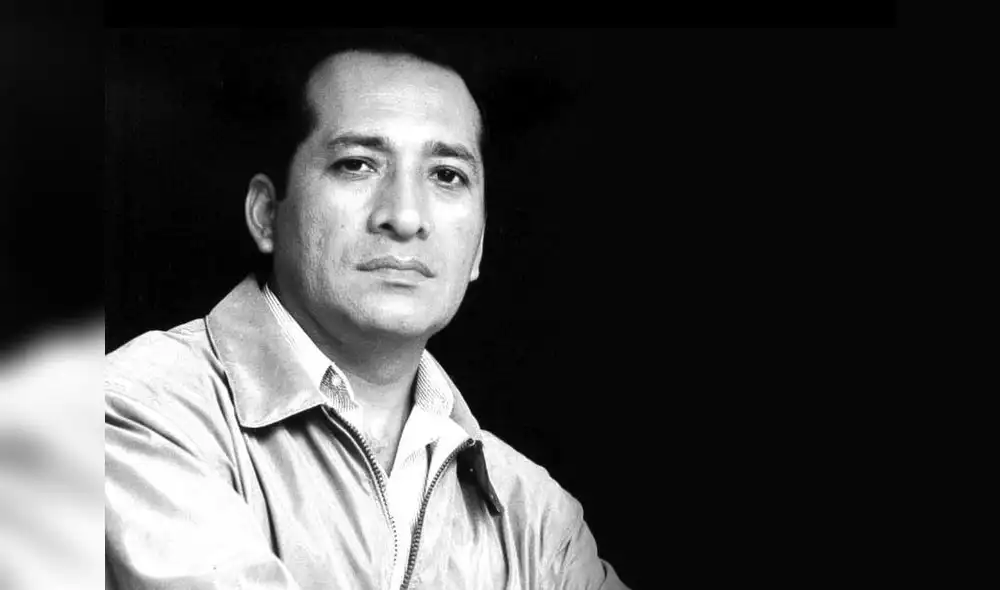
Ninapayta, who lived from 1957 to 2014, built his reputation in the 1980s and 1990s through major literary prizes. He won the Cuento de las Mil Palabras competition run by the Peruvian magazine Caretas in 1994 with the story "García Márquez y yo," and in 1997 he took the Juan Rulfo short story prize, awarded by Radio France Internationale, for "Muñequita linda." The Juan Rulfo contest is one of the better known short fiction awards in the Spanish-speaking world, and the win raised expectations for Ninapayta's long-awaited first book.
That debut came in 2000 with "Muñequita linda," a collection of ten stories that gathered his most celebrated work alongside new material. Critics at the time pointed to a distinctive comic register running through the stories, one built not through punchlines or description but through Ninapayta's handling of language itself, reviving outdated words and phrases by placing them in unexpected new contexts.
A publishing history marked by gaps
Ninapayta died in 2014 of cancer. Besides "Muñequita linda," he had published the novel "La bella y la fiesta" in 2005. Both titles first appeared through Jaime Campodónico Editor, a once-significant publishing project that has been inactive for years. In 2015, the publisher Peisa released a posthumous story collection, "El arte verdadero y otros cuentos." The new Binocular edition of "La bella y la fiesta" is the latest attempt to keep his work in print after years of scattered, inconsistent publication.
Critic Gabriel Ruiz Ortega argued that by 2010 Ninapayta should already have had a permanent place in the catalogue of one of Peru's better-resourced publishing houses, which would have guaranteed his books a steady presence on shelves. Because that never happened, Ruiz Ortega wrote, Ninapayta is often treated as a newly discovered author, when he is in fact one of the significant voices in contemporary Peruvian fiction.
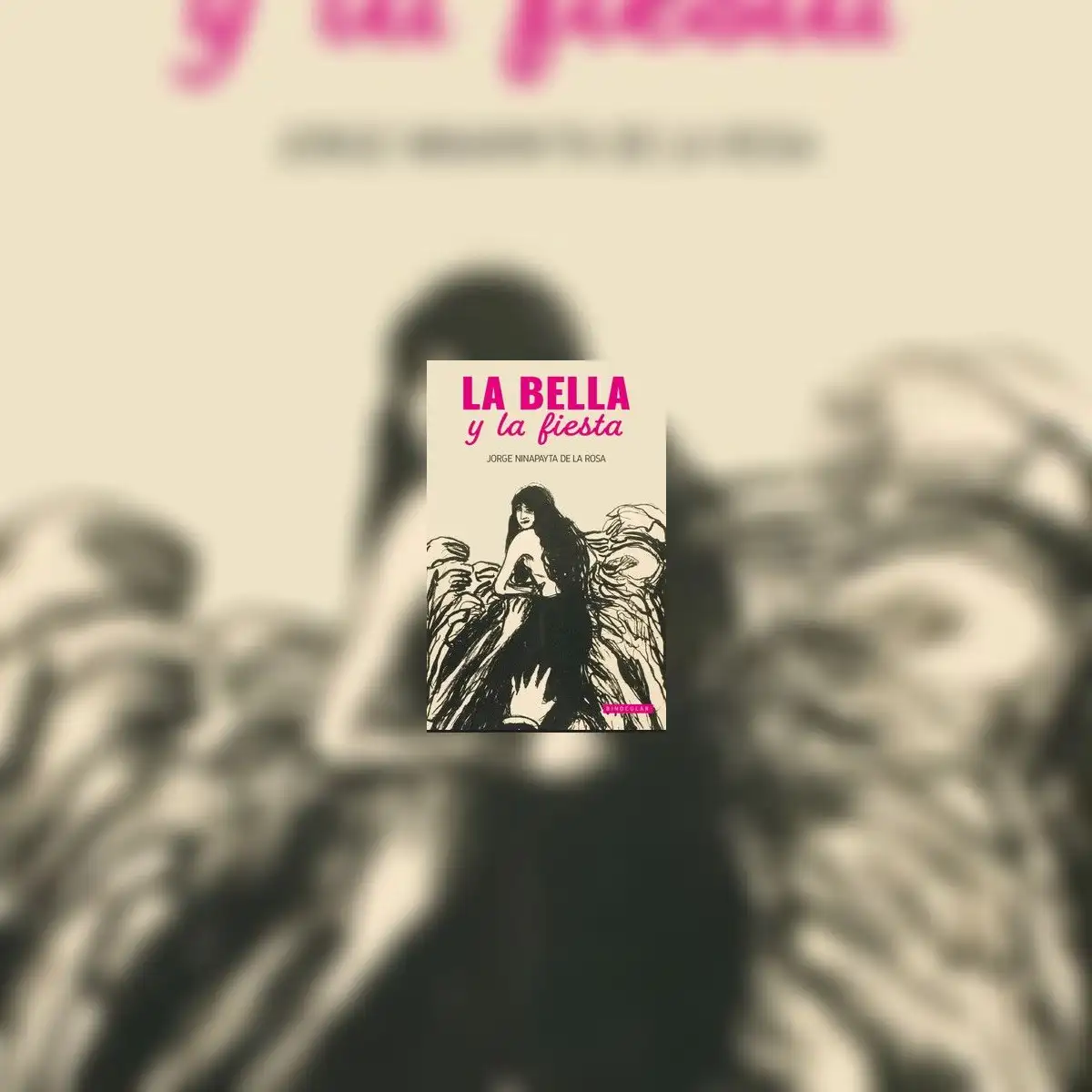
Inside "La bella y la fiesta"
The novel takes readers into 1990s Peru, centered on a president seeking re-election, a sinister advisor, and a cast of seductive female characters whose presence threatens to tip the situation into open conflict. Journalists who flatter the regime in exchange for favors round out the picture.
Read only for its plot, the novel could pass as a straightforward story about dictatorship. What sets it apart, according to Ruiz Ortega, is the humor and irony running through the narration, comic even in moments that call for none. He singled out the president's speeches during the novel's most tense passages, where irony takes over the atmosphere completely despite the surrounding pressure.
Berta Corrales and the plot around the celebration
Women are central to Ninapayta's fictional world, and in this novel the key figure is Berta Corrales, known as "la Batán," the star performer at a nightclub called La Rana Loca. The president and his advisor plan to announce the re-election bid with a large celebration of Peruvian identity, for which they recruit numerous media figures, Berta among them. She is left torn over whether to attend. Complicating matters further is the sudden reappearance of a former lover who has just been released from prison.
Ruiz Ortega described the novel as one that can be read from several angles, but said it works above all as an entertaining account of a bleak period in Peru's history, one that he suggested appears to be repeating itself.
Test yourself
Which publisher released the new edition of "La bella y la fiesta"?
What is the name of the nightclub where Berta Corrales performs in the novel?
What prize did Jorge Ninapayta win in 1997?
Where it happened
Lima, Peru