

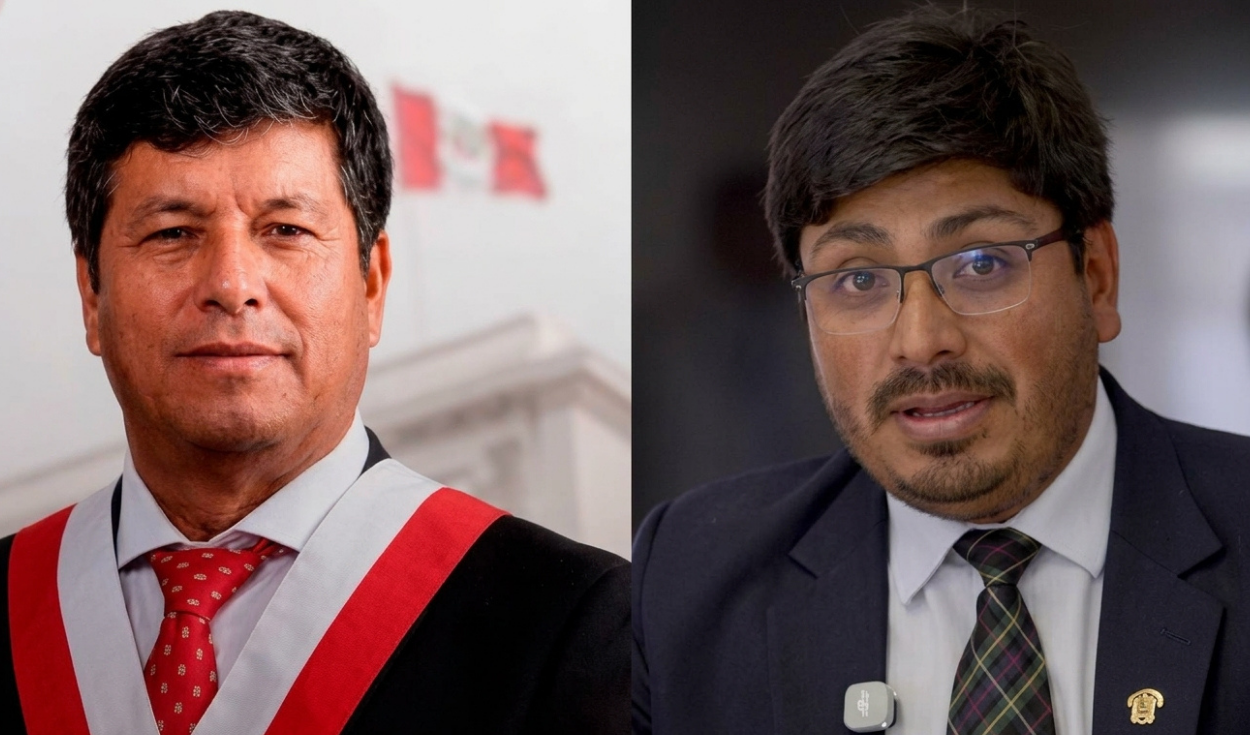
Peru's Congressional Ethics Committee has unanimously approved a 15-day investigation into lawmaker Julián Pérez Mallqui over alleged domestic violence against his former partner.
The decision opens a formal disciplinary procedure against the Juntos por el Perú deputy to evaluate whether he committed an infraction of the parliamentary Code of Ethics.
The qualification report received full backing from panel members during the committee session. The document was supported by committee president Henry Albañil alongside deputies Jessica Pérez, Harvey Colchado, Edwin Espinoza, Javier Cipriani, and Mery Infantes.
Congressional investigators will spend the 15 working days gathering evidentiary materials and taking official testimony from the alleged victim.
According to the qualification report, the initial complaint against Pérez Mallqui was presented by deputy Christian Aranda and satisfied all formal procedural requirements.
The Ethics Committee will formally notify Pérez Mallqui of the proceedings so he can submit his official defence. Panel members will subsequently review technical reports, witness statements, and defence filings to decide whether disciplinary sanctions should be imposed on the Juntos por el Perú lawmaker.
The Ethics Committee operates as a standing legislative panel within Peru's unicameral Congress, tasked with enforcing code-of-conduct standards for elected representatives. Juntos por el Perú is a left-wing political coalition in Peru whose members are bound by internal parliamentary regulations and ethics protocols.
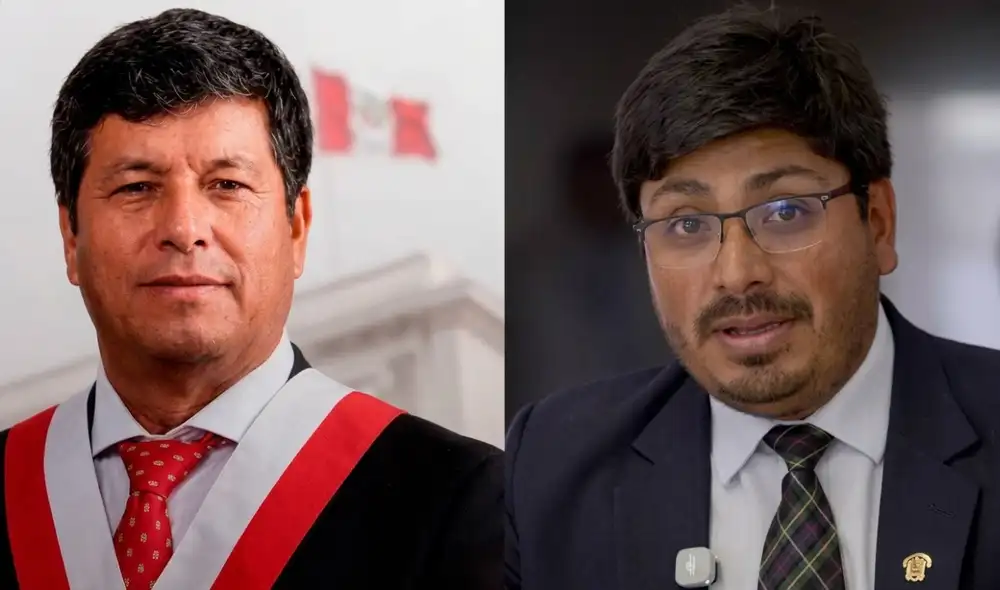
Preliminary inquiry into Christian Aranda
During the same session, the Ethics Committee announced that it will also launch a preliminary inquiry into deputy Christian Aranda of the Renovación Popular party.
Henry Albañil, the president of the Ethics Committee and representative of the Partido Cívico Obras, confirmed that the preliminary inquiry into the case involving Aranda had already begun.
The inquiry stems from a separate complaint lodged by congresswoman Luz Soto, also of Juntos por el Perú, who accused Aranda of improperly disclosing sensitive medical data belonging to a private female citizen.
According to the complaint submitted by Soto, the issue dates back to 24 August, when Aranda dispatched an official letter to the Hospital Regional Guillermo Díaz de la Vega in Abancay to request information regarding a patient's medical condition.
The document filed by Soto alleges that Aranda subsequently published confidential information from the letter on his social media accounts, making it possible for the public to identify the patient.
Although the original social media post was later deleted and replaced with a modified version, Soto maintained that editing the post did not resolve the fundamental violation. She argued that while the initial content remained online, it could be viewed, captured, and redistributed by third parties.
Allegations of ethical breaches and privacy violations
The complaint against Aranda relies on his own public statements. Between 26 and 27 August, the lawmaker publicly acknowledged including the patient's name in the letter sent to the hospital, explaining that he considered it necessary to identify her within the healthcare facility.
Soto asked the Ethics Committee to determine whether the Renovación Popular deputy violated the principle of discretion mandated by the Rules of Procedure of the Congress of Peru, as well as statutory duties requiring respect, responsibility, and integrity from all parliamentarians.
The filing further requests that the panel investigate whether Aranda conducted administrative actions outside his legitimate powers as a legislator. It also asks the committee to report the case to the National Authority for Personal Data Protection.
The National Authority for Personal Data Protection is the executive agency responsible for safeguarding citizen privacy rights and enforcing data protection regulations across Peru. The Hospital Regional Guillermo Díaz de la Vega serves as the primary public healthcare institute in Abancay, the regional capital of Apurímac in the southern Peruvian Andes.
To prevent the patient from suffering further public exposure, Soto requested that the committee declare the investigative file confidential while proceedings are carried out.


