

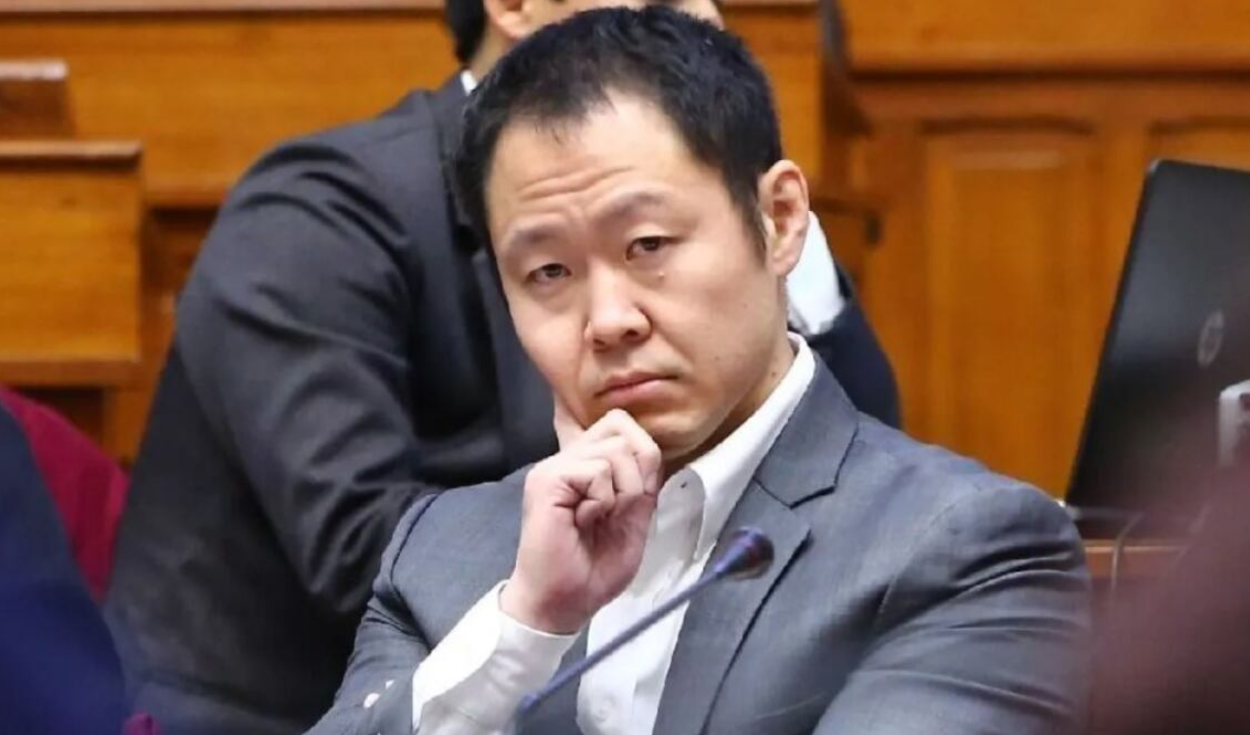
Former Peruvian congressman Kenji Fujimori will have to perform social work or complete 10 hours of community service following a ruling by the Permanent Criminal Chamber of Peru's Supreme Court in Lima. The court specified the conditions of his suspended prison sentence for influence peddling in the long-running Mamanivideos case.
The judicial decision responded to an appeal filed by Fujimori's legal defense on April 18, 2026. Defense attorneys requested specific guidelines after a report from the Subdirectorate of Open Environment of the National Penitentiary Institute warned on April 1, 2026, that the convict could not begin community work because the exact number of required service sessions had not been set.
According to reporting by Peruvian newspaper El Comercio, Fujimori's legal representation stated in court filings that the lack of clear guidelines prevented the effective start of his compliance with conduct rules in an open environment.
Sentence options and prison authority oversight
The Supreme Court panel established two distinct alternatives for Fujimori to fulfill his court-mandated obligations. He may choose to carry out a social work project and present a detailed report to the investigative judge, or complete 10 hours of community or public service.
If Fujimori selects the community service option, he must establish a work schedule before the supreme court tribunal. The court will then notify the penitentiary institute to assign him to a public entity or official service where he can complete the required hours.
The community service would take place under the supervision of the Office of Open Environment of the National Penitentiary Institute in Lima. Upon completion of the hours, the penitentiary authority will submit a formal confirmation report to the judge.
The National Penitentiary Institute is the state agency responsible for managing Peru's correctional system and overseeing individuals serving non-custodial or community-based sentences.
Origins of the Mamanivideos scandal
The criminal case against Fujimori stems from his intervention to secure congressional votes to avoid the first impeachment process against former President Pedro Pablo Kuczynski in December 2017.
In March 2018, the Fuerza Popular parliamentary group released secret video recordings made by the late former lawmaker Moises Mamani. The videos showed negotiations to obtain a presidential pardon for former President Alberto Fujimori in exchange for preventing Kuczynski's impeachment.
Alberto Fujimori received his presidential pardon on December 24, 2017. The release of the recordings led to the congressional suspension of Kenji Fujimori along with former lawmakers Bienvenido Ramirez and Guillermo Bocangel.
Legal history and background
In 2022, the Permanent Criminal Chamber of the Supreme Court handed Kenji Fujimori a four-year and six-month suspended prison sentence for influence peddling. The Supreme Court ratified his conviction in 2024 while confirming his suspended prison status.
Kenji Fujimori is the youngest son of former President Alberto Fujimori, who governed Peru from 1990 to 2000. Kenji Fujimori served in the Congress of the Republic of Peru from 2011 until his suspension in 2018, and his sister Keiko Fujimori leads the Fuerza Popular political party.
Pedro Pablo Kuczynski served as President of Peru from July 2016 until his resignation in March 2018, which occurred shortly after the release of the Mamanivideos footage.


