

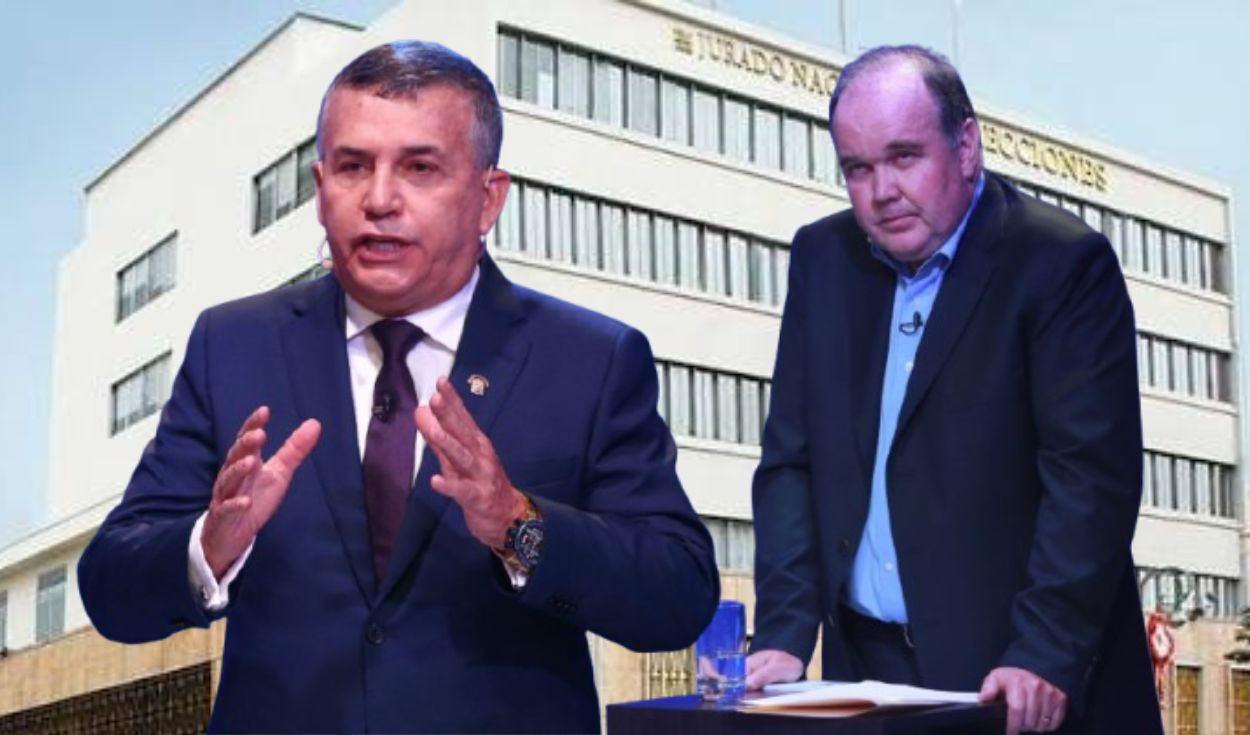
Leading mayoral candidates Rafael López Aliaga and Daniel Urresti failed to attend the official signing of Peru's Electoral Ethical Pact ahead of the Lima municipal elections scheduled for October 4.
The absent politicians, who represent Renovación Popular and Podemos Perú respectively, are among the principal contenders seeking to lead the capital city of Lima. Their failure to appear at the ceremony drew immediate condemnation from rival candidates who gathered to endorse the agreement.
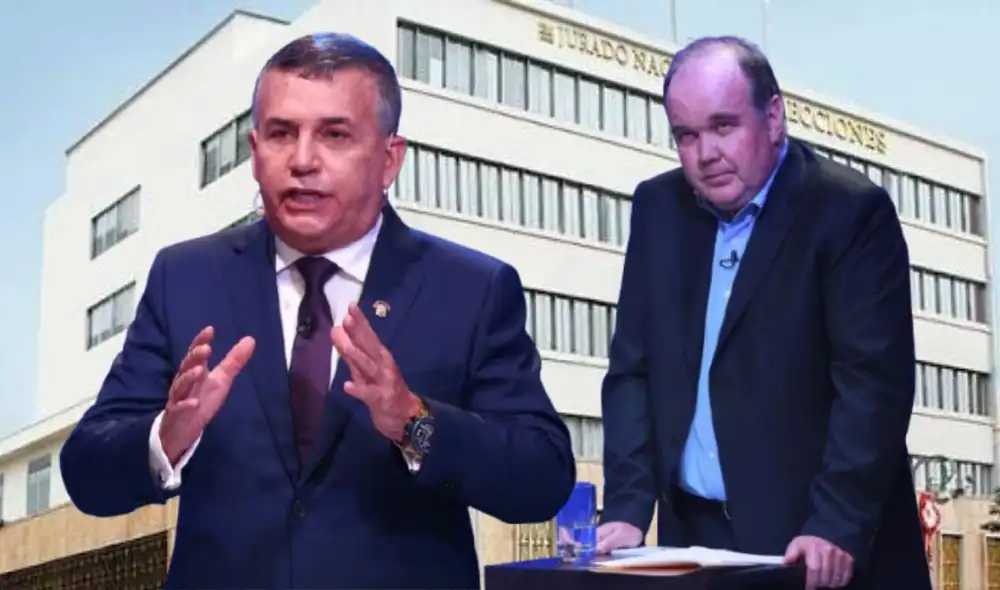
The Electoral Ethical Pact is a political commitment promoted by the Jurado Nacional de Elecciones, Peru's highest electoral authority. The agreement is designed to foster a campaign free from violence and disinformation while ensuring that all participating political parties respect official election results.
This ceremony is not the first time López Aliaga has skipped an electoral ethics agreement. In December 2025, his conservative party Renovación Popular also failed to sign the pact for the 2026 general elections, in which the former Lima mayor competed for the presidency. During that previous event, the left-wing party Perú Libre was also absent.
Criticism from rival mayoral contenders
Candidates who attended the event expressed sharp disappointment over the missing contenders. Susel Paredes, the mayoral candidate for the Ahora Nación party, said that the absence of López Aliaga revealed the true character of his campaign. She described his failure to attend as regrettable, emphasizing that the pact exists to establish mutual respect among candidates.
Paredes argued that any candidate who breaks the rules at the very beginning of a campaign will not abide by electoral regulations as the process unfolds. She noted that automated social media accounts associated with López Aliaga constantly attack her online, adding that someone seeking to become mayor of Lima must not disregard basic guidelines.
Furthermore, Paredes accused the electoral authority of being overly passive regarding López Aliaga's candidacy. She pointed out that the Peruvian Constitution explicitly prohibits the re-election of mayors and regional governors, arguing that the election tribunal has been complacent in allowing his bid to move forward. She added that she would have no issues debating the former mayor, describing him as intellectually simple.
Carlos Bruce, representing the Somos Perú party, also insisted that López Aliaga should not be permitted to take part in the contest. Bruce stated that the constitutional ban on mayoral re-election is clear and expressed hope that the election authority will enforce the constitution by barring the former mayor from running.
Questions over constitutional compliance
Francis Allison, running for mayor under the Avanza País banner, rejected the notion that scheduling conflicts could justify missing the event. He noted that political parties are permitted to send designated representatives to sign the pact on a candidate's behalf, making personal absence unnecessary.
Echoing concerns raised by Bruce, Allison questioned the validity of López Aliaga's candidacy under constitutional law. He described the former mayor's attempt to run again as a circumvention of the constitution, though he noted that voters will ultimately decide the matter at the ballot box.
Edgardo del Pomar of the Partido Popular Cristiano stated that candidates who failed to show up lacked responsibility toward the electorate and their political competitors. He said that attending the ceremony demonstrates a politician's willingness to respect democratic values, constitutional principles, and electoral authorities. Del Pomar suggested that those who chose to stay away likely have something troubling on their conscience.
Electoral tribunal extends exclusion deadlines
The controversy surrounding candidate eligibility comes as the plenary of the Jurado Nacional de Elecciones agreed to extend the deadline for local electoral boards to issue decisions on candidate challenges and exclusions.
The election authority extended the resolution window for Special Electoral Juries until August 23, 2026. Officials explained that a heavy case workload had prevented several local boards from resolving pending challenges for the 2026 regional and municipal elections by the original deadline of August 20.


