

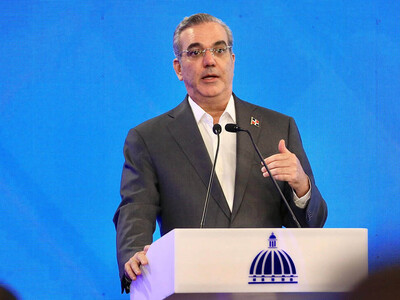
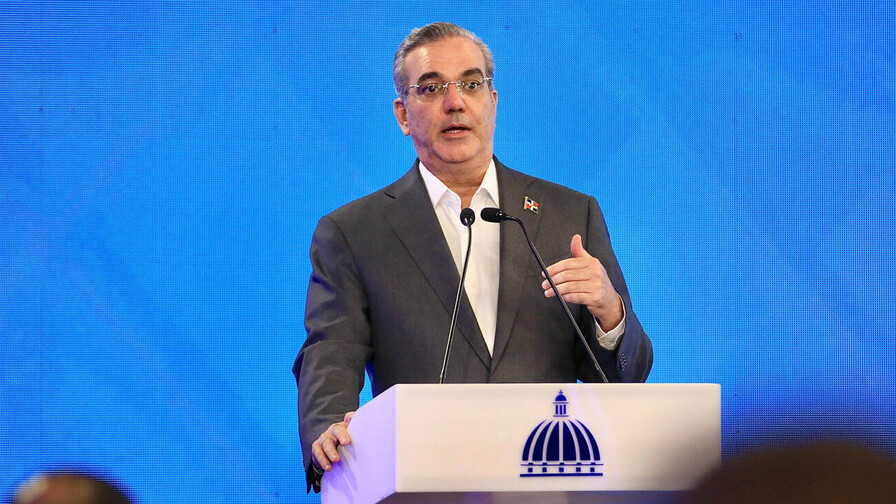
Dominican Republic President Luis Abinader called on Sunday to honor the heroes of the Restoration on the 163rd anniversary of national sovereignty.
In a message published on his social media accounts, Abinader highlighted the bravery of the men and women who participated in the restoration movement. He emphasized that their struggle for national sovereignty represents a commitment that must be assumed by every generation.
Abinader stated that the nation was honoring the heroes of the Restoration who courageously defended Dominican sovereignty and the right of its citizens to decide their own destiny. He added that the example left by the restorers goes beyond the commemorative date and creates an ongoing duty for current and future generations to build a stronger and more prosperous country.
National Ceremonies and Tributes
Commemorative events were held across the nation, led by the Dominican Armed Forces and religious institutions. Military tributes took place at the Altar de la Patria in Santo Domingo, the marble mausoleum where the founding fathers of the nation, Juan Pablo Duarte, Francisco del Rosario Sánchez, and Matías Ramón Mella, are buried.
Flag honors were conducted at every general command post in the country, according to military sources. Ceremonies were also held at the monument dedicated to the heroes of the Grito de Capotillo in the town of Capotillo, located in the northwestern province of Santiago Rodríguez, where the restoration movement originally began.
The Catholic Church celebrated a special Mass to mark the restoration movement. Some historians consider the War of Restoration to be the true independence of the Dominican Republic.
History of the Restoration War
The Sunday celebrations marked the 163rd anniversary of the victory in the War of Restoration, which ended two years of Spanish annexation over the Caribbean country. Spain had reannexed the territory 17 years after the Dominican Republic first declared its independence.
Dominican independence was originally proclaimed on February 27, 1844, ending 22 years of Haitian occupation over the eastern portion of the island of Hispaniola. However, in 1861, military leader Pedro Santana led the effort to annex the country back to Spain.
Santana justified the annexation by arguing that the Dominican Republic faced a severe economic crisis and remained in constant danger of falling back under Haitian control due to repeated military attempts by Haiti to recover the independent territory.


