


A pensioner in Madrid must return €10,542.12 to Spain's National Institute of Social Security after regional judges ruled her deceased husband's first wife was also entitled to share his widow's pension benefit.
The National Institute of Social Security (INSS) will recover the overpaid sum through monthly deductions of €175.60 from her ongoing benefit payments over a period of 60 months.
In Spain, widow's pensions are managed by the INSS, the government body responsible for public retirement, survivor, and disability benefits. Under Spanish social security laws, when a deceased worker was married multiple times, pension entitlements are divided among former spouses based on their documented years of marriage or cohabitation.
Revision of benefit rights
The legal dispute began after Social Security initially granted the Madrid woman sole entitlement to her late husband's widow's pension in February 2021. Months later, a separate judicial proceeding established that the man's first wife also held a legal right to receive a portion of the benefit.
That ruling altered the underlying financial calculation, prompting Social Security to review the total amounts already paid out. The pensioner appealed the state demand, arguing that administrative law prevented Social Security from modifying its initial pension approval after more than a year had passed. The case was heard first by Social Court No. 40 of Madrid before escalating to the regional tribunal.
The decision to adjust the pension originated from a ruling issued on March 16, 2022, by Social Court No. 18 of Madrid. That court recognized the first wife's pension eligibility based on the regulatory base of the deceased worker, creating a legal obligation to divide the single benefit pool between both women.
Division of cohabitation periods
Administrative records were updated to reflect the verified periods of cohabitation each woman shared with the deceased husband. The resolution recorded 2,057 days of cohabitation for the first wife. For the appellant, records covered the period from June 2015 to January 2021, guaranteeing her the minimum percentage mandated for secondary beneficiaries.
Social Security authorities noted that the case differed from other pension recovery disputes, such as instances where pensioners failed to report a child leaving the household or worked while receiving retirement funds. Here, the adjustment was required solely to redistribute a single fixed benefit between two legitimate claimants once the first wife's status was confirmed.
Judicial confirmation of recovery
Following the redistribution, the INSS calculated on May 11, 2022, that the Madrid pensioner had received €10,542.12 more than her revised share. The agency formally declared the amount undue and instituted the 60 month repayment schedule. The monthly reduction allows the pensioner to retain a reduced pension while settling the debt over five years.
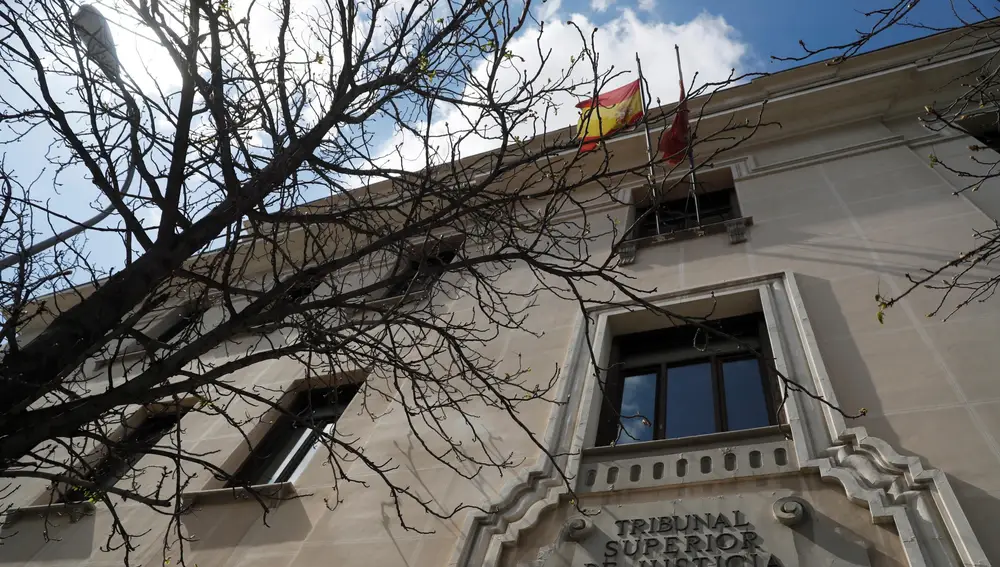
The Fifth Section of the Social Chamber of the High Court of Justice of Madrid (TSJM) resolved the woman's final appeal in ruling 175/2025, officially cataloged as STSJ M 3020/2025 with ECLI:ES:TSJM:2025:3020. Delivered on March 3, 2025, the judgment fully dismissed the appeal without ordering court costs.
Magistrates rejected the argument that a one year statutory deadline barred Social Security from collecting the overpayment. The court ruled that the agency did not perform a strict ex officio review of an administrative act, but rather adapted to a new legal reality caused by an external court order. Citing Supreme Court doctrine on ordinary administrative operations, the judges concluded that recovery of overpaid funds was fully lawful.


