

Portuguese Olympic triple jump champion Nélson Évora ended his athletic career at 42 years old on Thursday at Estádio Universitário de Lisboa.
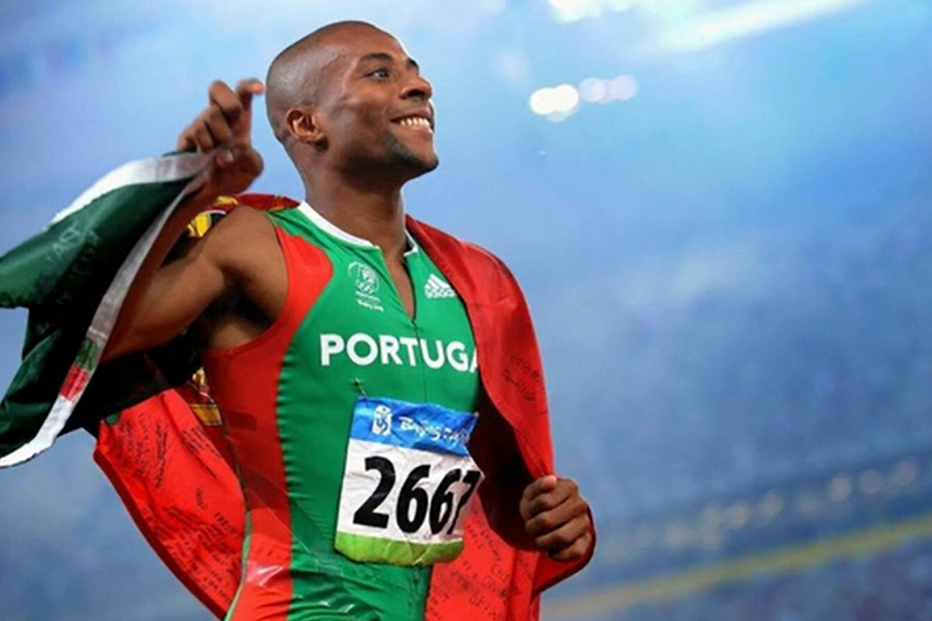
The veteran athlete completed a symbolic final jump of 16.72 meters, closing more than two decades of competition at the highest level.
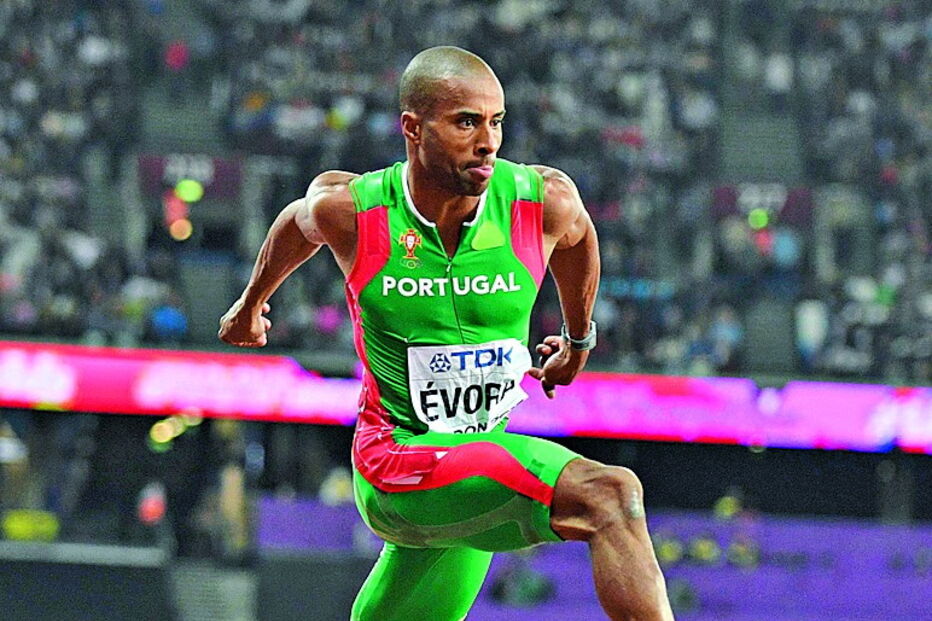
His retirement came two weeks after he won his 13th national triple jump title. During that competition, Évora reached 16.03 meters, recording the second best national mark of the year behind Pedro Pichardo's 17.71 meters.
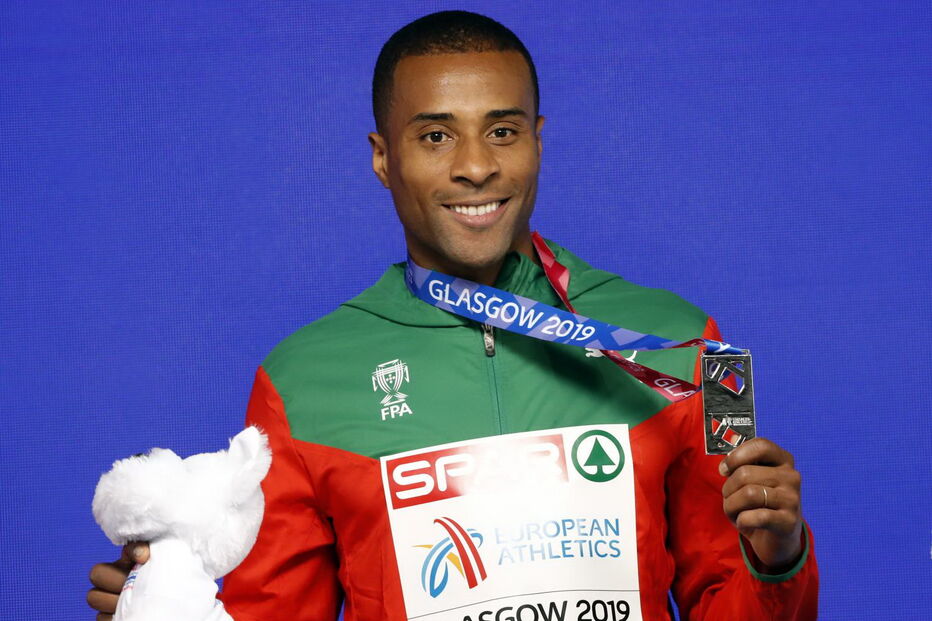
Symbolic final jump in Lisbon
Évora said the final stretch of his career was not planned to unfold this way, but it went very well. He said he sincerely expected to jump further, which surprised many people, but he had very few competitions to build competitive rhythm. He described the effort as a very good challenge that left him wanting more, while acknowledging that this moment had to arrive at his age.
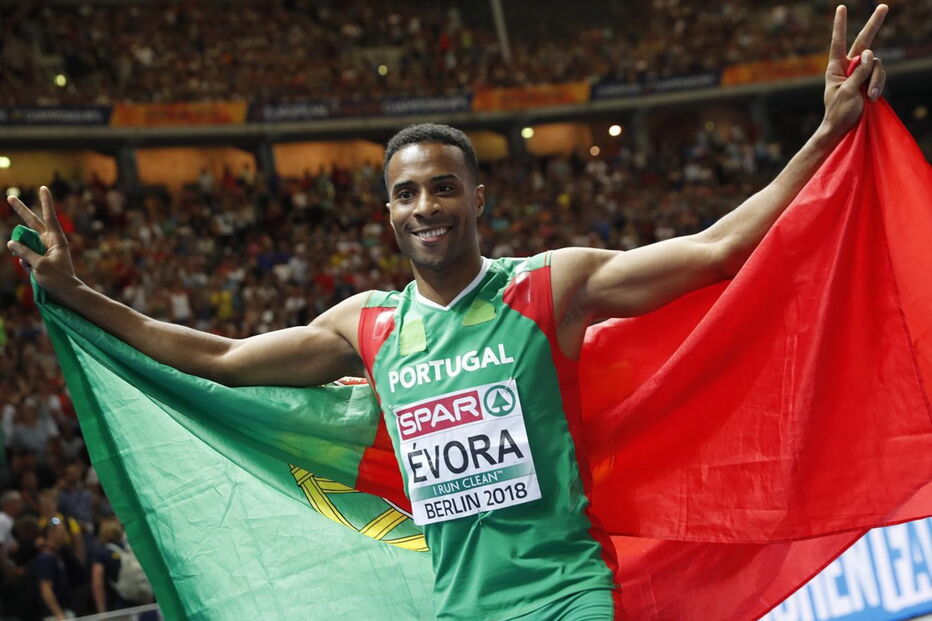
He explained that his return to competition was not driven by an ambition to win titles again, but to rediscover the joy of jumping after a three-year break. He noted that the national championships were an official competition, whereas the event in Lisbon served as a symbolic final jump.
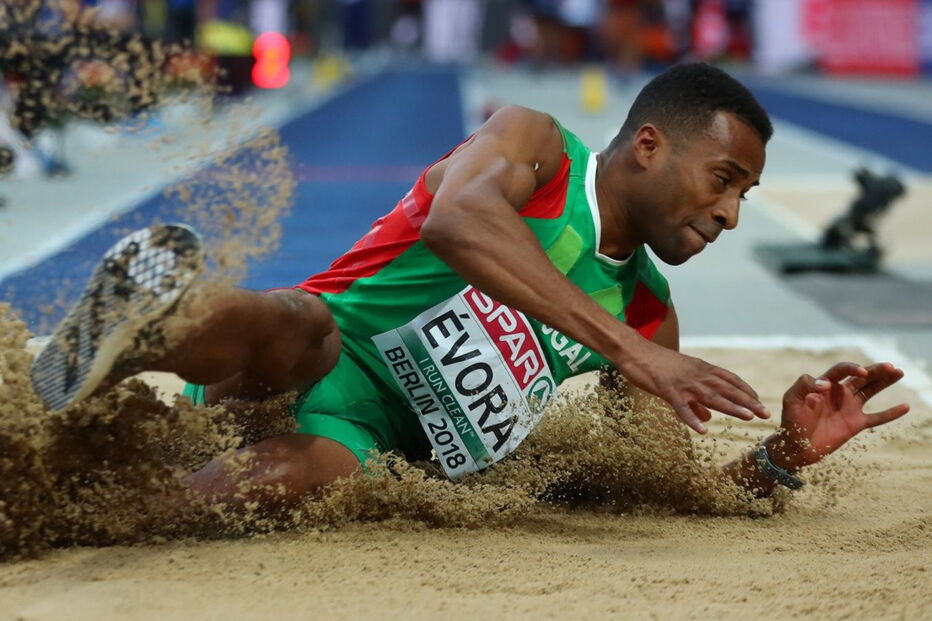
He said he was delighted when his comeback was announced and did not expect people to be so happy about his return to top-level competition. He added that the physical effort required at age 42 weighed on his decision, noting it is difficult to prepare the body to perform a good triple jump. Nevertheless, he said he feels happy and complete.

Career high and low points
Évora highlighted his gold medal at the 2008 Beijing Olympic Games as the peak of his career. He called the Olympic title the highest achievement possible for an athlete, adding that he dreamed of it when he was younger and never imagined entering national sports history. He also recalled his world titles, European titles, and indoor medals.
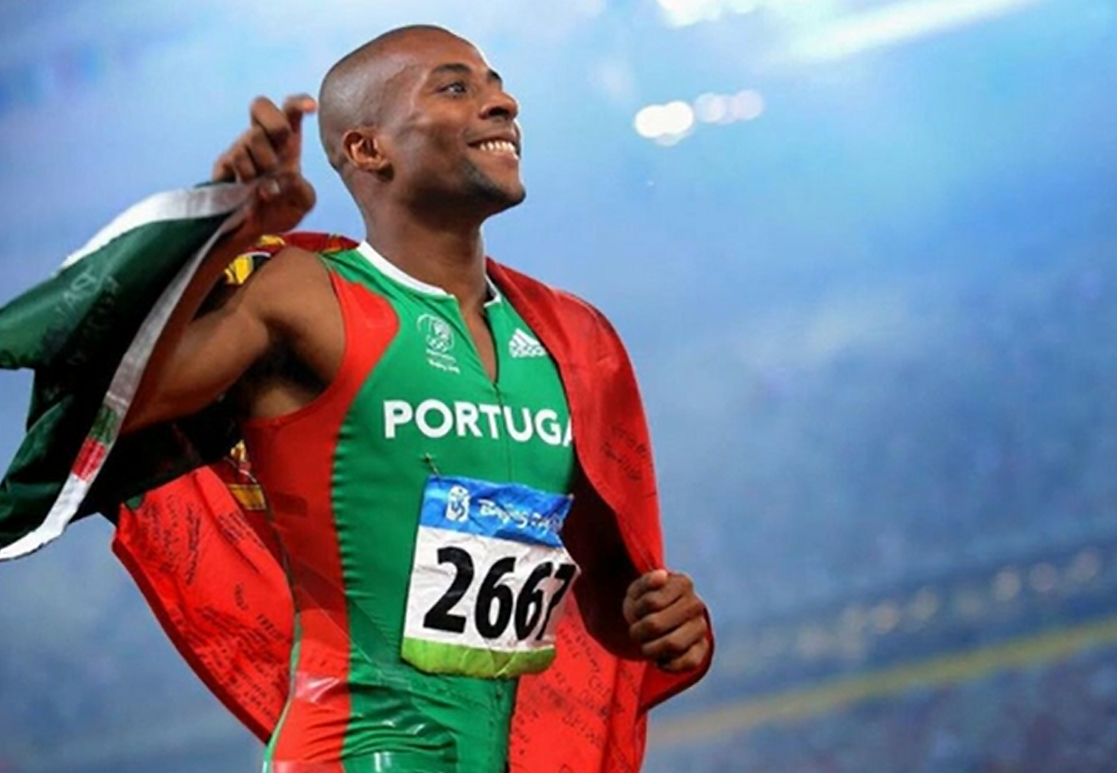
He described 2011 as the lowest point of his career, when he suffered a leg injury and lost his father a few months later. He said his father was his unconditional supporter, and the combined loss made him feel like quitting. He said he thought his career was over, but found the strength and resilience to fight through adversity and recover.

Reflecting on his journey, Évora stated that his career was worth every second and that he feels proud of his entire path. He acknowledged that some moments brought more luck than others, but noted he learned a great deal along the way.
Future plans after retirement
Évora said he has not yet decided on his future after athletics. He explained that it is time to close cycles and evaluate new projects carefully during this period of change.
He mentioned potential career paths such as becoming a coach or an executive, noting he has several options on the table that he prefers to consider calmly. He described entering the job market at age 42 as a challenge he intends to face with the same dedication he brought to sports.
Évora also stated that it is necessary to change how athlete mental health is viewed. He added that he felt happy and fulfilled with his career following a tribute from the Olympic Committee.


