

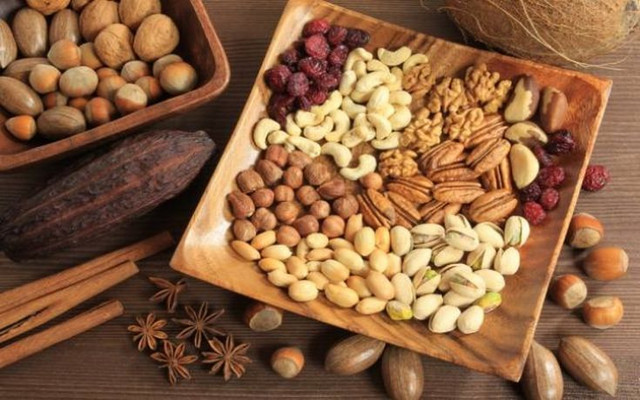
Peanuts, almonds and pistachios are the most protein dense nuts and legumes available, providing up to seven grams of protein per 28 gram serving to help people meet their daily nutritional targets.
Nutritionists recommend eating a handful of nuts each day as part of a balanced diet. Nuts deliver a dense combination of plant protein, dietary fiber, healthy fats, antioxidants, vitamins and minerals. These nutrients support heart and brain health while helping individuals manage their body weight.
While nuts cannot serve as a primary dietary protein source on their own, they offer a highly portable snack that contributes to daily intake goals. Health guidelines recommend adults consume 0.8 to 1 gram of protein per kilogram of body weight each day. Under this formula, a person weighing 73 kilograms requires between 58 and 72 grams of daily protein.
Protein should make up 10 percent to 35 percent of a person's total daily calorie intake, although exact requirements vary based on age and physical activity levels.
Peanuts and almonds
Peanuts offer the highest protein yield in the category, providing seven grams of protein per 28 gram serving.
While botanically classified as legumes alongside lentils and beans, peanuts are universally treated as nuts in culinary uses and trail mixes. They provide an excellent source of folic acid, niacin and biotin. These specific nutrients promote hair growth and help prevent hair loss.
Nutritionists advise eating peanuts with their thin red skin intact. The skin contains powerful antioxidants, notably resveratrol, which is the same protective compound found in the skins of red grapes.
Natural peanut butter made without added sugars or oils remains the most popular way to consume the legume. Cooks frequently blend it into oatmeal, add it to smoothies, or use it as a base for savoury sauces.
Almonds rank as the most protein dense true nut, delivering nearly six grams of protein per 28 gram serving. This equals the protein concentration found in an equivalent weight of chicken.
Each serving also provides three grams of dietary fiber. Almonds contain high levels of vitamin E, an essential nutrient that protects vision and maintains healthy skin. Almond butter serves as a direct substitute for peanut butter in nearly all culinary applications.
Pistachios and cashews
In shell pistachios match almonds by providing six grams of protein per 28 gram serving. They stand out structurally because they deliver complete plant protein.
Complete proteins contain all nine essential amino acids, including leucine, lysine and tryptophan. The human body requires these amino acids to function but cannot synthesize them internally, making dietary sources essential.
The combination of protein and fiber in pistachios promotes a lasting feeling of fullness, which helps maintain a healthy body weight.
Like almonds, pistachios contain melatonin, magnesium and vitamin B6. This chemical combination helps the body relax and promotes restful sleep. Nutritionists recommend eating a small portion of pistachios as a post dinner snack before bed.
Cashews provide five grams of protein per 28 gram serving, making them a staple ingredient in vegetarian and vegan diets. The soft nut blends easily into dairy free creams and thickens sauces. Cooks frequently add chopped cashews to salads, granola blends and vegetable stir fry dishes.
Brazil nuts and hazelnuts
Brazil nuts deliver four grams of protein per 28 gram serving. These large nuts are exceptionally rich in selenium, an essential trace element that supports thyroid function, reproductive health and the immune system.
A single Brazil nut provides more than 100 percent of a person's daily recommended selenium intake. Medical experts warn against eating too many Brazil nuts, as excessive long term consumption can cause selenium toxicity. This condition damages the heart, kidneys and the central nervous system.
Hazelnuts provide four grams of protein per 28 gram serving. They contain high levels of potassium, manganese and magnesium. These minerals provide anti inflammatory benefits, and nutritionists note that the antioxidants in hazelnuts may help lower blood pressure.
Pine nuts and walnuts
Pine nuts yield slightly more than four grams of protein in a 28 gram serving. The small seeds provide significant amounts of vitamin E, magnesium, and iron, which is necessary for healthy blood oxygenation.
Walnuts supply four grams of protein per 28 gram serving while standing out for their brain health benefits. They rank among the most potent plant based sources of anti inflammatory omega 3 fatty acids and folic acid.


