

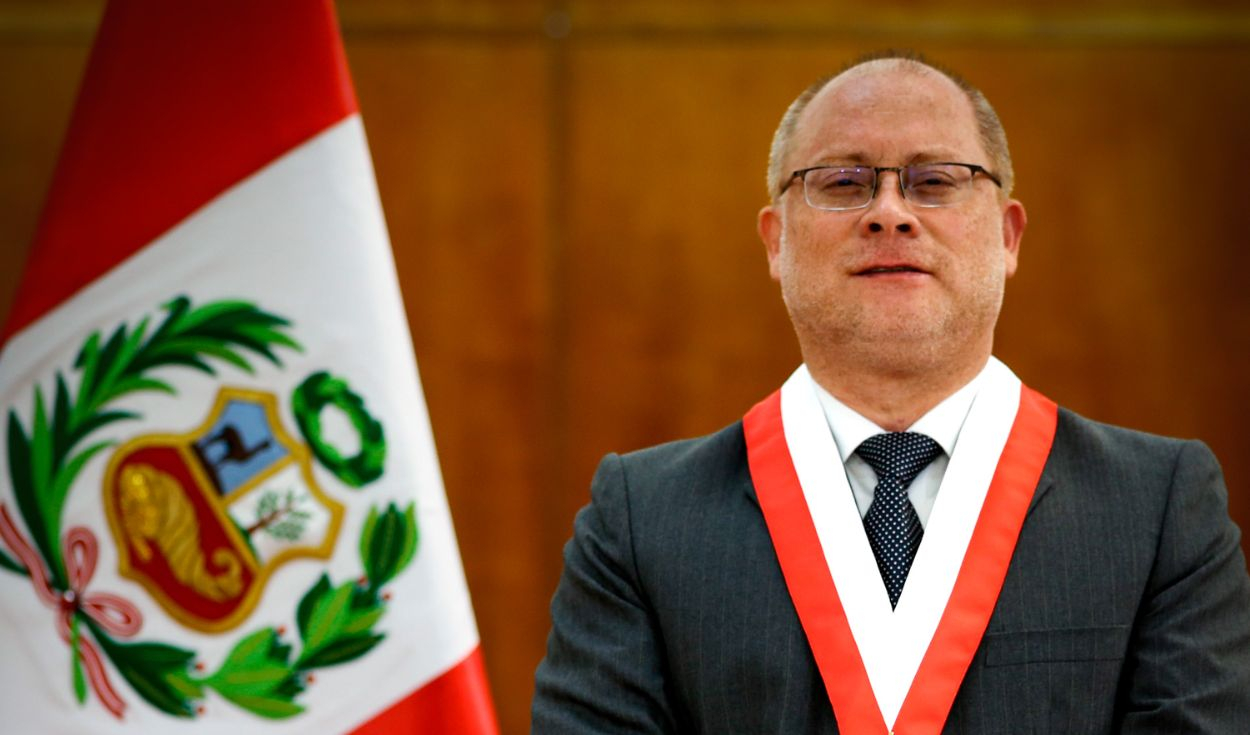
Magistrate Pedro Hernández Chávez has been elected president of the Constitutional Court of Peru after winning a majority vote among the institution's full bench of judges.
The election was announced by the court on its official social media account following a plenary meeting in which all seven magistrates participated. The new leadership team will officially take office on Friday, September 4, during a formal swearing-in ceremony scheduled for 10 a.m. at the court's headquarters in the San Isidro district of Lima.
Once installed, Hernández Chávez will lead the tribunal until May 2027, marking the end of the five-year term established for the current panel of magistrates.
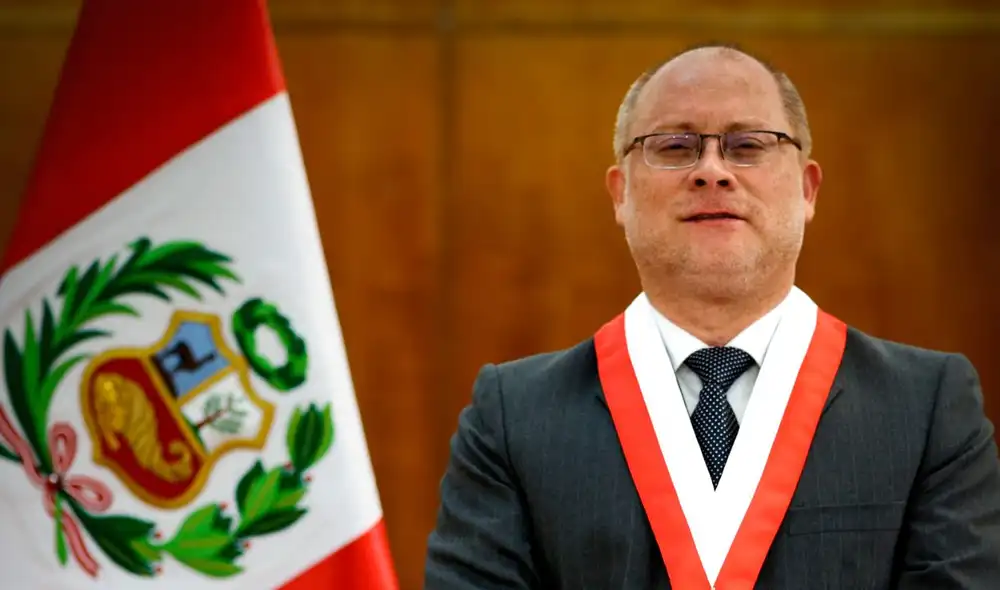
The voting session also defined the remaining executive roles for the tribunal's new board. Magistrate Luz Pacheco Zerga was designated as vice president, while outgoing president Francisco Morales Saravia was selected to direct the Center for Constitutional Studies, the academic arm of the tribunal.
According to the court's official statement, both the vice presidency and the leadership of the academic center were decided using the exact same voting procedures applied to the presidential election.
All seven active members of the plenum participated in the vote. The bench includes Helder Domínguez Haro, Francisco Morales Saravia, Gustavo Gutiérrez Ticse, Luz Pacheco Zerga, Manuel Monteagudo Valdez, César Ochoa Cardich, and Pedro Hernández Chávez.
Resignation and interim leadership
The election of Hernández Chávez follows months of internal transition within the tribunal's executive leadership. The path to the new presidency began on May 27, when Magistrate Luz Pacheco Zerga unexpectedly resigned from the top position.
In a public statement explaining her departure, Pacheco said she decided to step down after a majority of her colleagues voted to maintain confidence in a senior management official whom she had formally requested to remove. She clarified that her resignation applied strictly to the presidency and that she would remain on the tribunal as a magistrate.
Following her exit, Vice President Helder Domínguez Haro assumed the presidency on June 1 to ensure institutional continuity. His tenure as head of the court lasted just over three months before he stepped aside for Hernández Chávez to assume the role.
Voting rules and statutory procedures
The election was governed by Articles 5 and 6 of the Organic Law of the Constitutional Court, officially known as Law 28301. The legislation sets out strict procedural guidelines for how the tribunal chooses its leadership and conducts official business.
Under statutory rules, the court requires a minimum quorum of five magistrates to hold a valid plenary session. To win the presidency during the first round of voting, a candidate must secure at least five votes from the seven members of the bench.
If no candidate receives five votes in the initial round, the law requires a second voting round in which the candidate with the highest number of votes wins. In the event of a persistent tie, statutory regulations dictate that the presidency is automatically awarded to the magistrate with the longest continuous service on the court.
Role of the court and academic branch
The Constitutional Court of Peru functions as the country's highest authority for constitutional interpretation and judicial review. As an independent constitutional body, the court evaluates legal challenges, protects fundamental constitutional rights, and ensures that national legislation adheres strictly to the Peruvian Constitution.
The Center for Constitutional Studies, which Morales Saravia will now head, acts as the court's dedicated academic division. The center conducts constitutional research, publishes scholarly analysis, and provides specialized legal training for judges, attorneys, and constitutional law experts throughout Peru.
Hernández Chávez takes charge of the institution as it prepares for the remainder of its five-year mandate ending in May 2027. His presidency officially begins following Friday's 10 a.m. ceremony in San Isidro.


