Spanish Prime Minister Pedro Sanchez faces intense political pressure over his administration's response to an escalating irregular migration crisis in Ceuta.
The Spanish government announced it will withdraw sports centers in the North African autonomous city as temporary reception facilities following mounting public pressure and local political opposition.
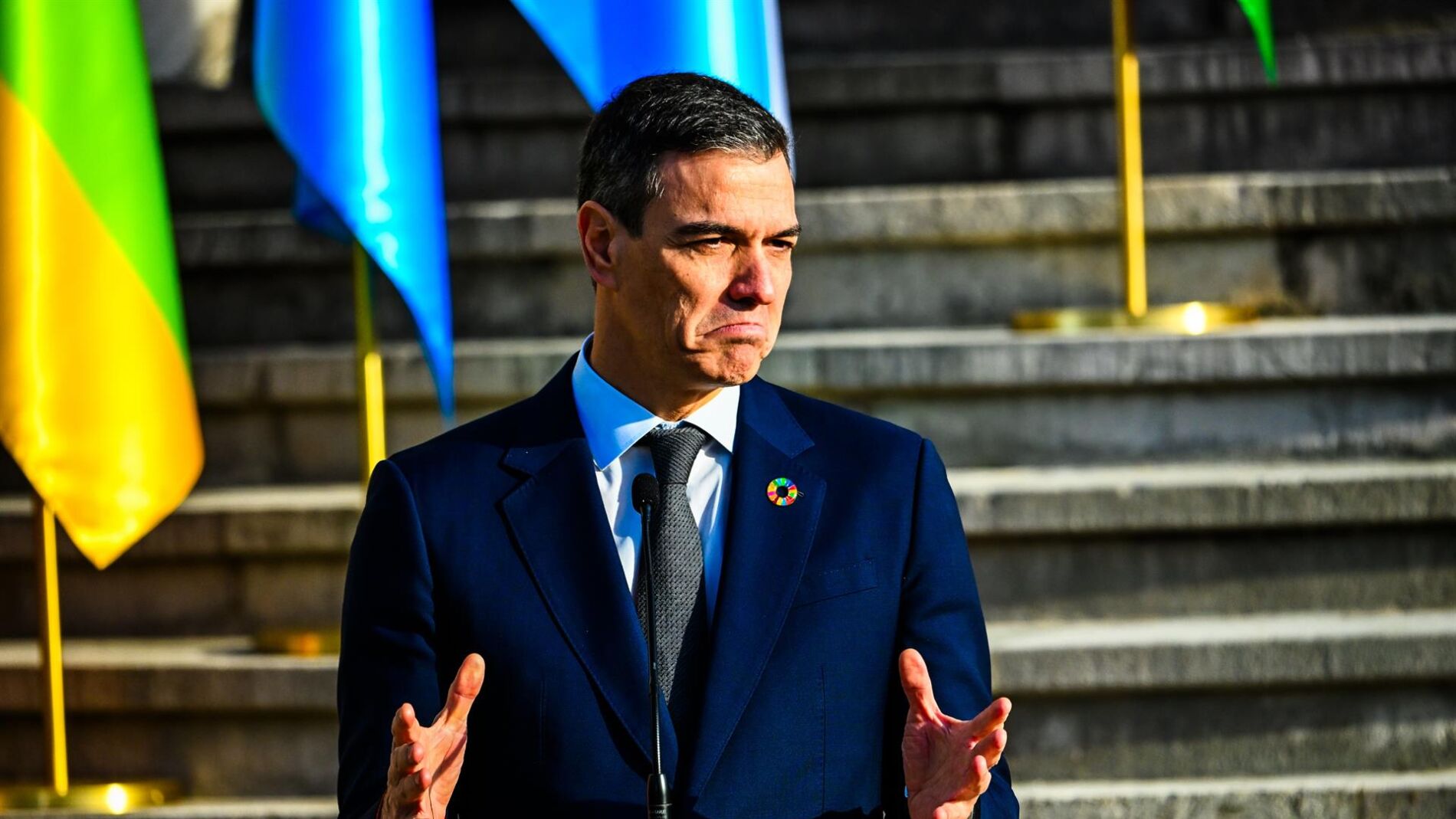
According to analysis published by journalist Sergio Barbosa, Sanchez took nearly a month to formally acknowledge the true scale of the border crisis through Spain's Council of Ministers. The prime minister faced sharp criticism for taking a three-week summer holiday while residents and young migrants in Ceuta endured severe hardship.
The human impact of the crisis has grown visible across Ceuta, where young Moroccan migrants have been sleeping near local police stations at night while resident families report disruptions to daily living. The local government led by Juan Jesus Vivas warned against national policies that risked converting the 19-square-kilometer city into a massive temporary immigrant stay center.
Spain's main conservative opposition People's Party and the right-wing Vox party have mounted a political challenge against the government over the distribution and care of unaccompanied migrant minors. At the same time, local residents in Ceuta have actively resisted plans to convert neighborhood sports halls into migrant shelters.
Cabinet Infighting and Intelligence Disputes
The border situation has exposed deep divisions within the Spanish cabinet over intelligence warnings and government accountability. Defense Minister Margarita Robles stated that Spain's National Intelligence Center had warned the Interior Ministry about the impending border crisis.
However, the central government delegate in Ceuta publicly challenged Robles and accused her of lying about the intelligence briefings. Interior Minister Fernando Grande-Marlaska responded to the controversy by stating that any report that cannot be published does not exist as incriminating evidence.
Transport Minister Oscar Puente has reportedly indicated that the current administration faces an impending expiration date. The government enters an unmerciful judicial autumn involving investigations into state security structures, ruling party finances, and ongoing difficulty passing a national budget.
National Security Declaration and Foreign Relations
Sanchez formally declared the situation in Ceuta to be of National Security Interest before traveling across the border into the Pyrenean principality of Andorra. Critics compared his political maneuvering to tanatosis, a survival mechanism where animals feign death until political predators lose interest.
The crisis has also strained diplomatic relations with Morocco, with commentators accusing the neighboring country of exploiting human suffering in Ceuta to press territorial claims over the city. Spanish defense officials organized an official trip to Morocco during the crisis, while Moroccan authorities recently dismissed a local imam after he publicly argued that the government should focus on providing employment for young people.
The ongoing turmoil contrasts with the beginning of Sanchez's tenure, which was highlighted by the high-profile welcoming of the migrant rescue ship Aquarius at the port of Valencia. Since then, Spain's migration policy has increasingly conformed to European Union guidelines in Brussels, while domestic policies saw reversals such as maintaining operations at the Almaraz nuclear power plant after major power blackouts.
Political Alliances and Domestic Developments
Political allies previously amnestied by Sanchez's government have turned against the coalition amidst tensions surrounding the Loma Colmenar area in Ceuta. The commentary cited reflections by Catalan author Josep Pla on how human behavior is driven primarily by emotional and subjective perception rather than rational logic.
Former Ceuta vice president Mabel Deu, who was convicted five years ago over the repatriation of migrant minors, stated that conditions remain unchanged and that local authorities still lack sufficient resources and personnel to manage the crisis.
Spain is also confronting weather anomalies and economic strain across the country. The State Meteorological Agency warned of polar air masses lowering August temperatures to 3 degrees Celsius with thermal shifts of up to 20 degrees, while economic hardships leave citizens like 80-year-old retiree Joan living in a van on a monthly pension of 1,038 euros despite working 49 years. Meanwhile, legal experts report that the National Social Security Institute rejects 80 percent of permanent disability claims, and tennis star Rafa Nadal's father Sebastia commented on regional vehicle choices in Manacor, questioning why anyone would drive an Aston Martin over a Kia.
Abroad, tragic flooding across Nepal and Tibet has claimed more than 160 lives, including two Spanish citizens. Prime Minister Sanchez is scheduled to appear before parliament on September 3, where he will address lawmakers on the government's management of the Ceuta crisis.