Peru's Economy Minister Elmer Cuba said the country's economy will grow less than expected in 2026, cutting the government's growth forecast to 3.1% from an original target of 3.4%, after sharper than expected declines in fishing, agriculture and textiles.
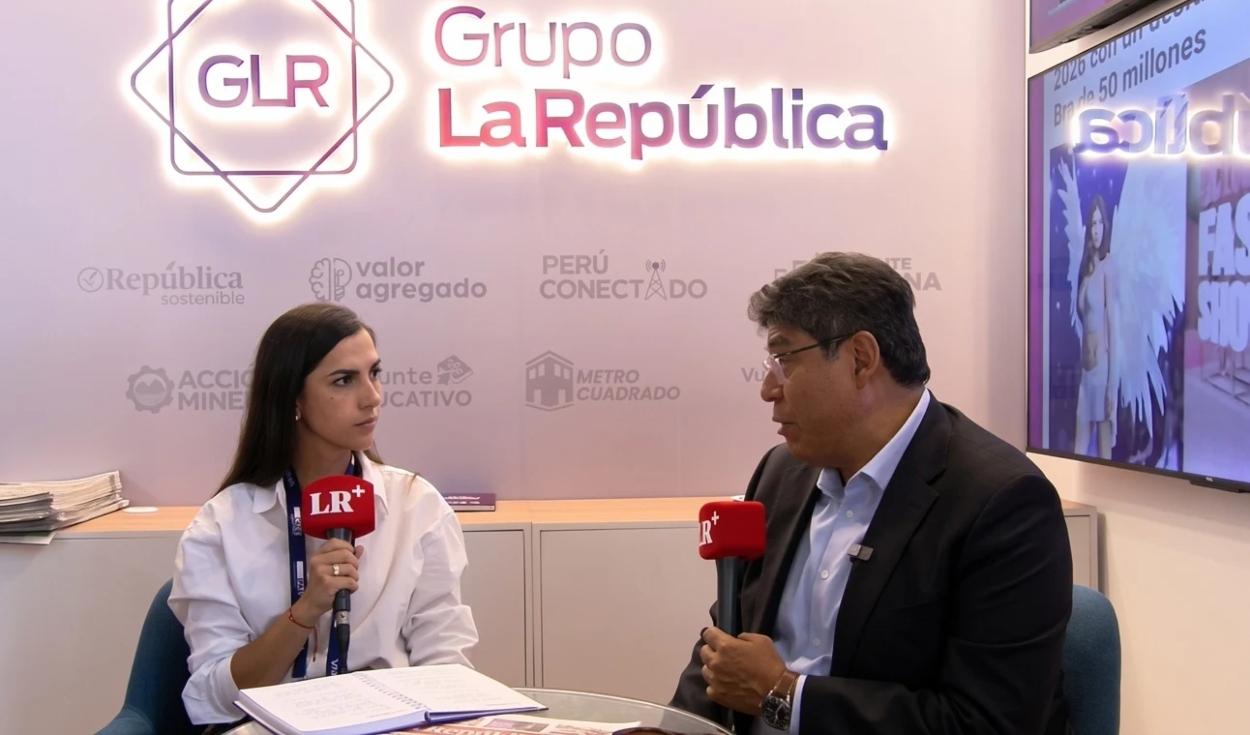
Cuba made the admission in an interview with the Peruvian newspaper La República during the CADE Ejecutivos 2026 business conference in Urubamba, in the Cusco region. He said the initial 3.4% projection had been somewhat optimistic, pointing to worsening data on fishing, agriculture and textiles that the government's early estimates had not taken into account. Cuba is an economist widely recognised in Peru for his earlier work at the consultancy Macroconsult, where he was a partner before joining the government.
Cuba said the 3.4% figure had been a little optimistic, but that the numbers were showing worse performance in fishing, agriculture and textiles.
The admission came after Peru's Ministry of Economy and Finance, known as the MEF, updated its macroeconomic projections and trimmed its year-end growth estimate by 0.3 percentage points. The ministry noted that the new 3.1% estimate is in line with the cumulative GDP result recorded through September.
The adjustment stems mainly from the effects of El Niño, the periodic warming of Pacific Ocean waters that disrupts weather and ocean conditions across the region. El Niño typically brings warmer sea temperatures to Peru's Pacific coast every few years, disrupting the cold currents that anchovy and other commercial fish species depend on, while also triggering heavy rains and flooding in parts of northern Peru. The phenomenon has altered conditions for fishing and farming in Peru and is spilling over into industries that depend on those activities.
Fishing and farming take the biggest hit
The MEF's revised figures show fishing will be among the hardest-hit activities this year. The ministry now expects fishing output to fall 40.5%, far steeper than the 25.8% decline it had forecast in August. Officials attributed the downgrade to warm sea anomalies that reduced anchovy landings and led to the cancellation of the second fishing season in the north-central zone.
Peru is the world's leading exporter of fishmeal and fish oil, both derived largely from anchovy caught off its Pacific coast, making the fishing industry a significant source of export earnings and a key input for the country's growth figures.
The slowdown is also expected to hit primary manufacturing, which the MEF now projects will contract 7.9% because of the reduced availability of anchovy used to produce fishmeal and fish oil.
The agricultural sector's outlook was revised as well, moving from a projected 1.4% contraction to a 2% decline, reflecting the risks that shifting weather patterns pose to crops such as mango, lemon, rice, potato and blueberries. Peru has become one of the world's largest exporters of blueberries in recent years, alongside major shipments of mango, lemon, rice and potatoes, making agriculture a key pillar of its export economy.
Cuba also pointed to weaker results in Peru's textile industry as part of the reason for the slower growth, even as he said the economy continues to post positive results in other areas. Peru's textile sector, built largely around cotton and alpaca fibre, is one of the country's traditional manufacturing industries and a significant source of employment, particularly in Lima and the southern highlands.
Government holds 2027 forecast at 3.4%
Despite the downgrade for this year, the MEF is keeping its growth projection for 2027 at 3.4%. Cuba said the government expects to contain the economic effects of El Niño, which could cause greater damage in various regions during the first months of 2027.
Cuba told La República that next year, when El Niño is expected to hit hardest, the government expects to succeed in combating its counter-cyclical effects and still grow 3.4%.
Counter-cyclical effects refers to the government's use of public spending and other policy tools to offset the negative impact of external shocks, such as El Niño, on economic growth.
CADE Ejecutivos is Peru's main annual business summit, organised by IPAE, a prominent Peruvian business association, and brings together government officials, executives and economists each year to discuss the country's economic outlook.
What happens next
Cuba said the government expects El Niño's effects to hit hardest in 2027 and aims to counter them while still achieving 3.4% growth that year.
Test yourself
What is the MEF's revised growth forecast for Peru's economy in 2026?
Where did Elmer Cuba give the interview about the growth downgrade?
How much is Peru's fishing output now forecast to fall in 2026?
Have your say
How concerned are you about El Niño's impact on Peru's economy?
Where it happened
Lima, Peru