

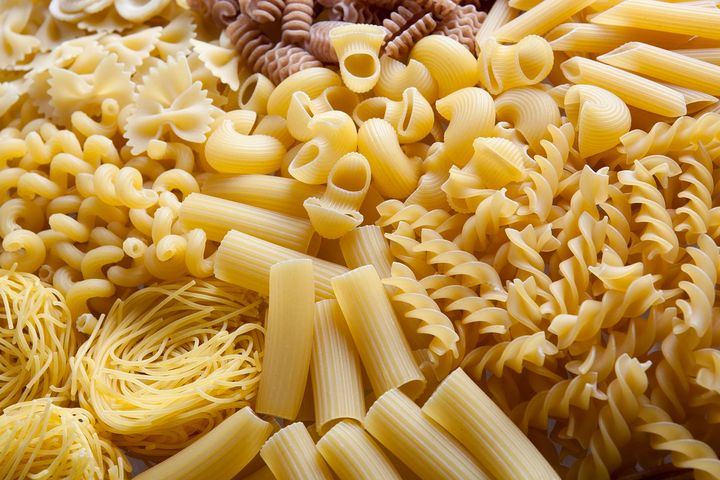
Around 80 percent of pasta packets contain the toxic heavy metal cadmium, according to an investigation published on Thursday, August 27, by the French consumer magazine 60 Millions de consommateurs.
The heavy metal is primarily absorbed through diet and is a known source of cancer. Consumers have no way to verify whether the supermarket pasta they buy is contaminated, as the vast majority of products do not indicate the provenance or country of origin of the wheat used to make them. Without this information, shoppers cannot know if a packet contains cadmium or in what quantities.
Patricia Chairopoulos, head of the food and environment section at 60 Millions de consommateurs, discussed the findings on the television programme Bonjour ! Avec vous. The broadcast was hosted by Christophe Beaugrand alongside his team of columnists.
The magazine 60 Millions de consommateurs is a prominent publication in France, published by the National Consumer Institute, that regularly tests household goods and food products for safety and quality.
How cadmium enters the food chain
Chairopoulos explained that cadmium is a metallic element similar to lead and mercury that is found in the soil. She noted that its presence has both natural and human origins, with the latter driven by the use of phosphate fertilisers that contain the metal.
Cadmium occurs naturally in the crust of the earth, but human activities such as mining, smelting, and the use of agricultural fertilisers have significantly increased its presence in the environment. Phosphate fertilisers, which farmers use globally to increase crop yields, often contain trace amounts of the metal.
Pasta is predominantly made from cereals, specifically durum wheat, a hard variety of wheat known for its high protein content and its ability to hold its shape during cooking. Chairopoulos said the roots of the wheat draw the compound from the soil, transferring it into the seed and ultimately into the pasta itself.
Exposure to cadmium is a significant public health concern. The metal can accumulate in the human body over time, particularly in the kidneys, and prolonged exposure is associated with an increased risk of cancer and renal failure. Patients at risk are eligible for free cadmium screening starting on Tuesday.
Organic and homemade pasta offer no guarantee
Shoppers hoping to avoid the metal by purchasing organic or more expensive pasta still face the same risks. Chairopoulos said that while organic farming uses fewer phosphate fertilisers, the underlying soil quality remains a vital factor because natural cadmium can be present where the crops are grown.
She stated that buying organic pasta will not necessarily protect consumers and does not make a significant difference to the levels of the heavy metal present.
The same problem applies to people who choose to make their own pasta from scratch. Chairopoulos concluded that the raw material is the issue, meaning that conventional flour purchased from a shop to make pasta at home will also carry the contamination.


