

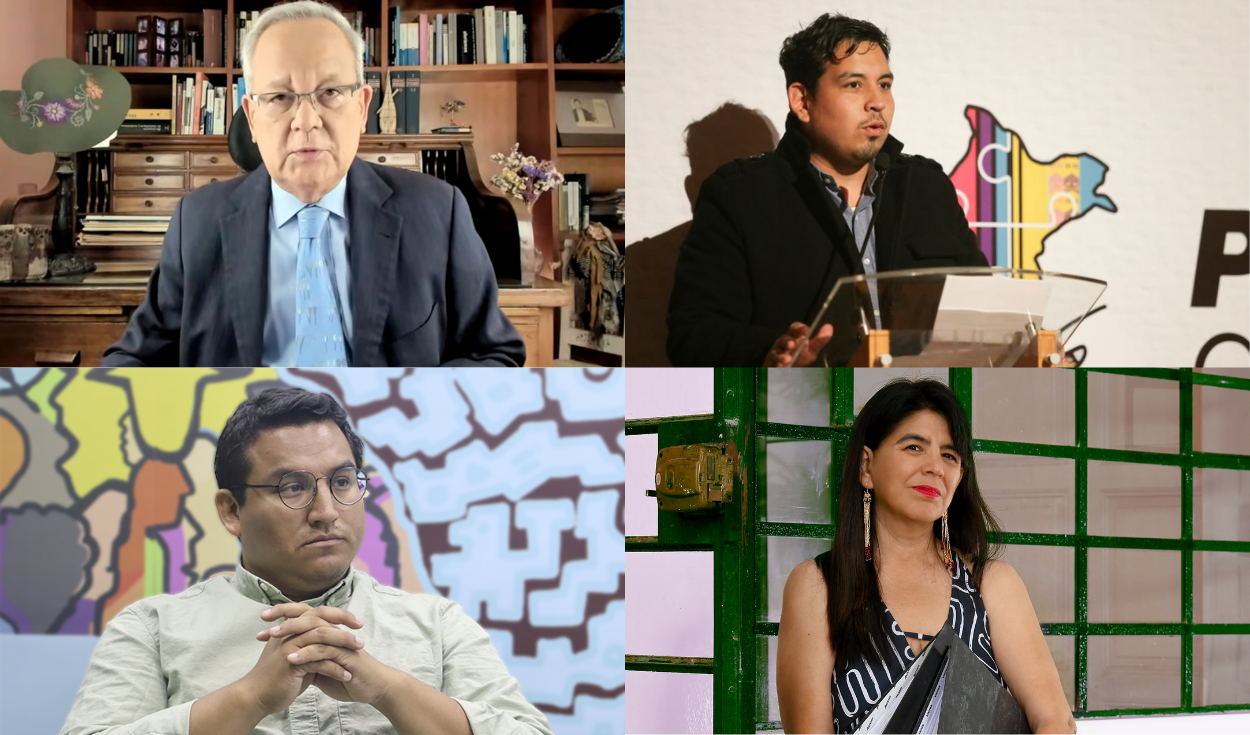
The Consejo de la Prensa Peruana (Peruvian Press Council, CPP) has warned that Peru's newly installed Congress produced its first attempt to restrict press freedom just one month after taking office. The council said Renovación Popular lawmaker Aldo Bravo Quispe proposed a Penal Code amendment that would have penalized journalists and ordinary citizens during political crises or social conflicts.
The proposal was withdrawn after criticism from several organizations. Even so, the CPP said the case still deserved scrutiny because it marked the first legislative attempt of its kind in the current parliamentary term.
Bravo's bill sought to increase the penalty for apología al delito, a Peruvian criminal offense covering public praise or justification of a crime, whenever it occurred "through any means of communication, digital platform, demonstration or act of dissemination." The measure would also have applied to anyone considered an "opinion leader, communicator, digital content creator, influencer or person with the capacity to call public gatherings."
Council calls bill a direct threat to journalism
The CPP described the initiative as a direct threat to the practice of journalism, particularly at a time when coverage of protests and social conflicts is especially necessary. The council also criticized the proposal's lack of precision, asking whether simply reporting the location and date of a protest could have been interpreted as apología al delito under the measure.
It further noted that the bill never clearly defined what constitutes a "political crisis" or who would have the authority to determine when one begins and ends. For the CPP, such legal gaps are unacceptable when criminal penalties are at stake.
Three more journalists targeted in August
The CPP's report for August 2026 was not limited to Bravo's bill. It also documented three other cases of judicial and digital harassment against Peruvian journalists during the same month.
Renzo Giner, a reporter for the newspaper El Comercio, was the target of a discrediting campaign built with artificial intelligence after he published an investigative report. Giner had faced a 10-million-soles lawsuit from Ricardo Vásquez, the Somos Perú party's candidate for mayor of Chorrillos, which was declared inadmissible by the courts.
Despite that outcome, social media accounts linked to the candidate circulated an AI-generated image of the journalist and accused him, without any evidence, of having been paid to produce his investigation.
Hildebrandt, Marchán and Ugaz face new lawsuits
Journalist César Hildebrandt and reporter Eloy Marchán, both of the magazine Hildebrandt en sus Trece, were sued for aggravated defamation. Argentine businessman Damián Valenzuela filed the complaint after the outlet published an investigation into his judicial record and his ties to President Keiko Fujimori. Valenzuela sought jail time for both journalists and one million dollars in civil damages.
Hildebrandt is a veteran Peruvian journalist and commentator known for decades of investigative and opinion work, and Hildebrandt en sus Trece is the investigative magazine he founded.
Journalist Paola Ugaz added a new aggravated defamation complaint to a legal history that stretches back to 2018. This time the Asociación Civil San Juan Bautista sued her, claiming her reporting contained "false statements, inaccuracies and unsubstantiated accusations." Ugaz has spent years investigating alleged abuses within religious organizations in Peru.
CPP rejects use of courts against reporters
The CPP rejected the use of the criminal justice system as a tool for persecuting journalists. It described the fines and civil damages sought against Giner, Hildebrandt and Marchán as disproportionate.
On the digital attack against Giner, the council said it amounted to a crime that authorities must investigate and punish, citing article 6 of the Declaration of Salta II issued by the Sociedad Interamericana de Prensa (Inter American Press Association), a regional press freedom body.


