

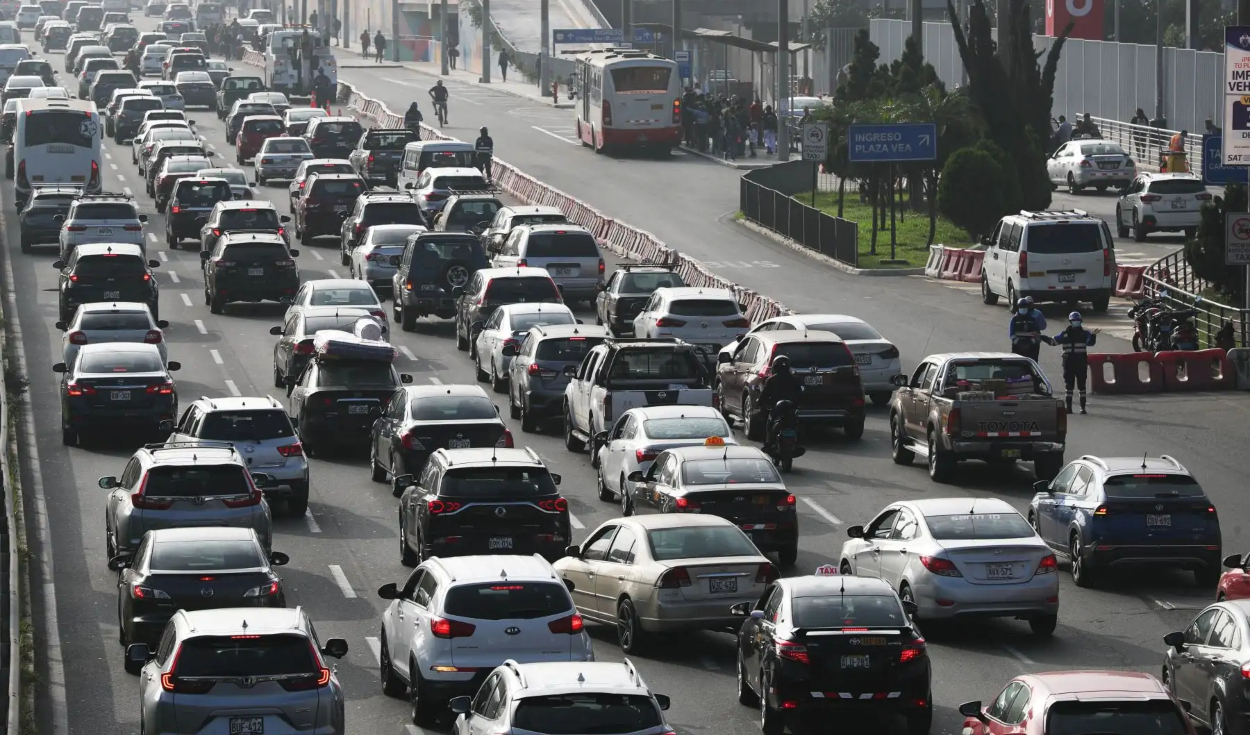
Vehicle traffic on Peru's highways grew 4.3 percent in May compared with May 2025, extending an unbroken run of monthly increases to 40 consecutive months, according to data from the National Institute of Statistics and Informatics (INEI).
The INEI's Vehicle Flow Index tracks light and heavy vehicles passing through toll stations across the country. In May, light vehicles rose 5.1 percent and heavy vehicles grew 3.4 percent.
Alberto Morisaki, operations and analytics manager at the Peruvian Automotive Association (AAP), said the Vehicle Flow Index makes it possible to observe the movement of goods and people and, through that lens, to gauge broader economic performance.
Holiday travel and consumer spending drove light vehicle gains
The increase in light vehicle traffic coincided with an extended weekend for Labour Day, Mother's Day celebrations, and gastronomic fairs held in Lima and other regions. Those events encouraged tourism and lifted activity in supermarkets, minimarkets, convenience stores, fuel stations, accommodation services, restaurants, and inter-provincial transport.
The AAP also noted that growth in new vehicle sales has been running in parallel with the rise in overall traffic over the past two years, with newer models offering improved safety and cleaner technologies.
Mining and construction underpinned heavy freight growth
The rise in heavy vehicle traffic was tied to wholesale trade and the movement of metals and minerals, construction materials, hardware products, fuels, and machinery. Higher output of copper, gold, iron, tin, natural gas, and natural gas liquids generated greater transport demand linked to those activities.
Construction added to the freight movement through increased domestic cement consumption for private projects, infrastructure works, multi-family housing, clinics, and industrial plants.
Regional results varied widely
Traffic growth was not uniform across the country. Piura recorded an 8.1 percent increase, driven by religious activities, while Puno rose 8 percent, boosted by the San Isidro Labrador festival in Juliaca. Junin posted a 6.6 percent gain tied to processions, commercial fairs, and dance events, and Arequipa grew 5.2 percent partly because of the Virgen de Chapi festival, which drew visitors from other regions and abroad. La Libertad saw a more modest 1.9 percent rise linked to the San Isidro Labrador patronal feast in Moche.
San Martin was the only region to report a decline. Traffic there fell 6.3 percent after the Fernando Belaunde Terry highway was blocked during an agricultural strike and heavy rains damaged road infrastructure in the province of El Dorado.
Outlook positive but climate poses a risk
The AAP said the outlook for coming months remains favourable, in line with private consumption, investment, and exports. However, the association warned that a potential strengthening of the El Nino phenomenon toward the end of 2026 and into 2027, together with conditions associated with the Coastal El Nino, could affect agriculture, transport, commerce, and tourism. Damage to roads and bridges could also disrupt connectivity and alter traffic flows across different regions.


