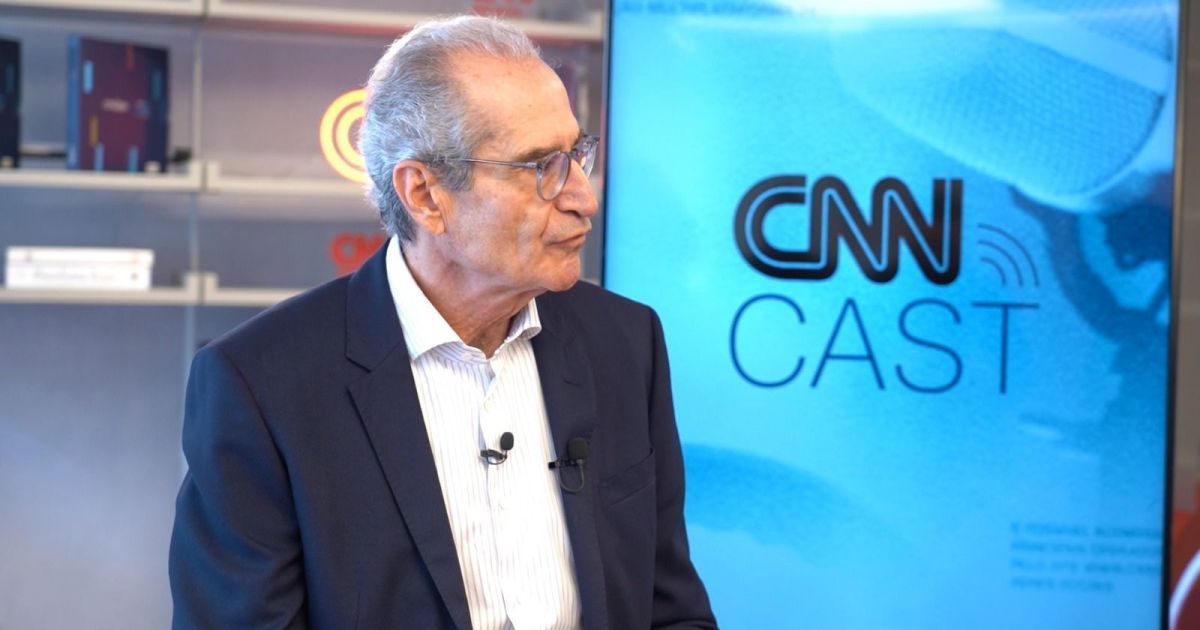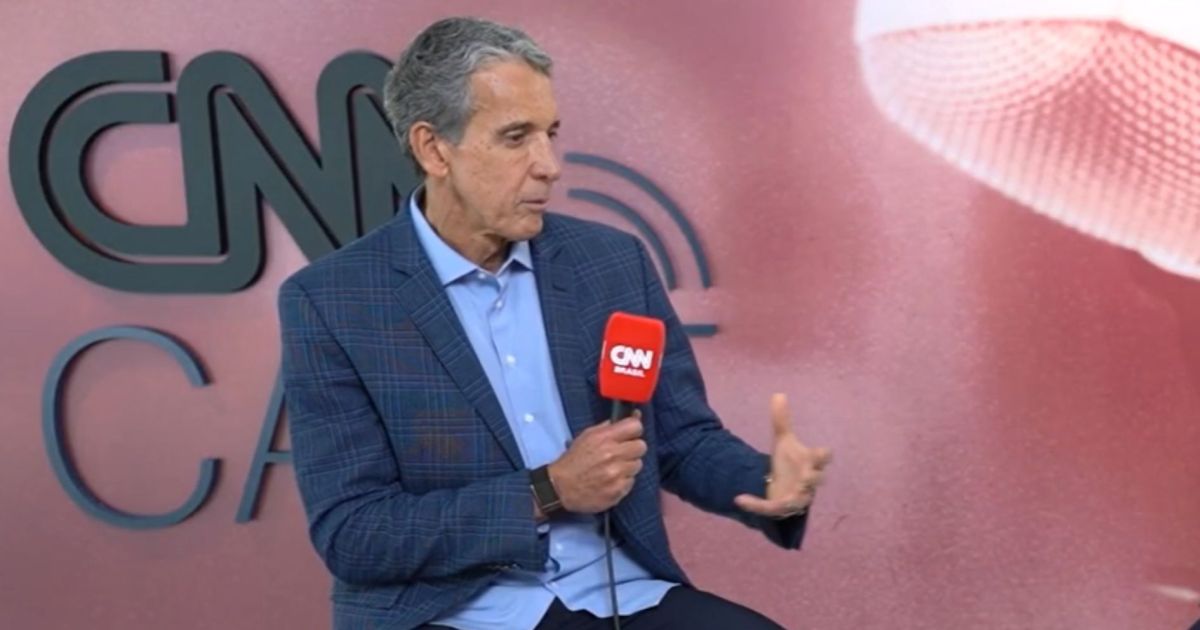
Marcos Trindade, chief executive of FSB Holding, said a company's reputation, when built consistently over time, works as a form of protection during moments of crisis. He made the comments in an interview with CNN Brasil at the Repcom 2026 event, held in São Paulo on August 21.
Repcom 2026 brought together business leaders, content creators and specialists to discuss the role influence plays in building credibility and value for brands.
Trindade said that building reputation is a long-term process, not a short-term one, and that it is shaped day to day through a company's actions and attitudes. He said the consistency between what an organisation does and what it says is the central element of an authentic, solid reputation.
He said that building reputation over time with credibility, consistency and coherence creates what he described as a reputational protection hedge for moments of difficulty.
To illustrate the weight reputation carries in business, Trindade cited the American investor Warren Buffett, saying that a reputational loss and a drop in reputational value would be enough to put someone out of a company. Buffett is the chairman of Berkshire Hathaway and is widely known for his views on long-term value and corporate trust.
CEOs as influencers
Addressing the growing movement of business leaders on social media, Trindade said chief executives already hold established legitimacy and authority, and that the next step is for them to transmit that authority through digital platforms.
He said what CEOs had been missing was taking the step to carry that authority onto social media and communicate it directly to people. He also pointed to a two-way shift, in which CEOs are becoming influencers at the same time as many influencers are becoming entrepreneurs.
Trindade cautioned against short-term decisions that could put reputation at risk for the sake of immediate economic gain. He said building this kind of public presence sustainably over time requires considerable care.
Reputation as a strategic asset
Asked how companies can invest in reputation, Trindade referred to a definition he attributed to Esteves, of BTG Pactual, describing reputation as an abstract asset that generates value every day. BTG Pactual is one of Brazil's largest investment banks.
He said concern over building value through daily actions is increasingly present among corporate leaders.
Trindade also said the number of followers a person has on social media is not the only relevant factor when a brand considers linking itself to that person. He said it does not matter how many followers someone has, or whether they are seen as an authority on a given subject, stressing that figures with credibility in areas such as health, education and economics carry significant value because of the trust their words convey to the public.