

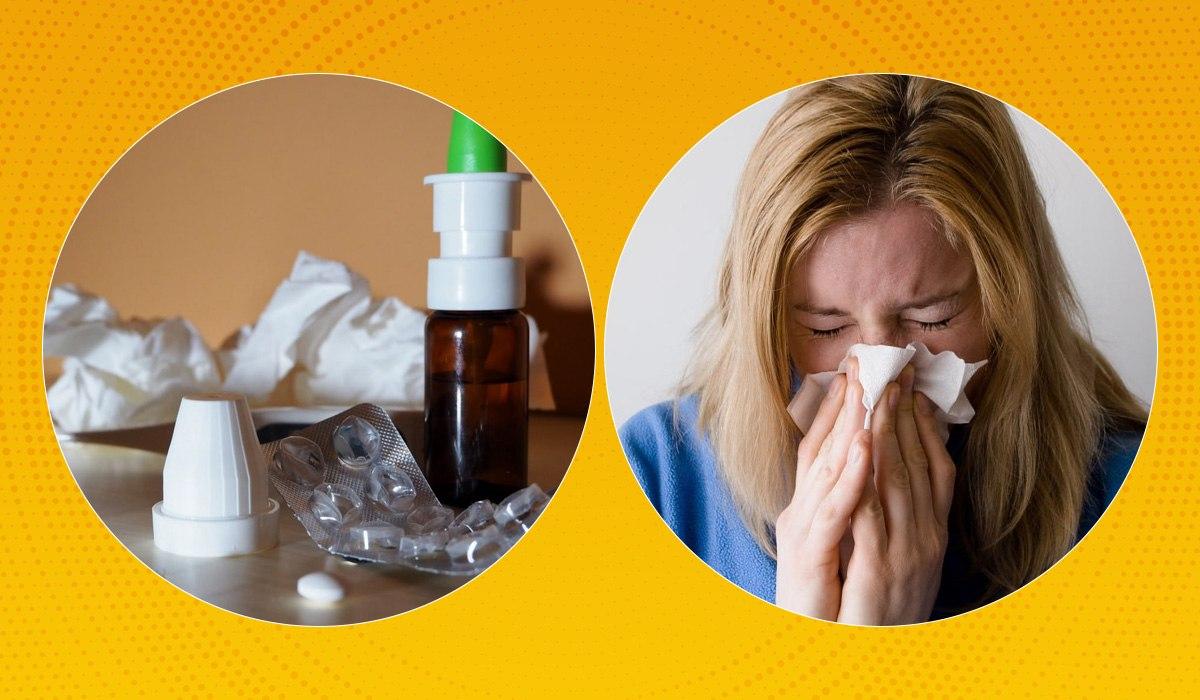
A rhinovirus causing symptoms easily mistaken for allergies is spreading across Ukraine alongside seasonal influenza strains, Doctor Taras Zhiravsky told news agency UNIAN.
The Ukrainian physician warned that citizens face heightened vulnerability to circulating respiratory infections this season because ongoing wartime stress, missile attacks, and sleep deprivation have lowered population immunity.
The circulating rhinovirus causes sneezing, coughing, and nasal discharge while rarely producing a high fever, with patient temperatures typically remaining around 37.1 to 37.2 degrees Celsius. Zhiravsky described the infection as a pseudo allergy and noted that it is actively spreading across both Ukraine and wider Europe.
Rhinoviruses are small infectious agents belonging to the Enterovirus genus of the Picornaviridae family. They are the most common viral cause of upper respiratory tract infections in humans worldwide and typically target the mucosal linings of the nasal passages.
Distinguishing rhinovirus from influenza strains
Influenza A and influenza B strains are also currently circulating in Ukraine, both of which present with significantly more severe symptoms than rhinovirus. Zhiravsky explained that rapid test kits available at local pharmacies and laboratories can quickly differentiate flu infections from other respiratory viruses, noting that both influenza A and B follow identical treatment protocols.
Patients infected with seasonal flu typically experience high temperatures of 38 degrees Celsius or higher, accompanied by muscle aches, joint pain, nasal congestion, a sore throat, cough, and severe fatigue. Children infected with flu may also experience earaches, while both children and adults sometimes report mild diarrhea on the first day of illness.
Influenza A and influenza B viruses cause seasonal epidemics of respiratory illness almost every winter. Influenza A viruses are divided into subtypes based on surface proteins, whereas influenza B viruses mutate more slowly and are categorized into specific lineages.
COVID-19 also continues to circulate across Ukraine, presenting symptoms that closely resemble influenza and causing fever levels between 37.5 and 38 degrees Celsius. Because clinical symptoms overlap heavily, Zhiravsky emphasized that rapid diagnostic tests remain the only reliable method to distinguish COVID-19 from influenza.

Treatment steps and warning signs for complications
Patients who contract influenza should immediately take measures to lower their body temperature while ensuring adequate rest in bed. Ordinary common colds generally resolve within a few days with milder symptoms and lower temperatures, whereas influenza requires careful monitoring.
If a patient maintains a high fever on the fourth, fifth, or sixth day of illness, Zhiravsky warned that this indicates a potential complication from influenza or COVID-19 requiring mandatory medical consultation.
Severe night sweats are another critical warning sign that often points to the onset of pneumonia or acute bronchitis. Pneumonia involves inflammation of the microscopic air sacs within the lungs, which can fill with fluid or pus and cause severe respiratory distress if medical treatment is delayed.
Addressing public concerns over exotic pathogens, Zhiravsky reassured Ukrainians that there is no risk of new or dangerous diseases creating a health crisis in the country. He dismissed fears regarding plague, explaining that the bacterial infection is controllable with standard antibacterial medications, spreads poorly between humans, and will not reach Ukraine.
Vaccine availability and high risk populations
Conflicting reports have emerged regarding influenza vaccine supplies in Ukraine, with some sources claiming shortages while others report available stock. Zhiravsky called on the Ministry of Health of Ukraine to issue official guidance detailing total vaccine numbers and regional distribution.
The Ministry of Health of Ukraine serves as the central executive body managing healthcare policy, disease control, and pharmaceutical stockpiles across Ukrainian oblasts. Influenza vaccinations are administered primarily through family doctors, though product costs vary depending on the healthcare provider.
While vaccination does not entirely prevent infection, Zhiravsky noted that it reduces the risk of severe disease progression by approximately 50 percent.
Influenza poses the greatest danger to individuals with underlying medical conditions, including systemic autoimmune disorders such as systemic lupus erythematosus and dermatomyositis. Systemic lupus erythematosus causes the immune system to attack healthy tissues throughout the body, while dermatomyositis leads to muscle inflammation and skin rashes.
Patients with severe allergic conditions, particularly asthma and obstructive bronchitis, also face elevated risks from influenza complications. Furthermore, individuals diagnosed with metabolic syndrome, encompassing obesity, diabetes, hypertension, and gout, are highly susceptible to severe flu outcomes. Gout is an inflammatory form of arthritis caused by uric acid crystal accumulation in the joints.
Prevention methods and lifestyle recommendations
For high-risk individuals, avoiding crowded public spaces represents the single most effective strategy to prevent infection. Zhiravsky cautioned that commercial immunostimulants and immunomodulatory drugs are ineffective for both the prevention and treatment of influenza.
Rather than relying on unproven remedies, citizens should focus on core health practices to maintain immune function during wartime conditions. Zhiravsky recommended getting maximum restorative sleep, avoiding heavy alcohol consumption, eating simple nutritious foods, and performing regular physical exercises.
Doctor Taras Zhiravsky is a Ukrainian physician, medical blogger, and public health communicator based in western Ukraine. He completed his medical education at the Ukrainian Catholic University and the Danylo Halytsky Lviv National Medical University, one of the oldest medical academies in Eastern Europe founded in 1784. Since 2021, Zhiravsky has worked with the Lviv City Council while providing regular medical guidance on social media platforms.


