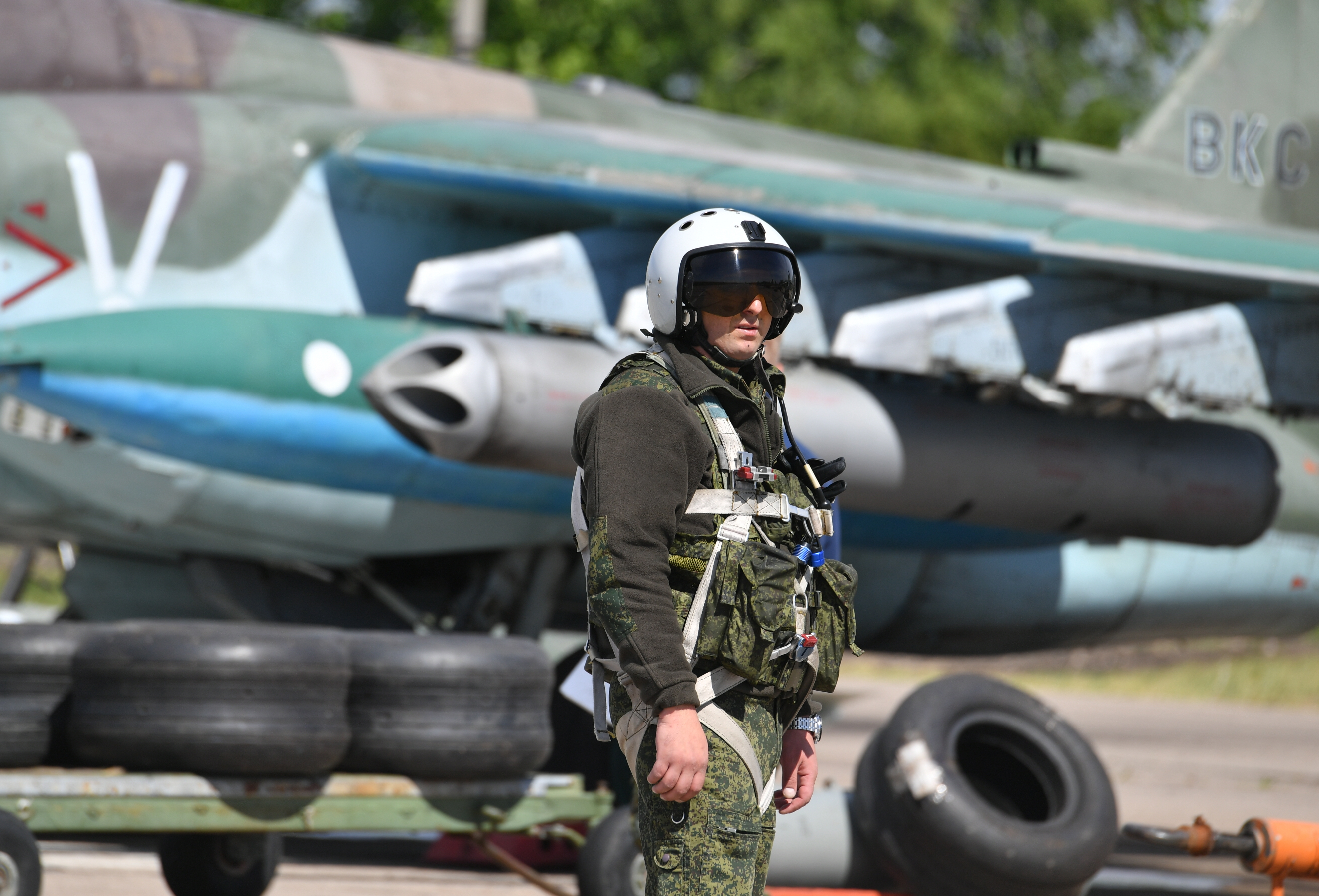
Russia marks Air Force Day on August 12, 2026, honoring a military service branch commanded by Lieutenant General Sergey Kobylash with ceremonies across the country. The official holiday traces its origins to August 12, 1912, when aviation management was transferred to the Aeronautical Section of the Main Directorate of the General Staff. That decision established the foundation of military aviation in Russia.
Although the Air Force represents a strategically important military branch, August 12 is not an official day off. Soldiers and officers observe the holiday while remaining on active duty, with the date falling on a Wednesday in 2026.
In the Soviet Union, Air Force Day was not celebrated as an independent holiday. Authorities instead observed Aviation Fleet Day, which continues today as a celebration focused primarily on civil aviation. Russian President Boris Yeltsin first established Air Force Day in 1997, and President Vladimir Putin later confirmed the date by official decree in 2006. Air Force Day is observed on August 12, while Aviation Fleet Day takes place on August 17. Air festivals, aerial parades, and public exhibitions are held in regions across Russia to mark the occasion.

Military Structure and Early History
The Air Force of the Russian Federation operates as a specialized branch within the Aerospace Forces. Its origins extend back to imperial times, when military leaders first considered deploying aircraft to front lines in 1869 between the Crimean War and the Russo-Turkish War. At that time, military planners focused on combat balloons three decades before the invention of the airplane.
Russian industry began manufacturing airships and airplanes in the early 20th century before purchasing additional aircraft from foreign suppliers. Military leaders initially viewed battlefield aviation with skepticism. Several Russian officers were dispatched to France for flight training and returned home to instruct domestic pilots.
Grand Duke Alexander Mikhailovich, a cousin and childhood friend of Tsar Nicholas II, served as chief of the Imperial Military Air Fleet. He championed the creation of Russia's first officer flight school in Sevastopol.
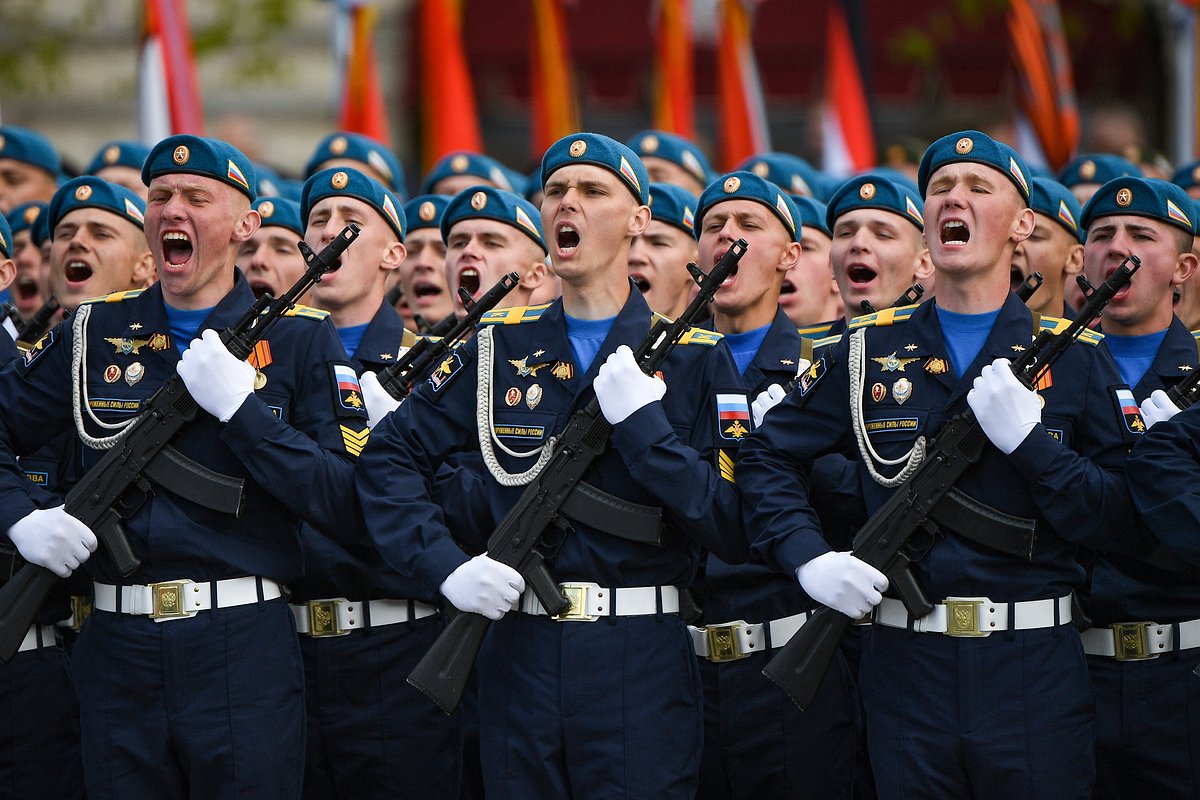
Early Russian military aviation recorded major technological and tactical achievements before the 1917 revolution. Aircraft designer Igor Sikorsky built the world's first four-engine bomber in 1913, named the Ilya Muromets, which established the prototype for long-range aviation. Ace pilot Pyotr Nesterov carried out the first aerial ramming in history in 1914, having earlier executed the Nesterov loop to pioneer basic aerobatic maneuvers.
Following the revolution, the Imperial Military Air Fleet was disbanded, leading to the creation of the Workers' and Peasants' Red Air Fleet in 1918. The force was later renamed the Air Force of the Red Army. Soviet military aviation expanded during the 1930s with new aircraft and was divided into fighter, bomber, ground-attack, and reconnaissance divisions. Soviet pilots gained operational experience in the Spanish Civil War, the Sino-Japanese War, the Battle of Khalkhin Gol, and the Soviet-Finnish War.
World War II Combat and Jet Era
At the start of the Great Patriotic War, most aircraft available to Soviet forces were outdated. A sudden attack by the German Luftwaffe on Soviet airfields on June 22, 1941 caught the military unprepared, destroying about 1,500 planes on the ground and 322 in the air.
Soviet industry and military command addressed these losses during ongoing combat operations. The early 1940s saw the deployment of key aircraft, including the Il-2 ground-attack plane, the MiG-3 fighter used during the Battle of Moscow, and the Yak-9 fighter. German forces recognized the Yak-9 as one of the top fighter aircraft of the war, and production continued after the conflict ended.

Despite heavy losses of equipment and inexperienced personnel in 1941, mass manufacturing reaching up to 100 combat aircraft per day allowed the Red Army to regain initiative within two years. Soviet aviation achieved full air dominance by 1944, and 7,500 Soviet aircraft participated in the Berlin operation in 1945.
After World War II ended, the Red Army Air Force converted to jet aircraft, built up strategic aviation capabilities, and deployed fourth-generation fighters, including the MiG-29 and Su-27. By the late 1980s, the Soviet Union maintained approximately 10,000 military aircraft. Following the collapse of the USSR, fleet size declined significantly, with Russia inheriting 40 percent of Soviet Air Force equipment and 65 percent of its personnel.
Comprehensive military reforms and rearmament programs began in 2008 to rebuild force capacity. The Air Force merged with Air Defense forces in 2015 to form the Aerospace Forces. A large-scale modernization effort launched in 2010 provided pilots with Su-34 frontline bombers, Su-35 and Su-30SM multirole fighters, and An-70 new-generation medium-haul military transport planes. Modern unmanned aerial vehicles used in the special military operation in Ukraine also fall under Air Force management.

Traditions and Recognized Groups
Air Force Day on August 12 is marked by formal airfield assemblies, where distinguished pilots receive awards, military commanders deliver greetings, and military bands perform. Air units hold open house events featuring tours of combat airplanes and helicopters, while host cities organize evening concerts. Regional airfields present retro aircraft displays, aviation museums host themed events, and television channels broadcast documentary and feature films about pilots.

The holiday honors all individuals connected to military aviation. Recognized groups include military pilots, navigators, radio operators, and gunners, alongside ground service personnel such as engineers, mechanics, and dispatchers. Celebrations also recognize air defense personnel, combat veterans, aircraft designers, flight school cadets, aviation university students, and members of youth military aviation clubs. Families of service members, including wives, children, and parents, are also formally congratulated.
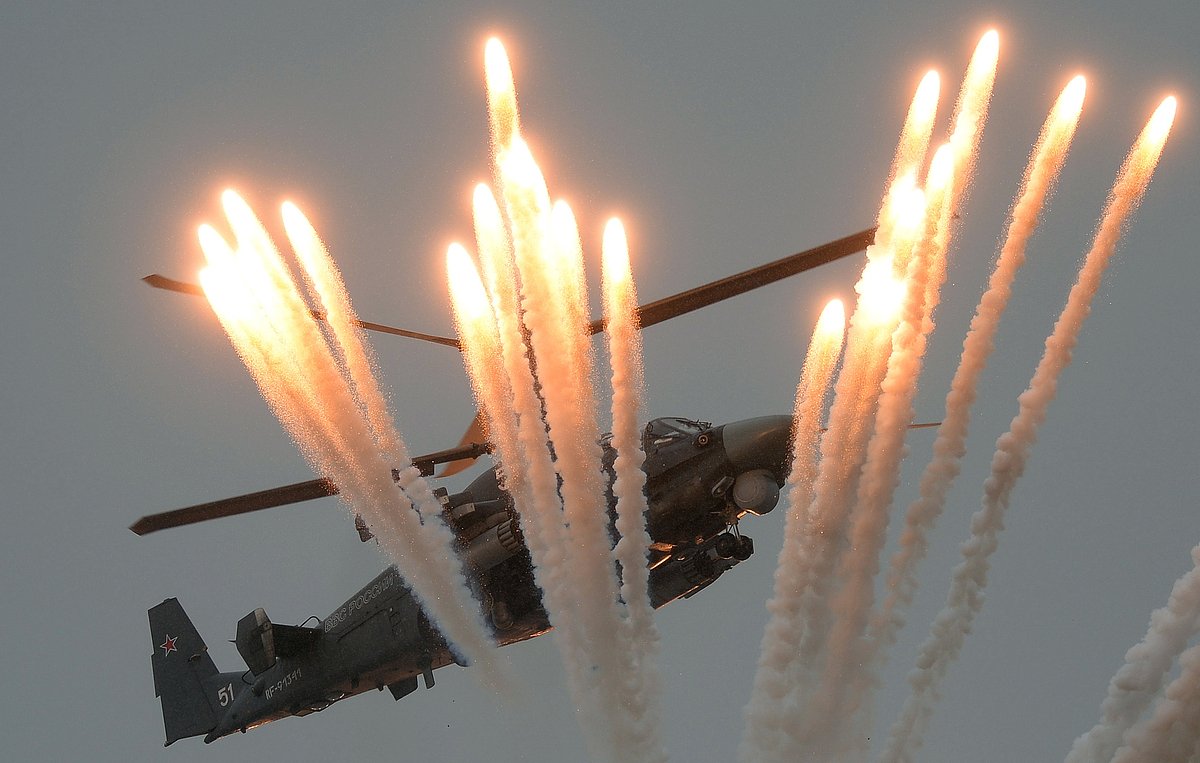
Holiday Greetings and Gift Ideas
Traditional greetings for Air Force Day express wishes for smooth landings, clear skies, favorable winds, and peaceful flights. Other common wishes focus on successful sorties, accurate navigation, adequate fuel supply, reliable machinery, steady engine performance, and safe returns home.

Popular gifts associated with the holiday include aviation-themed wristwatches, custom portraits or photobooks styled in Soviet or pre-revolutionary designs, tactical flashlights, heated thermal mugs with engraved greetings, leather belts with aviation badges, and engraved ballpoint pens. Other traditional items include leather document folders, collectible model aircraft such as the Il-2 or Su-27, books on aviation history, tickets for flight simulators, 3D LED lamps shaped like aircraft or Air Force logos, and custom cakes decorated with airplanes or runways.