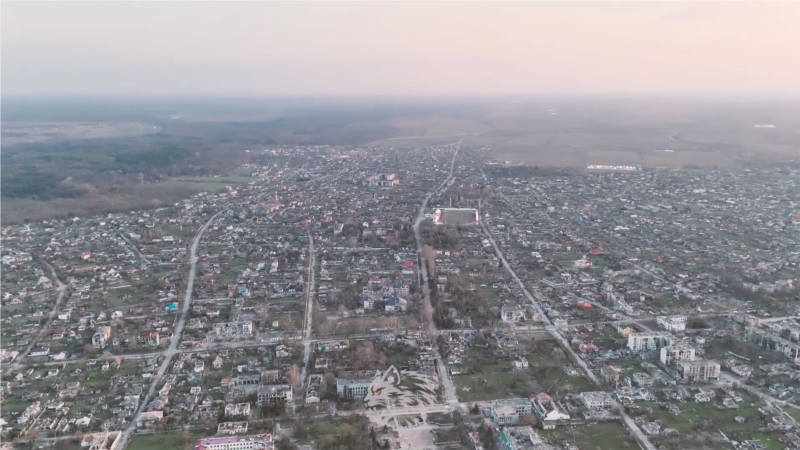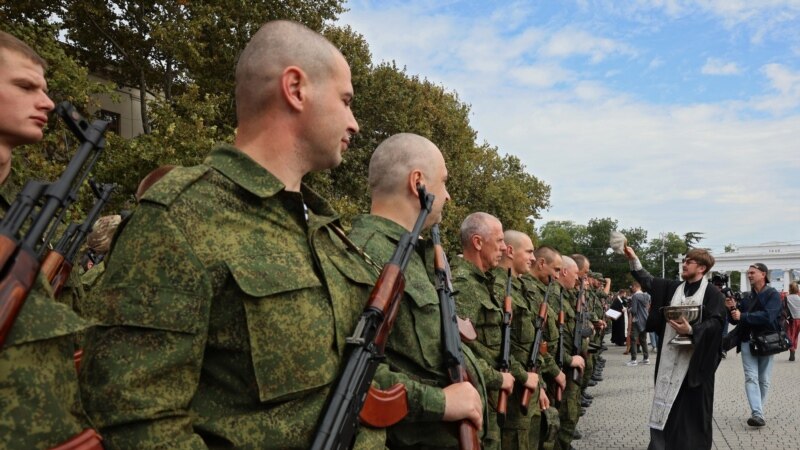
Russia is preparing for a harsh forced mobilisation in occupied Crimea and other seized regions of Ukraine, according to the Ukrainian activist group Vidsich.
The preparations follow a decree signed in late September by Russian President Vladimir Putin, which increased the official size of the Russian armed forces to 2.44 million personnel, including 1.55 million combat troops.
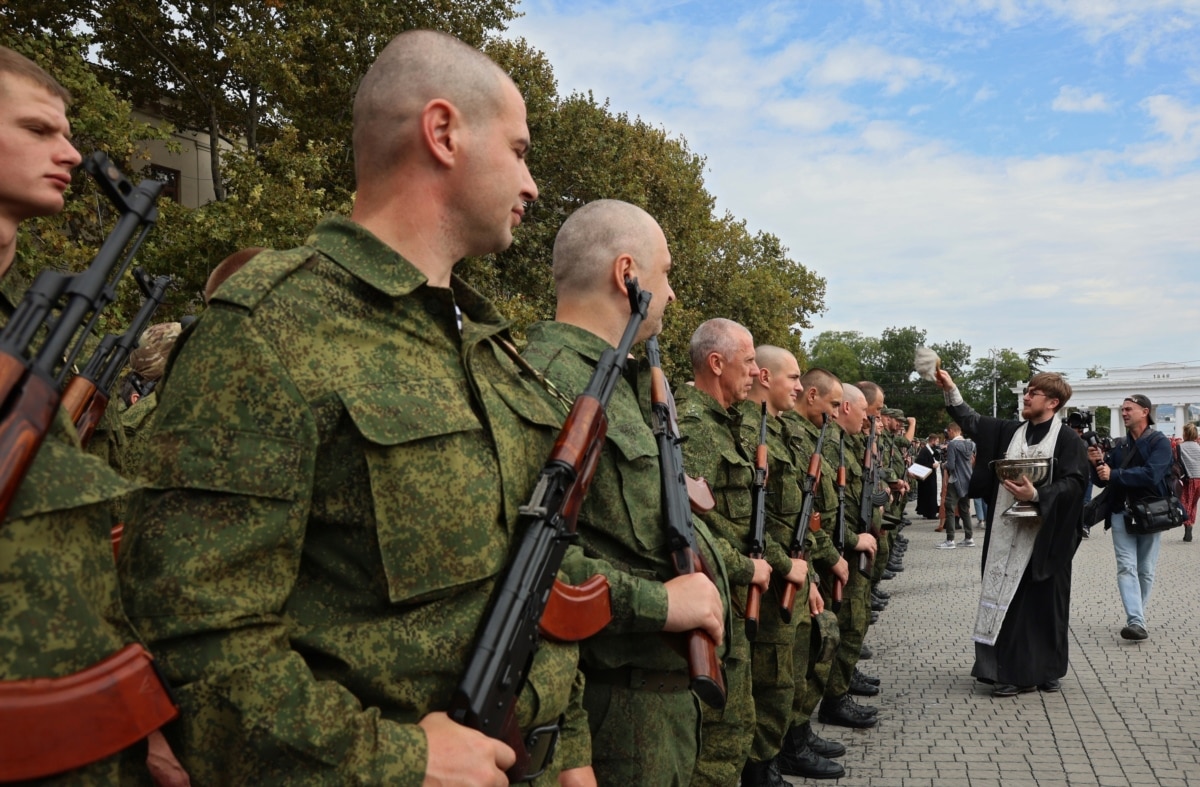
The Kremlin has officially denied plans for an autumn call-up, with Putin describing the reports as nonsense in September and saying there was no scenario that required mobilisation today.
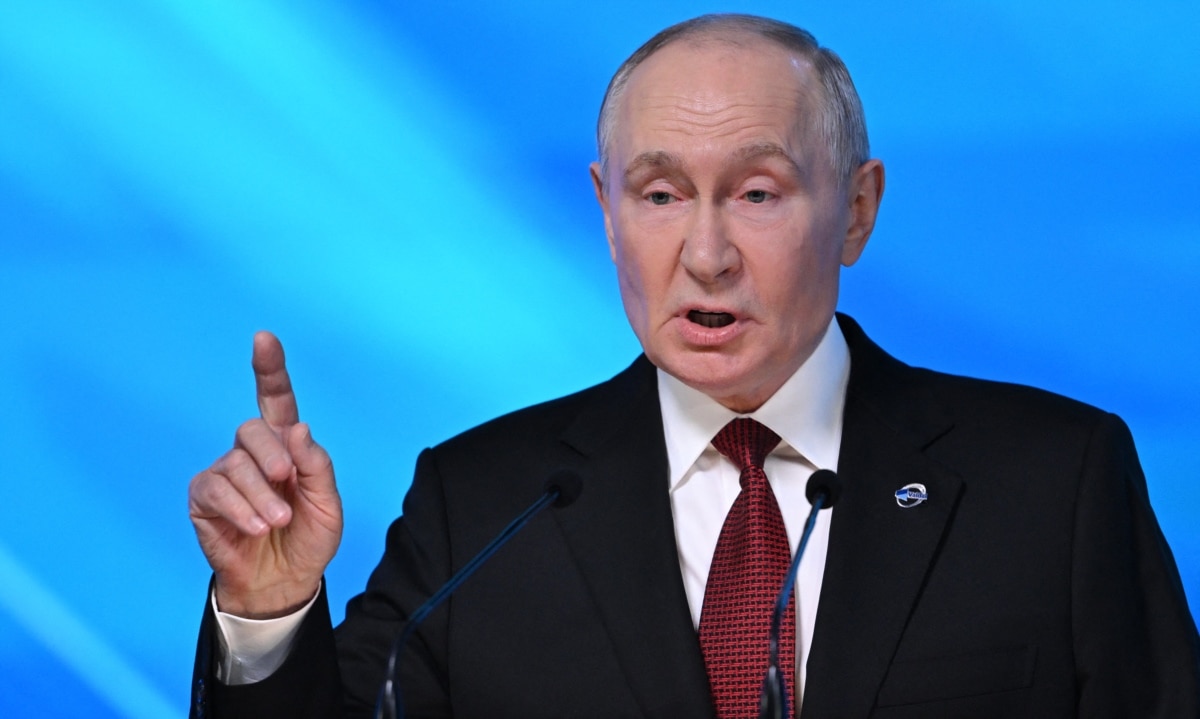
However, Ukrainian President Volodymyr Zelensky said late last month that Russia was increasing its recruitment through various methods, including the use of foreigners. He said Ukraine had new data showing North Korean military personnel were being selected for training and transfer to Russia.
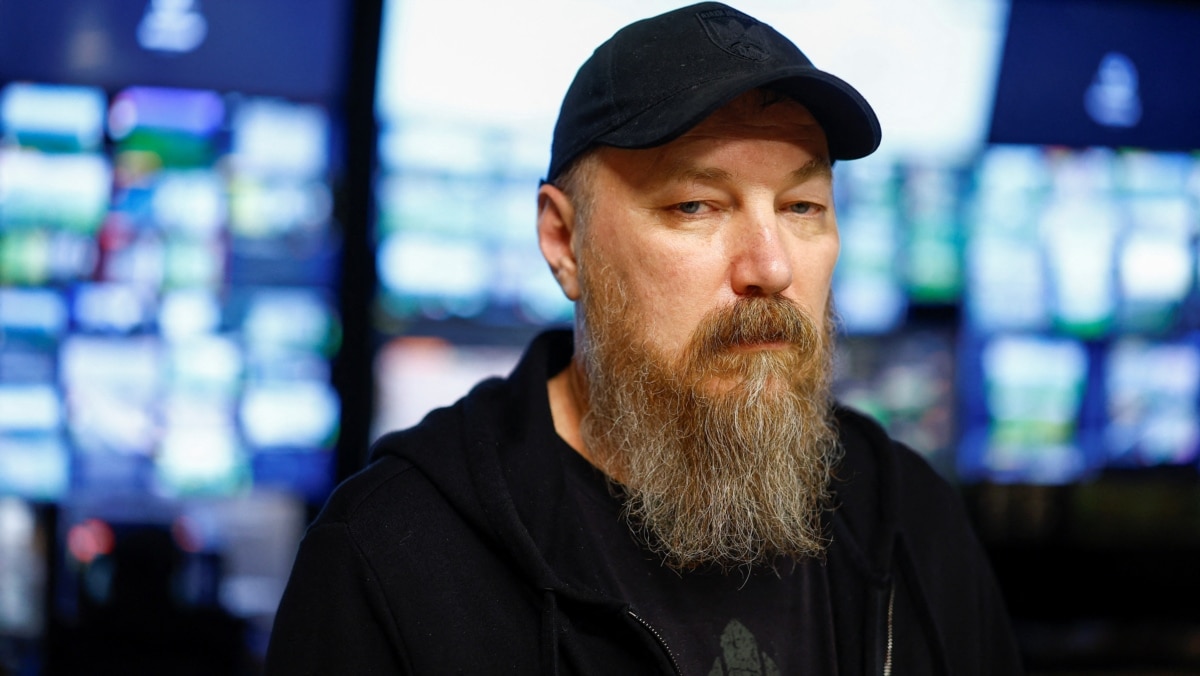
Moscow plans to mobilise 300,000 people by the end of the year, Robert Brovdi, commander of Ukraine's Unmanned Systems Forces, told the Telegraph. Brovdi, who goes by the call sign Madyar, said the covert campaign was shifting into an open phase and that Russian troop numbers would increase substantially starting in October 2026. He predicted that Russian losses would grow because the recruits lacked training.
Mobilisation inventory
In Crimea, Vidsich has reported closed exercises for deploying mobilisation points and the testing of an electronic register for conscripts since the summer.
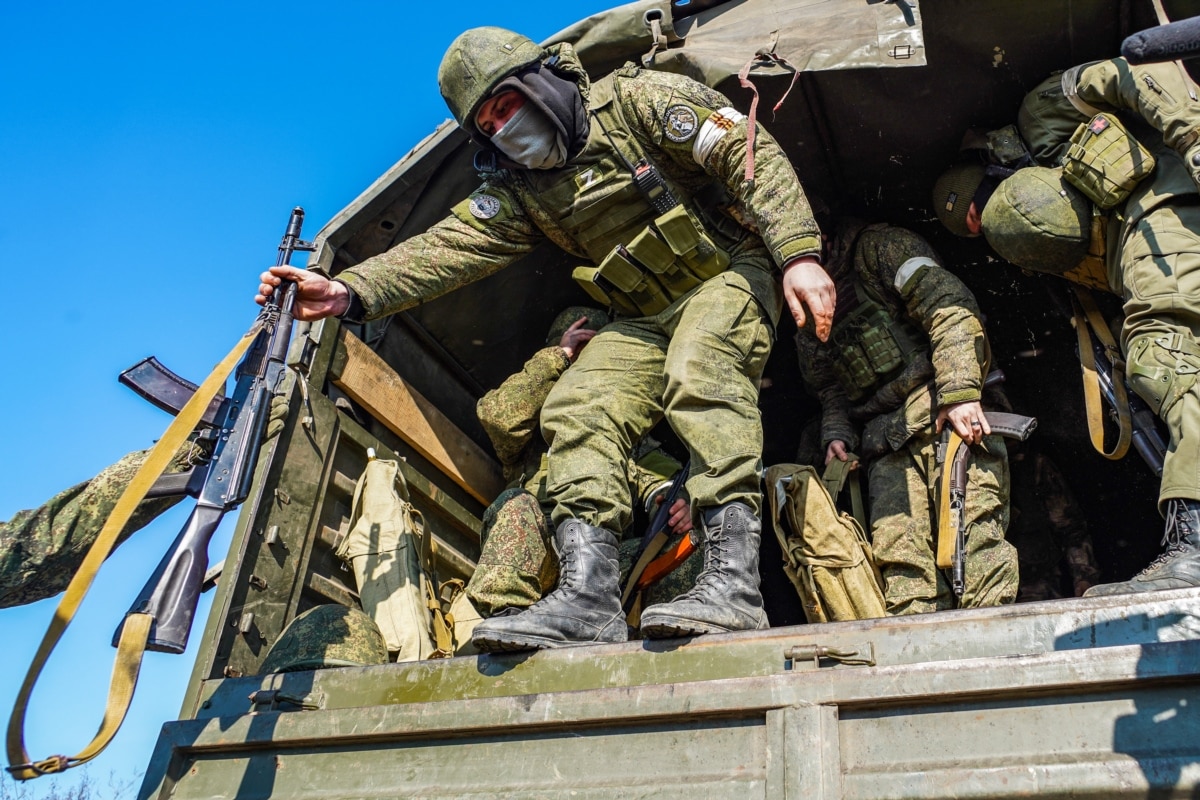
Vidsich said military recruitment centres and occupation administrations were actively discussing mobilisation options, with the primary threat hanging over occupied parts of the Zaporizhzhia, Kherson and Luhansk regions as well as Crimea. The group said Moscow was preparing to use the methods seen in the Donetsk region in early 2022, when exits were sealed in a matter of days and men were seized from streets, shops and workplaces regardless of their age, health or military experience. Vidsich said unprepared men were thrown into battle without equipment, resulting in catastrophic losses.
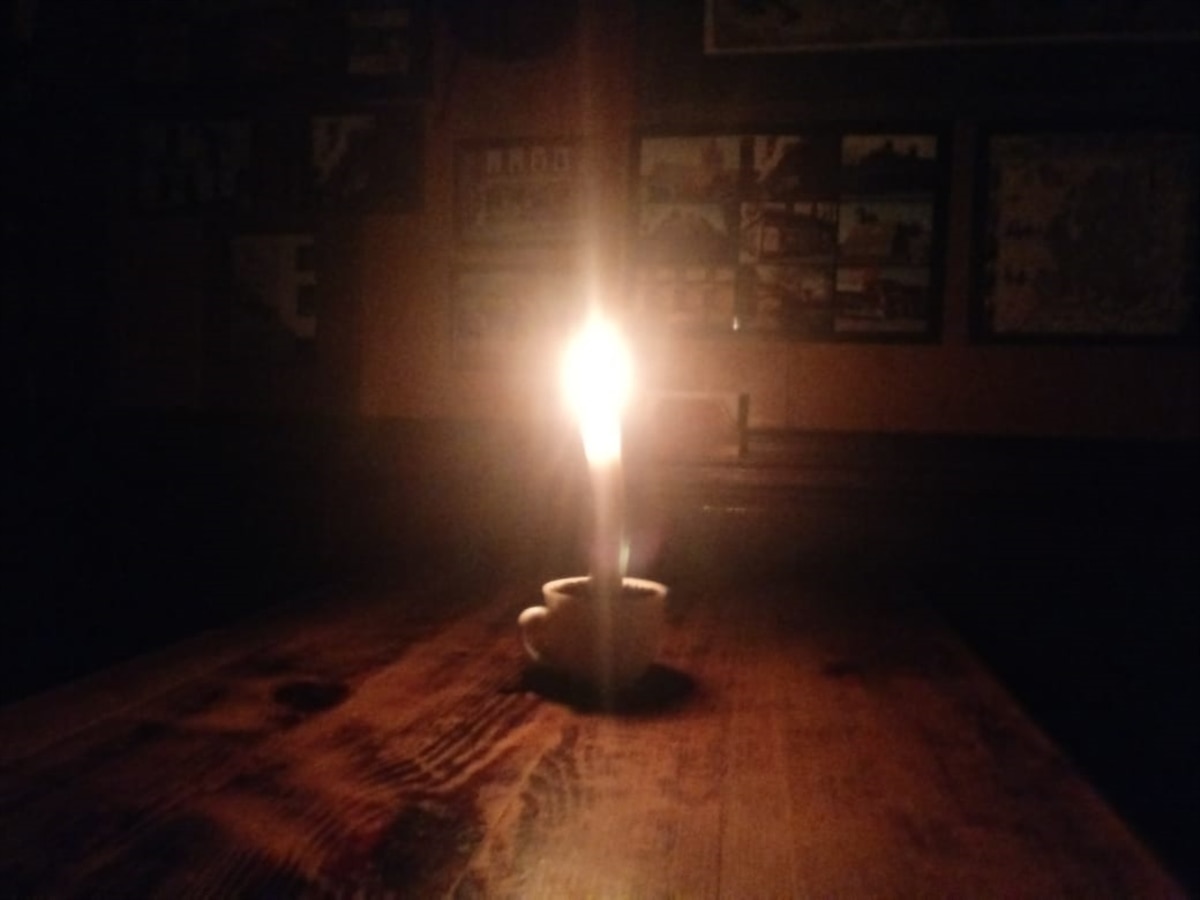
Russian authorities in Crimea recently gathered data on draft-age men during a compensation scheme for a summer energy crisis caused by Ukrainian strikes. Oleksandr Liev, the former Crimean tourism minister, described the door-to-door checks as a mobilisation inventory.
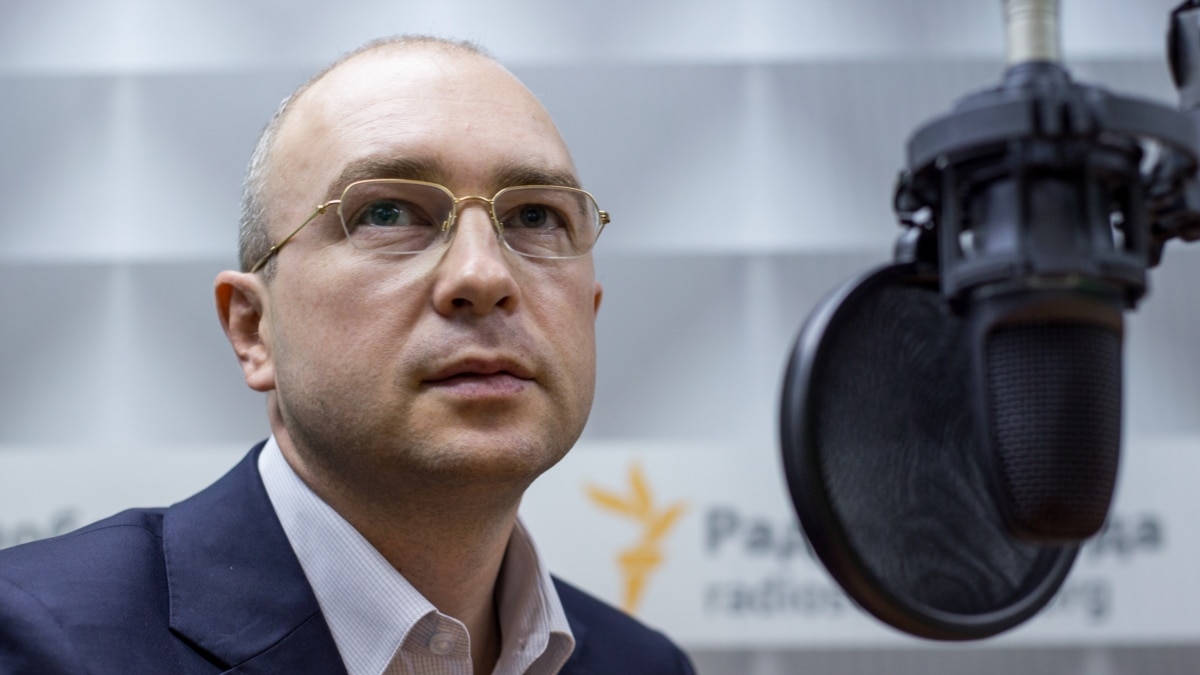
Liev said applicants had to provide details about male relatives, while men were forced to show draft registration stamps and were directed to military recruitment centres to update their details. He said medical workers of both sexes were also required to update their information to receive compensation, providing the occupying authorities with a vast array of current data on hundreds of thousands of residents.
Liev said rumours of a large autumn call-up were regularly circulating in Crimea, citing claims attributed to a drunk recruitment officer in a bar in the Rozdolne district and the wife of a Simferopol recruiter who mentioned it to her manicurist.
Elections and draft notices
The Russian State Duma elections in September provided another route for gathering data. The Russian military blogger Anastasia Kashevarova said a friend was sent a draft registration notice the day after taking part in the electronic vote, noting that this happened despite repeated assurances from the president, the deputy head of the Security Council and the presidential press secretary that there would be no mobilisation.
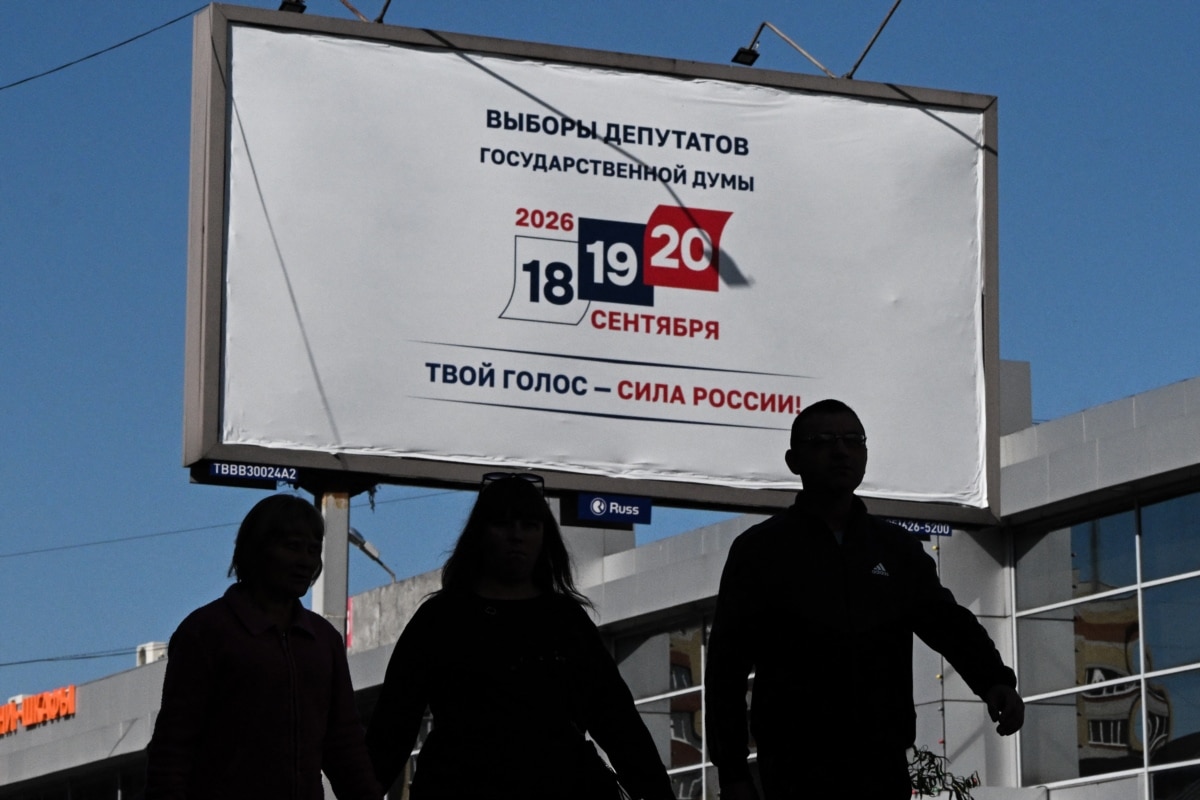
Billboards advertising Russian military contract service have proliferated on Crimean streets and social media since the election.
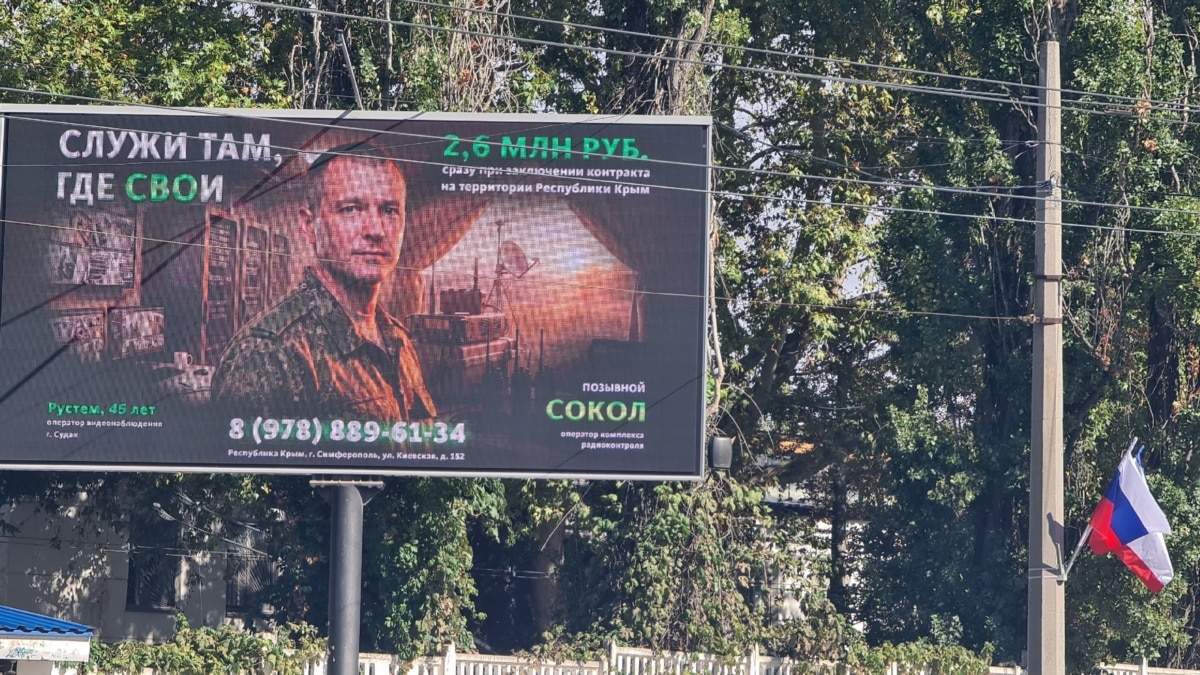
An anonymous Crimean activist told the Krym.Realii project that local recruitment centres and occupation authorities were fully prepared for a new wave of mobilisation and were only waiting for a signal from the Kremlin. The activist said the Russian leadership could not be trusted, pointing out that Putin had previously broken a promise not to raise the retirement age.
Russian media have also reported the mass mailing of draft registration notices to male citizens via the state services portal Gosuslugi.
Eskender Bariev, head of the Crimean Tatar Resource Center, said more than a dozen mobilisation notices had already been issued in northern Crimea, prompting residents to ask his organisation for help leaving the peninsula. Bariev advised people to act before they are placed on wanted lists, which would severely restrict their ability to travel.
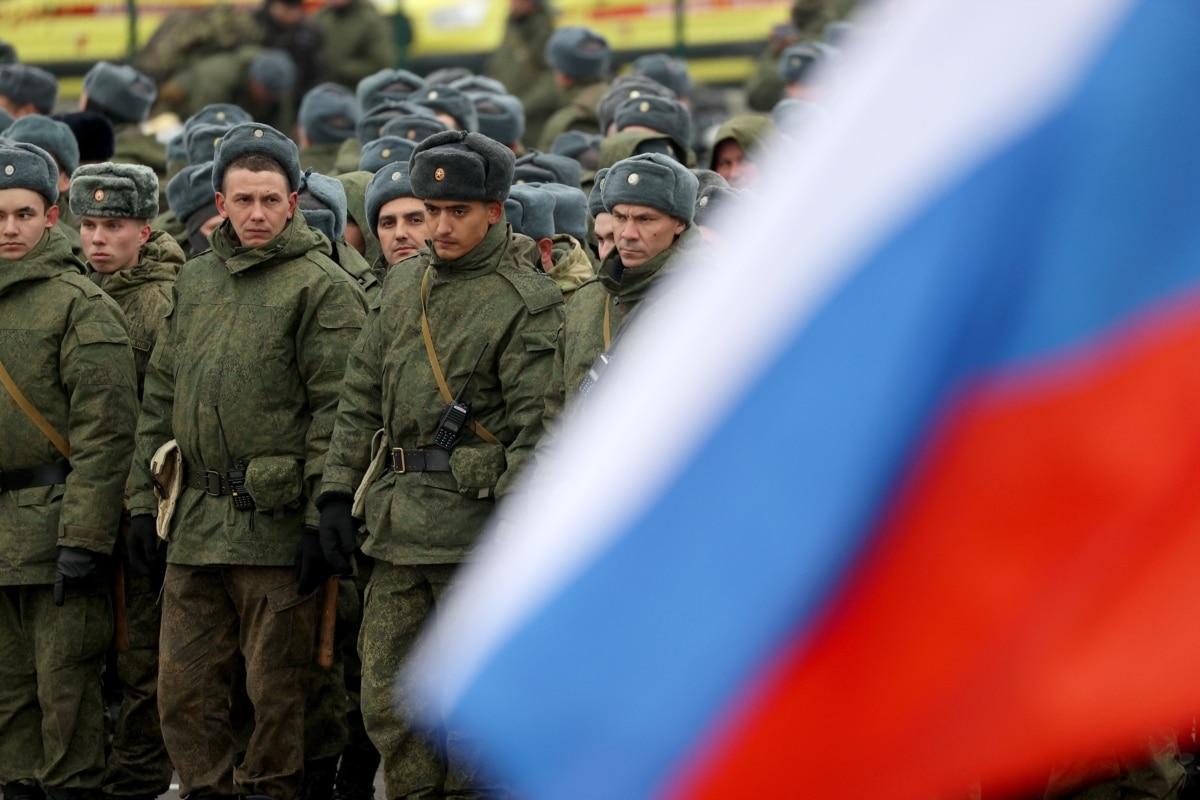
Thousands of Crimean casualties
Russia has mobilised more than 35,000 residents of Crimea since the start of the full-scale invasion, according to Dmytro Usov, secretary of Ukraine's prisoner of war coordination headquarters.
Usov said one in six Russian prisoners of war held by Ukraine was a Ukrainian citizen from the occupied territories, and six percent of those were from Crimea.
The Krym.Realii project has identified more than 2,000 Russian soldiers from Crimea who have been killed in combat. The Mission of the President of Ukraine in the Autonomous Republic of Crimea has confirmed the deaths of at least 3,200 Russian personnel from units based on the peninsula, estimating that 1,500 of them were Ukrainian citizens.
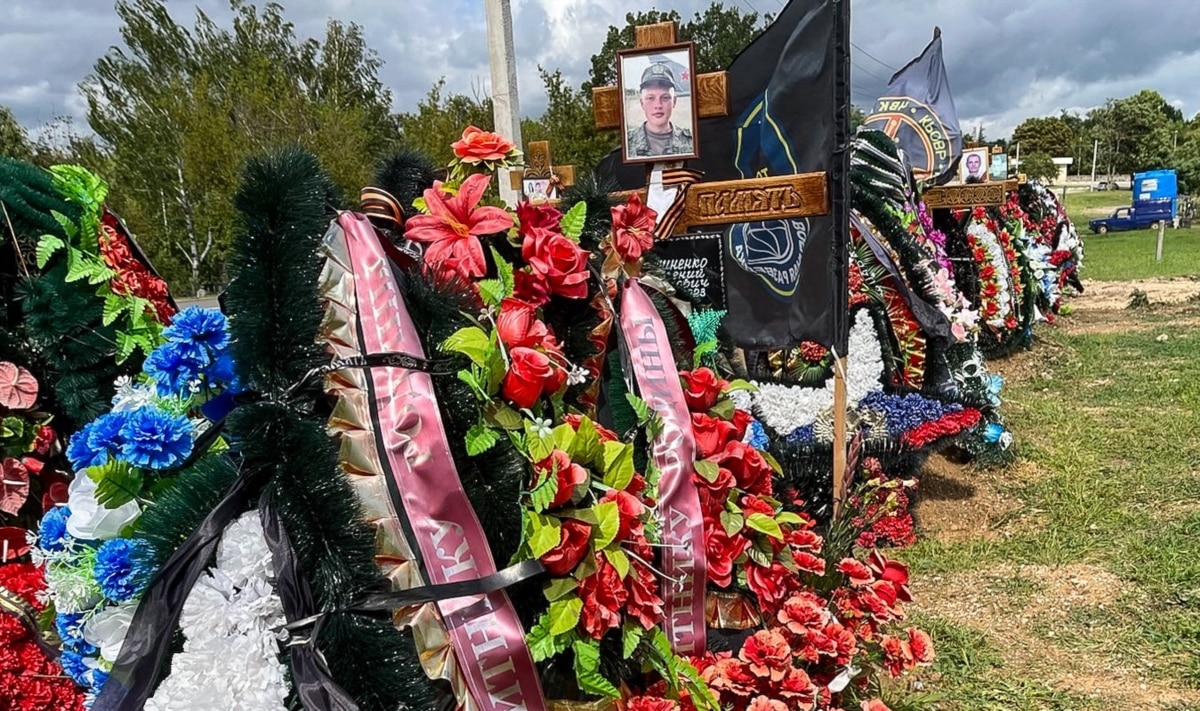
Oleg Ivashchenko, head of Ukraine's defence intelligence, said the average lifespan of a Russian recruit arriving on the battlefield in 2026 was between 20 and 30 minutes.