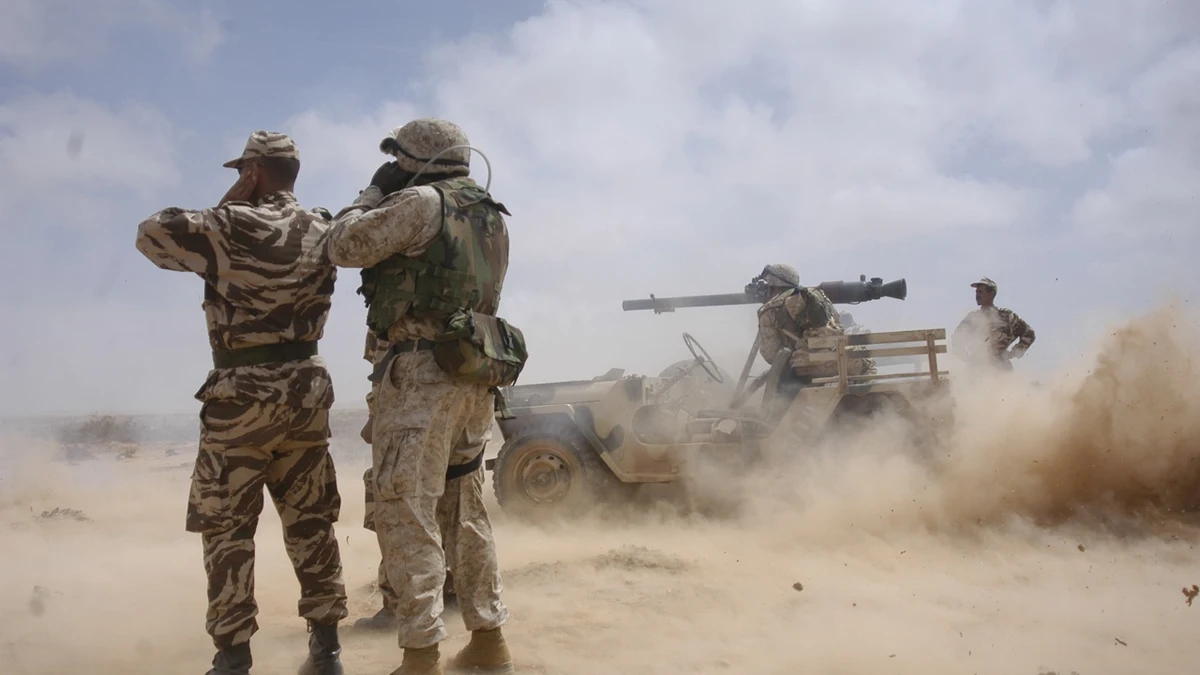
Samuel Ramani, a defense expert at the University of Oxford, said the United States has been the most effective partner in giving Morocco access to stealth weaponry, including drones and precision-guided munitions, as part of the kingdom's drive to modernize its air force.
Ramani made the assessment in an article published by Defense News on 18 August 2021, examining Morocco's push to upgrade its fighter jets, add precision weapons and expand its use of unmanned systems. He said Washington has played a significant role as a technology supplier and military partner in that process.
Drones as a new capability
Unmanned aerial vehicles have changed how surveillance and strike operations are carried out. They can remain over an area for long periods, transmit imagery and track movement on the ground. When armed, they can also hit targets without directly exposing a crew.
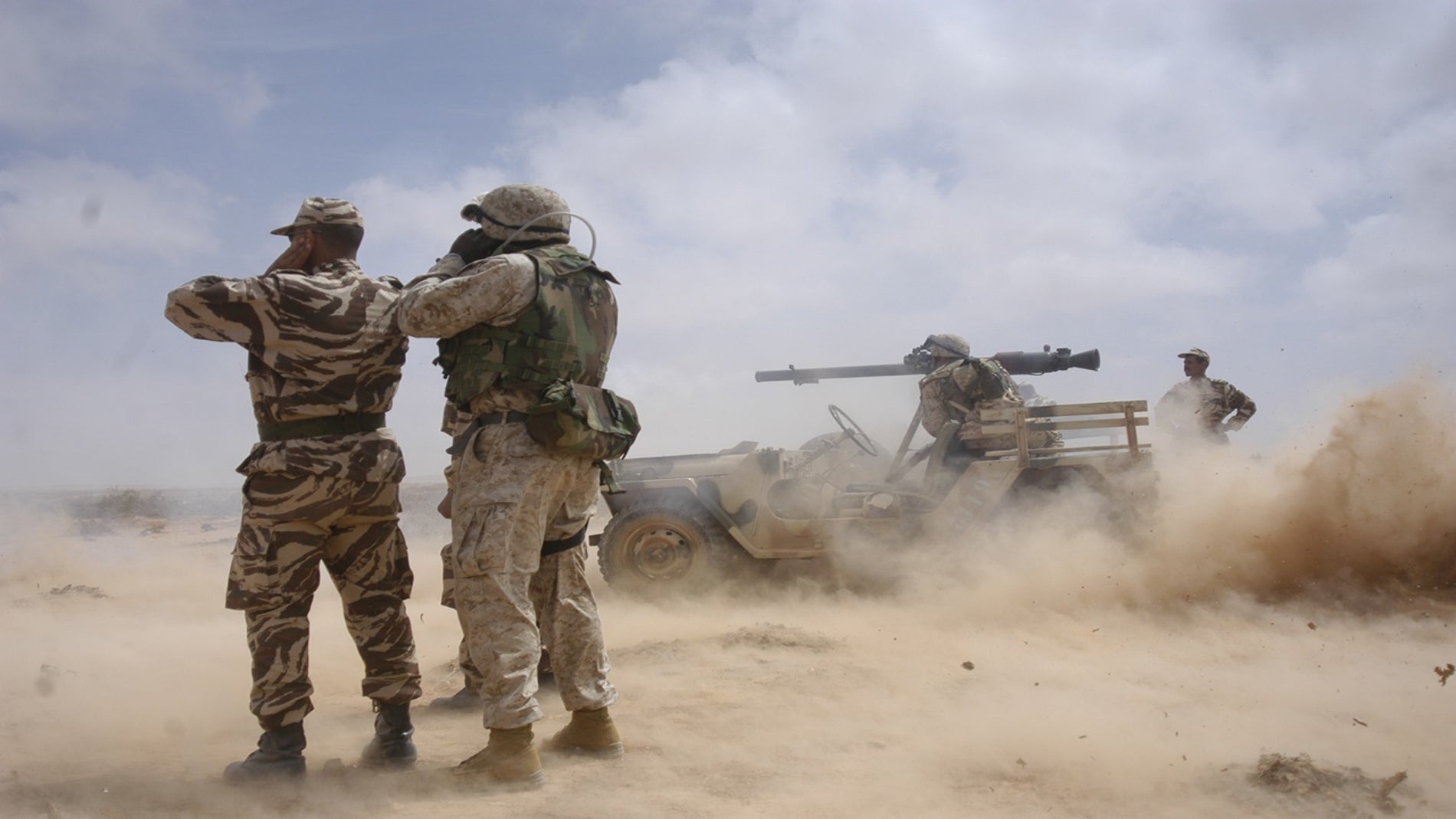
Ramani said Morocco viewed drones as an important part of its modernization effort. His article pointed to the use of an unmanned vehicle in an operation carried out in April 2021 in a desert area of Western Sahara, which he said reflected the growing visibility of unmanned systems in Moroccan operations.
How effective these aircraft are depends on far more than their ability to fly. They need adequate sensors, reliable communications, trained operators and a command structure able to interpret the information they transmit. Armed drones also require munitions, planning and procedures to correctly identify targets.
Washington's contribution
Cooperation with Washington gives Morocco access to technology and weaponry that can improve its aerial capabilities, according to Ramani. Guided munitions allow more precise strikes on targets, while drones widen the scope for surveillance and reconnaissance.
Modernization is not limited to acquiring new platforms, he said. It also involves training crews, maintaining the systems and keeping spare parts available. Integrating the equipment with other surveillance and command assets is essential if it is to function as part of a coordinated air force.
What 'stealth weaponry' means
The term stealth weaponry needs to be read carefully, according to the article. It does not necessarily mean Morocco has a fleet of radar-invisible jets. Instead, the analysis refers to access to advanced systems and capabilities that can reduce exposure or improve the effectiveness of certain operations.
Regional implications
Morocco's evolving air force is of interest to Spain because of geographic proximity and the potential effect on the military balance in North Africa, the article said. Aerial surveillance and precision-strike capability can influence how neighboring countries plan their own defenses.

The article cautioned that acquisitions should be judged against what is actually available. An announced system is not the same as a fully operational capability, it noted, adding that it also matters how many units have been delivered, how well trained the operators are, and how much munitions is on hand.
Ramani concluded that the United States has been an important facilitator of Morocco's aerial modernization. He said how this evolves will depend on political agreements, purchasing decisions, and Morocco's ability to integrate the systems it acquires.
What happens next
Ramani said how Morocco's air force modernization develops will depend on political agreements, purchasing decisions and Morocco's ability to integrate the systems it acquires.
Test yourself
Who is Samuel Ramani, according to the article?
Which country did Ramani say has been most effective in giving Morocco access to stealth weaponry?
Where was an unmanned vehicle used in the operation cited in the article?
Have your say
How do you view the modernization of Morocco's air force with US support?
Where it happened
Rabat, Morocco