Home repair writer Roberto Ugarte reported that cracked ceramic tiles in domestic kitchens and bathrooms can be restored without full removal using specialist filler and matching paint.
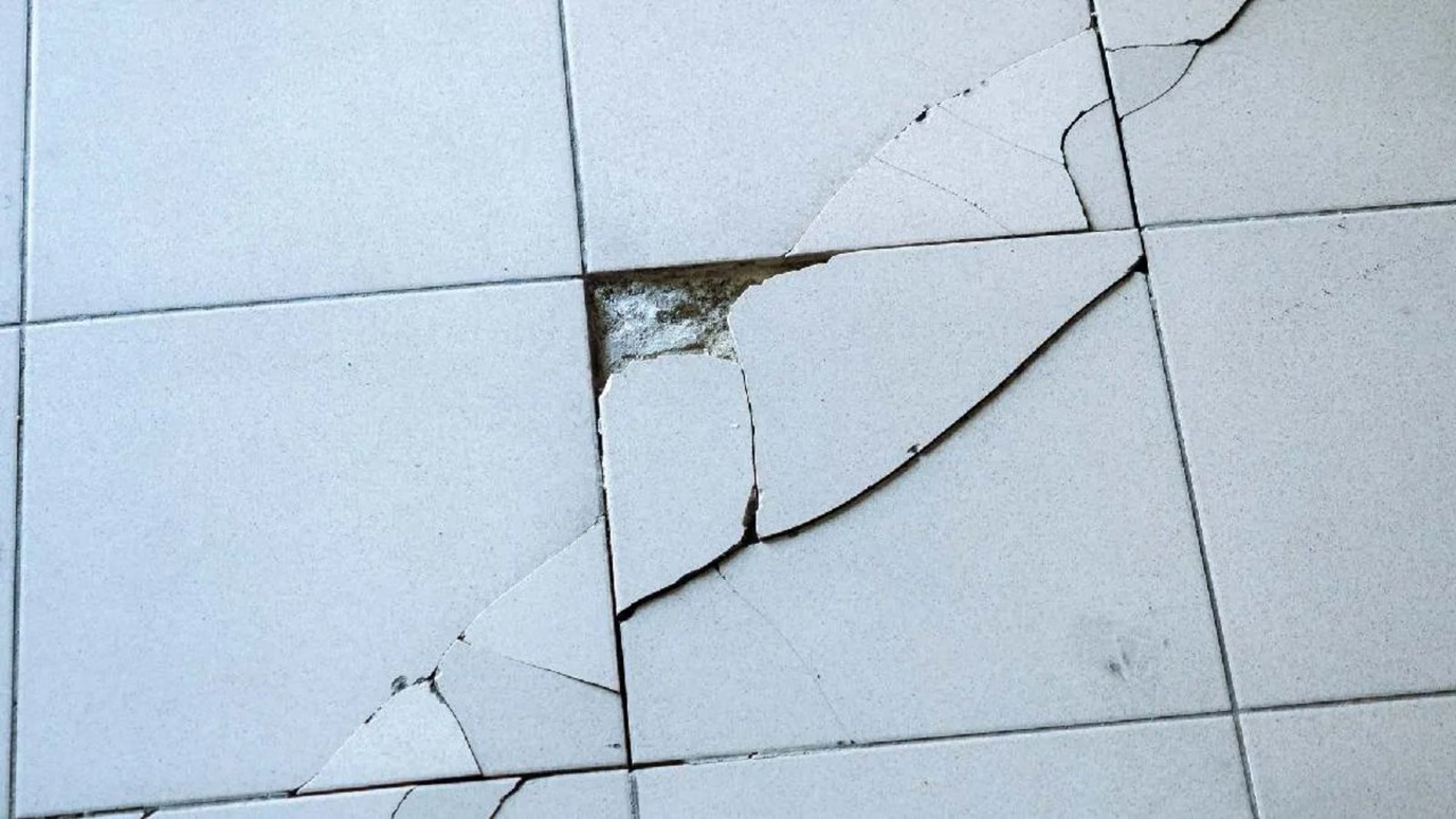
Accidents in the home frequently lead to cracked floor or wall tiles when heavy items are dropped. This creates cosmetic damage in highly visible areas across kitchens, bathrooms and other tiled rooms.
Property owners typically react to surface cracks by searching for spare replacement tiles to dismantle the damaged piece. However, removing a cracked tile creates a risk of breaking adjacent healthy tiles due to the strong adhesive beneath and the physical levering force required during removal.
Repairing ceramic surfaces without tile removal
Ceramic tiles are composed of kiln-fired clay covered with a protective glaze, making full removal an invasive process when damage is minor. The surface restoration alternative uses minimal materials to fill the fissure and blend the repaired section with the surrounding surface.
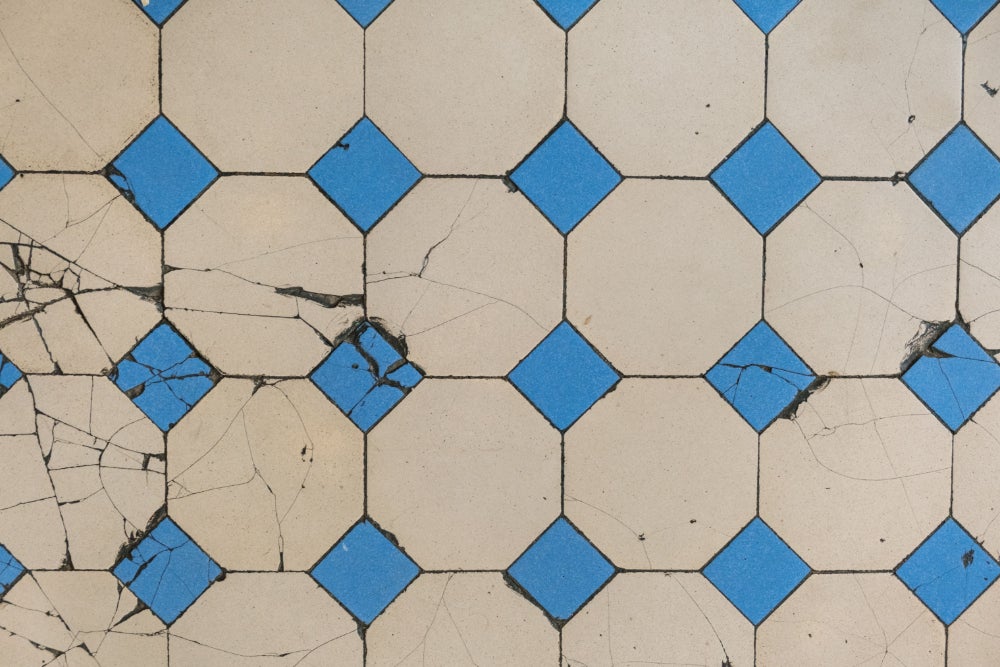
The restoration procedure begins with thorough cleaning of the affected tile area. Ugarte emphasized that grease, dust, soap residue, limescale and dirt must be completely removed so that the repair compound can adhere properly to the ceramic surface.
Once the area is prepared, the crack is filled using putty or paste designed specifically for ceramic materials. A small spatula is used to work the product into the fissure until it sits completely flush with the surrounding tile surface, eliminating the visible gap.
Drying times and surface finishing techniques
DIYers must follow the specific product instructions and allow the putty to dry completely before taking further steps. After the filler has hardened, fine sandpaper is applied across the area to remove surface irregularities and create a uniform finish.
To complete the repair, homeowners can choose between two visual finishing methods. Those interested in decorative contrast can apply the Japanese art of kintsugi, using special lacquer mixed with gold powder or gold leaf to highlight the crack as a design feature.
For purists seeking to preserve the original uniform appearance of the tile, Ugarte advised applying paint or enamel that matches the exact color of the ceramic piece over the filled line. Finer craftsmanship during application produces a seamless final appearance while preserving surrounding wall or floor structures from damage.