

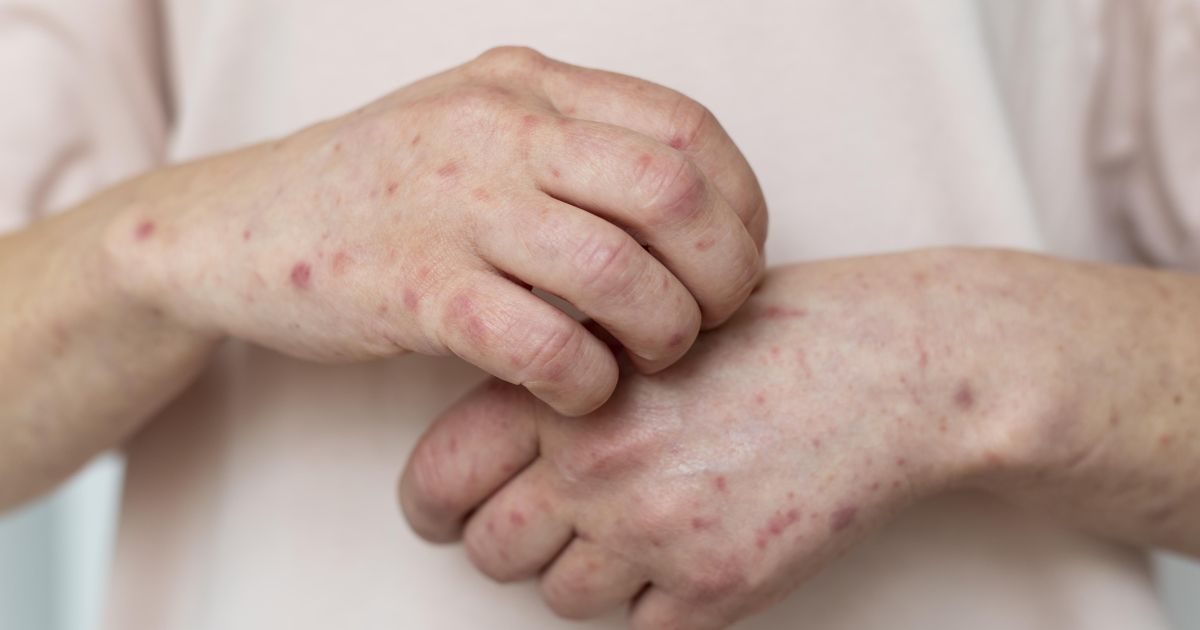
The São Paulo State Secretariat of Health has confirmed two new cases of measles in children under two years old in the state capital. The latest diagnostic confirmations bring the total number of recorded measles cases across the state of São Paulo to 30.
State health authorities reported that 27 of the 30 total cases have been detected within the capital city. The remaining three cases in the state include two in São Bernardo do Campo and one in Guarulhos.
According to the health secretariat, 22 of the 30 patients had no record of vaccination against measles or presented an incomplete vaccination schedule.
Measles is a highly contagious viral infection that spreads through airborne respiratory droplets when an infected person coughs, sneezes, or talks. The virus causes symptoms including high fever, cough, runny nose, and a red rash, and can lead to severe health complications such as pneumonia or brain inflammation in young children.
Active transmission chains
Epidemiological surveillance teams are currently monitoring the two newest cases, which are linked to established transmission chains within the state. Public health officials have identified a total of four transmission chains in São Paulo this year.
The first chain was identified between March and April and was associated with two imported cases. Health authorities closed that initial chain after 12 consecutive weeks elapsed without any new related occurrences.
Three subsequent transmission chains were identified in June, July, and August. These three chains remain under continuous tracking and monitoring by state and municipal health teams.
Surveillance efforts by public health teams include investigating reported cases, identifying and monitoring contacts, and evaluating the need for vaccination and other infection control measures.
In Brazil, primary healthcare and routine immunizations are delivered through local clinics known as Basic Health Units, or Unidades Básicas de Saúde (UBSs). These clinics form the backbone of the public healthcare system, providing free routine vaccinations to neighborhood residents.
Vaccination guidance and age schedules
Although official mass vaccination campaigns against measles have concluded, residents can still receive vaccinations at local Basic Health Units. Health officials emphasized that each age group requires a specific vaccination schedule.
Under special state guidelines, an additional zero dose of the MMR vaccine continues to be administered to infants aged between 6 months and 11 months and 29 days who reside in the municipalities of São Paulo, Guarulhos, and São Bernardo do Campo.
Surveillance teams may also indicate the zero dose for children who have had direct contact with suspected or confirmed measles cases. Health officials stressed that this early dose does not replace the standard vaccination calendar. Children vaccinated before their first birthday must still receive their regular first dose at 12 months and their second dose at 15 months.
For the general population, infants aged 12 months receive the first standard measles dose, followed by a second dose at 15 months. Individuals aged 15 months to 29 years require two registered doses with a minimum interval of 30 days between them. Adults aged 30 to 59 years must have at least one registered dose on their vaccination card, while healthcare workers require two registered doses regardless of their age.


