

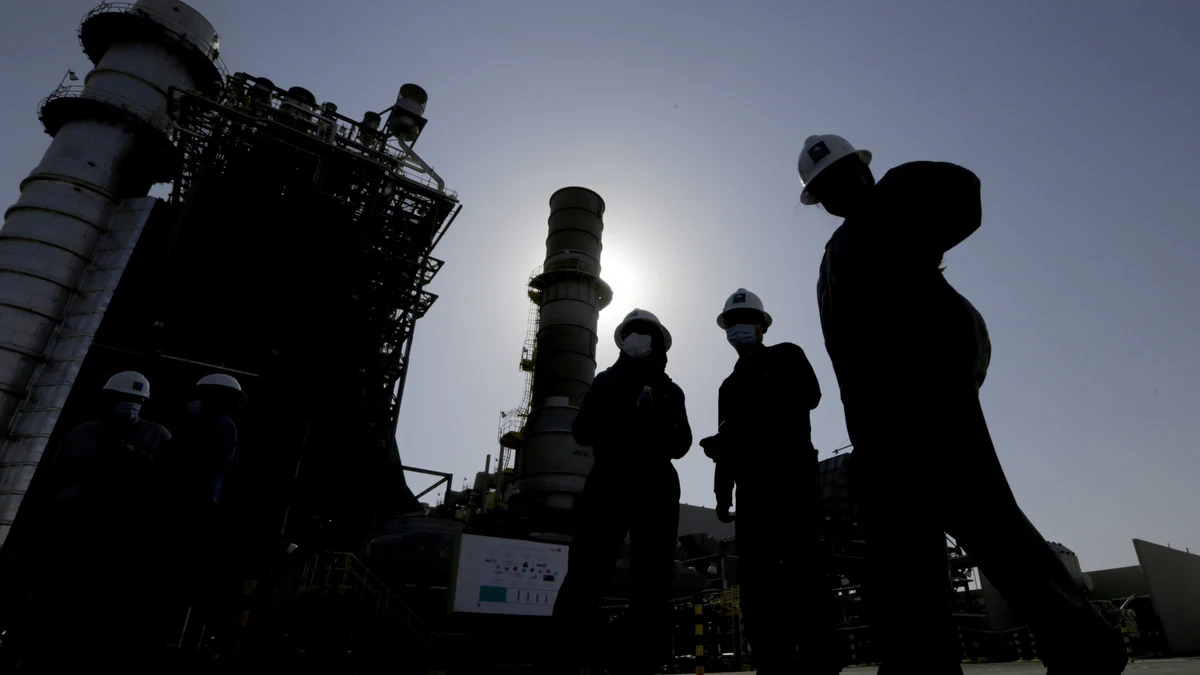
Saudi Arabia has repaired its East-West oil pipeline after attacks earlier this month, restoring crude exports to 3.5 million barrels per day amid ongoing Middle East warfare.
Flows through the vital cross-country pipeline reached the 3.5 million barrels daily mark following the completion of initial repair work, sources speaking to Bloomberg on condition of anonymity said on Monday.
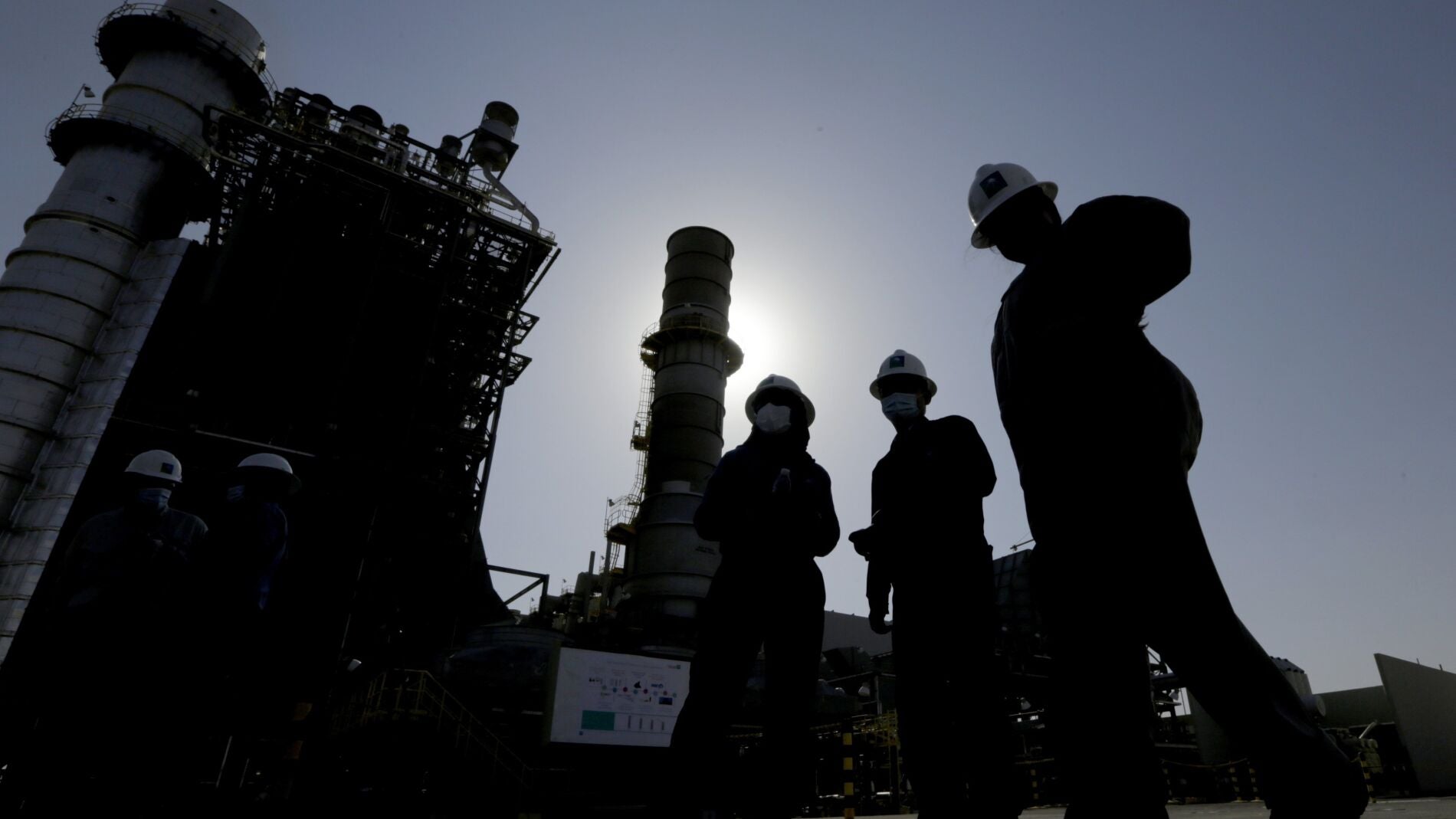
The East-West pipeline has a total capacity of approximately 7 million barrels per day, with around 5 million barrels per day typically dedicated to international exports.
State oil giant Saudi Aramco operates the infrastructure, also known as Petroline, which spans roughly 746 miles across the Arabian Peninsula. The conduit links major oilfields in the Eastern Province on the Persian Gulf directly to the Red Sea port of Yanbu, allowing crude shipments to bypass volatile maritime chokepoints.
Red Sea and Hormuz Export Routes
Resuming operations along the line reactivates a strategic export corridor that Riyadh previously relied upon during the Iran war. The closure of the Strait of Hormuz forced the Organization of the Petroleum Exporting Countries' top oil producer to divert its crude oil streams toward Red Sea terminals.
The Strait of Hormuz is a narrow waterway situated between Oman and Iran that connects the Persian Gulf with the Gulf of Oman and the Arabian Sea. Prior to the current war, approximately 20 percent of the world's total hydrocarbon supplies passed through the passage each day, making it the most critical maritime oil transit chokepoint globally.
A full resumption of the East-West pipeline could take around six weeks, according to another source consulted by Bloomberg. Transit through the Strait of Hormuz remains high risk due to sporadic attacks continuing along the waterway.
Houthi Offensive and Market Reaction
Despite ongoing risks, Saudi Arabia utilised the Strait of Hormuz during September to boost its total crude exports to a wartime high of 5 million barrels per day. The majority of those shipments were dispatched to Asian energy markets.
The turn back toward Persian Gulf routes occurred after Yemeni Houthi rebels threatened shipping lanes through the Red Sea and the Bab al-Mandeb Strait. The rebel movement intensified its offensive against Saudi energy infrastructure while attempting to enforce a maritime blockade against the kingdom along the trade route.
The Houthis are an armed Shia Islamist movement based in Yemen that controls much of the country's north, including the capital Sanaa. The Bab al-Mandeb Strait is a strategic sea lane linking the Red Sea to the Gulf of Aden and the Indian Ocean, serving as a primary maritime gateway between Europe and Asia.
Global crude oil prices remained elevated despite the partial reopening of the pipeline. Brent crude traded at $107.66 per barrel after rising 3.20 percent on Monday.
Brent crude serves as the major international benchmark for global oil pricing. Higher prices reflect persistent trader concerns over supply security, ongoing military engagements, and potential secondary disruptions across Middle Eastern energy production infrastructure.


