

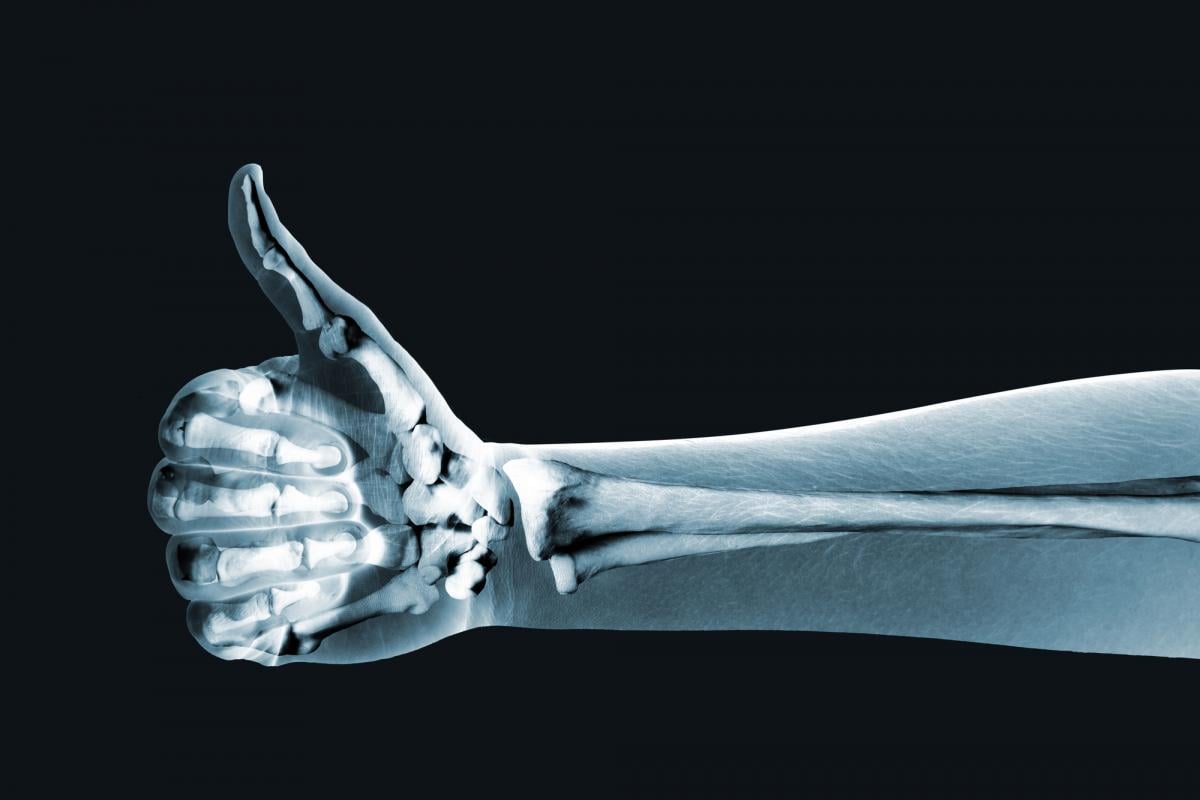
Scientists cited by health publication Health have named seven daily foods that can help maintain bone strength and prevent the loss of mineral density as people age.
Incorporating items rich in calcium, vitamin D, magnesium, vitamin K, phosphorus, and protein can protect skeletal health over time. Researchers emphasized that targeted nutrition becomes vital as natural aging reduces bone mineral content.
Bone mineral density measures the structural strength and amount of minerals present in bone tissue. Throughout adulthood, bones undergo a constant biological process of remodeling, where old bone tissue is broken down and replaced. As people age, bone breakdown begins to outpace new bone formation, increasing the risk of structural weakness and fractures.
Prunes and canned fish options
Plums and prunes provide significant protection for bone health, particularly in postmenopausal women. In one study, postmenopausal women who ate four to six plums daily retained bone mineral density in their hips better than those who did not. Following menopause, declining estrogen levels accelerate bone loss, making protective foods especially beneficial. Prunes also supply vitamin K, which helps the body properly utilize calcium during bone formation, alongside antioxidant compounds that reduce internal inflammatory processes.
Sardines deliver multiple bone supporting nutrients in a single convenient food source. Because canned sardines are packaged with small bones that are soft and edible, a single can provides approximately 35 percent of the recommended daily intake of calcium. Calcium forms the primary physical foundation of skeletal tissue. In addition, one can of sardines contains vitamin D, an essential nutrient needed for calcium absorption, along with about 22 grams of protein.
Canned salmon containing soft bones serves as another concentrated source of vital nutrients. A serving weighing about 85 grams provides roughly 13 percent of the daily value for calcium and up to 80 percent of the recommended daily vitamin D intake. That same portion also supplies about 17.5 grams of protein, contributing to daily amino acid needs.
Plant based protein and dairy foods
Tofu provides an effective plant based alternative for individuals seeking bone nutrients without consuming animal products. Certain varieties of tofu are prepared using calcium sulfate as a coagulant, significantly boosting their mineral concentration. Half a cup of raw tofu made with calcium sulfate can provide more than 33 percent of the recommended daily calcium allowance.
Milk has long been recognized as a traditional staple for maintaining strong bones. A single cup of milk provides about 24 percent of the daily recommended calcium intake and more than 8 grams of protein, with many commercial varieties fortified with additional vitamin D. Milk is also a key source of phosphorus. Phosphorus works directly alongside calcium to form hydroxyapatite crystals, the complex calcium phosphate compounds that give human bone tissue its strength and structural rigidity.
Yogurt offers a simple daily option for increasing both calcium and protein consumption. A serving of plain low fat yogurt measuring about three quarters of a cup supplies roughly 22 percent of daily calcium needs and about 7 grams of protein, while select commercial brands contain added vitamin D. A comprehensive review of medical research linked higher regular yogurt consumption to a reduced risk of hip fractures among older women.
Beans, lentils, peas, and other legumes help supply the body with magnesium, another critical mineral for long term bone tissue health. Research demonstrates that magnesium plays a role in supporting bone matrix structure and maintaining normal levels of the active form of vitamin D in the body. Adequate magnesium intake is linked with improved bone mineral density. Beyond magnesium, legumes contain plant protein required to support both bone matrix maintenance and healthy muscle mass.
Daily intake targets and age requirements
Health experts outlined specific daily nutritional targets required to maintain skeletal strength across different age groups. Adults aged 19 to 50 require 1,000 milligrams of calcium each day, a target that rises to 1,200 milligrams for individuals aged 51 and older. Daily vitamin D recommendations stand at 15 micrograms for adults between 19 and 70 years old, increasing to 20 micrograms for those aged 71 and above.
The guidelines also specify a daily intake of 700 milligrams of phosphorus and 90 micrograms of vitamin K. Daily magnesium requirements are set at 310 milligrams for adults aged 19 to 30 and 320 milligrams for those aged 31 and older. General dietary recommendations suggest a baseline protein intake of at least 0.8 grams per kilogram of body weight per day.
Scientists previously noted that adults over 50 require higher daily protein intakes, ranging between 1.2 and 1.6 grams per kilogram of body weight. Failing to meet daily protein needs in older age can lead to muscle loss and make simple routine domestic tasks difficult to perform. Separately, rheumatologists cautioned that while joints can handle substantial physical loads, common movement errors can contribute to joint wear and breakdown over time if not properly managed.


