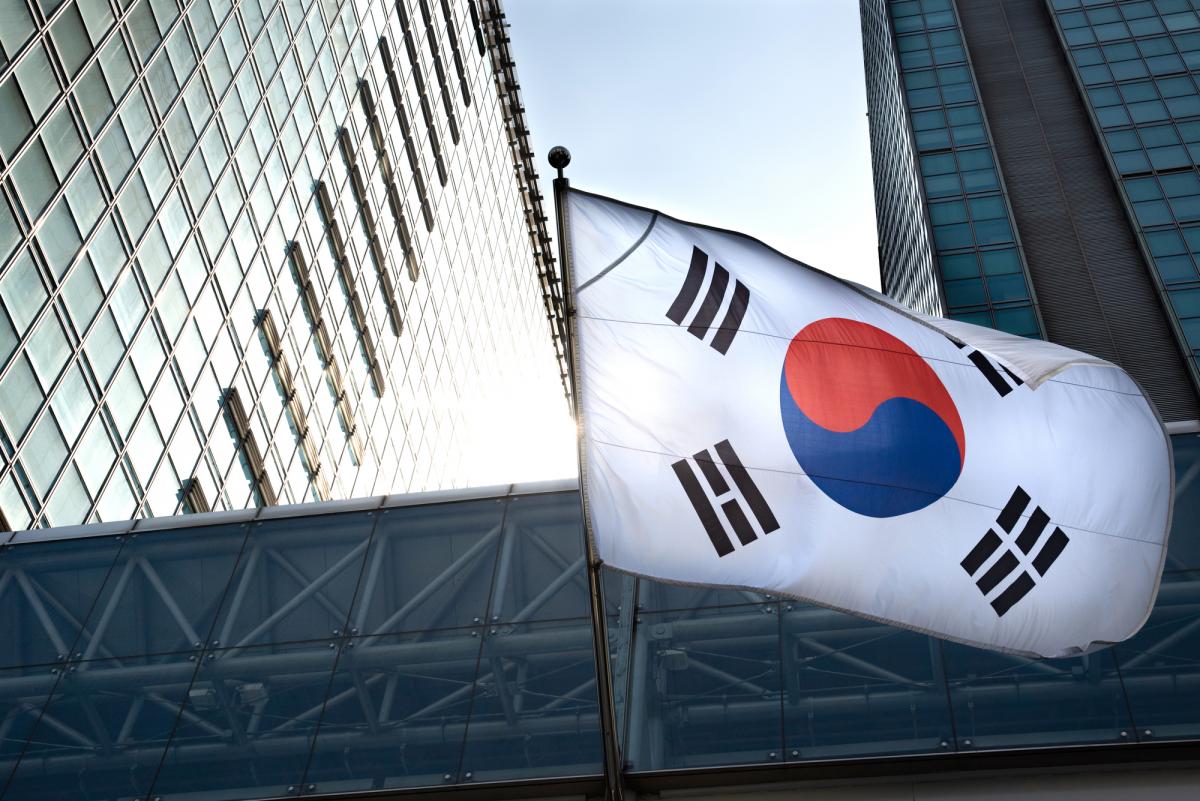
South Korea has denied reports that petroleum products were shipped to Russia through its ports, insisting it complies with international sanctions against Moscow.
The presidential office in Seoul called accusations of fuel exports inappropriate, according to news agency Reuters, following reports that sanctioned vessels loaded fuel at South Korean harbors.
Ukraine's chief sanctions officer, Vladyslav Vlasiuk, said the shipments could have weakened the impact of a fuel crisis in Russia caused by Ukrainian drone strikes on Russian oil refineries.
His statement followed a report by British newspaper The Guardian, which cited port documentation and vessel tracking data indicating fuel was loaded onto seven tankers at South Korean ports.
Among the vessels were ships currently under sanctions imposed by the United Kingdom and the European Union. The report stated South Korea was Russia's second largest fuel supplier in August, behind India.
Investigation into export control rules
South Korea's presidential office stressed that Seoul has consistently applied sanctions and export control measures against Russia in coordination with the international community since the full-scale invasion of Ukraine began.
Authorities in Seoul have nevertheless started an investigation into the circumstances surrounding the fuel shipments to establish whether export control rules were broken. Officials stated necessary measures would be taken if violations are confirmed.
South Korea is a major East Asian economy that maintains strong trade links globally while aligning with international sanctions regimes. Petroleum products comprise refined fuels such as gasoline and diesel, which are monitored under global export restrictions.
Diplomatic strain between Seoul and Kyiv
The dispute arrives amid broader diplomatic strain between the two nations. Last month at the United Nations General Assembly in New York, Ukrainian President Volodymyr Zelenskyy announced that Ukraine had handed two North Korean prisoners of war to South Korea.
Seoul accused Kyiv of breaching a confidentiality agreement governing the prisoner transfer. Ukrainian officials maintained no such agreement existed, leading Seoul to summon Ukraine's ambassador and demand a formal apology.