


Nearly two-thirds of Spaniards have purchased second-hand clothing through online stores over the last three years, according to a new consumer report from ING.
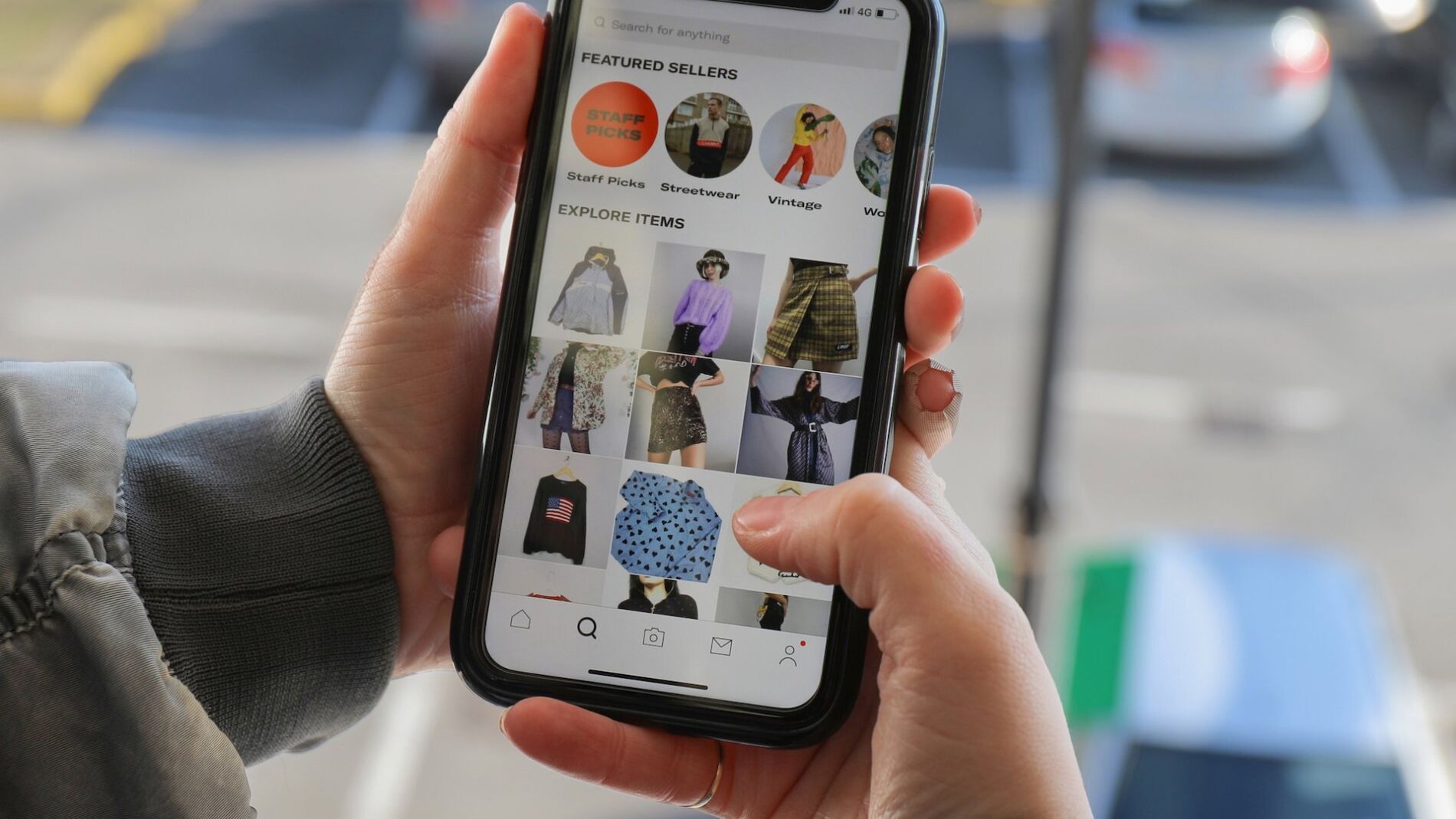
The Consumer Research 2026 study on consumption and fast fashion revealed that 64 percent of the population in Spain has used digital channels to buy pre-owned apparel. The findings reflect a broader shift in consumer habits as buyers increasingly embrace circular re-commerce platforms alongside conventional retail channels.
Despite low-cost fast fashion retailers reaching half of all households in Spain, 61 percent of consumers viewed it positively when fast fashion brands establish their own product resale programs. Shoppers increasingly link their secondhand purchases to growing concerns over the environmental consequences of high-volume garment manufacturing.
Environmental impact and ethical manufacturing
To curb excessive consumerism and its ecological impact, nearly 60 percent of survey respondents stated that consuming fewer clothes is the single most effective measure to reduce fashion's environmental footprint. Global apparel production has long drawn scrutiny for intensive water consumption, chemical use, and textile landfill waste.
Ethical considerations also play a significant role in consumer decisions across Spain. The report recorded that 55 percent of citizens worry about the labor conditions under which clothing is manufactured. Additionally, 45 percent of respondents indicated they would be willing to pay higher prices for clothing items produced according to verified ethical and sustainable standards.
Second-hand growth in furniture and electronics
Second-hand purchasing in Spain extends well beyond fashion. The ING study highlighted that pre-owned shopping is advancing across multiple retail categories, including furniture, home decorative items, electronic devices, and books.
Lower pricing compared to purchasing new merchandise represents the primary attraction for buyers choosing second-hand goods across all categories. Discounted prices allow consumers to manage household budgets amid wider cost of living pressures.
However, specific barriers continue to restrain broader adoption among potential buyers. The survey noted that many consumers express doubts regarding the actual quality of pre-owned items, while others fear that the physical condition of products will not match descriptions provided in seller advertisements.
Role of financial research and re-commerce platforms
ING, the Netherlands-based multinational financial institution behind the survey, regularly monitors retail economics, consumer behavior, and personal finance trends across European markets. Its Consumer Research series evaluates how macroeconomic pressures and environmental awareness shape household spending choices.
The growth of pre-owned trading has also driven substantial investment in secondary market platforms. E-commerce giant eBay previously acquired social fashion marketplace Depop in a deal valued at more than 1 billion dollars, underscoring the expansion of digital peer-to-peer apparel sales across international markets.
As digital marketplaces implement clearer seller verification rules and improved buyer protection policies, industry observers expect secondary trade in fashion, home goods, and technology to become an increasingly standard component of retail strategy across Europe.


