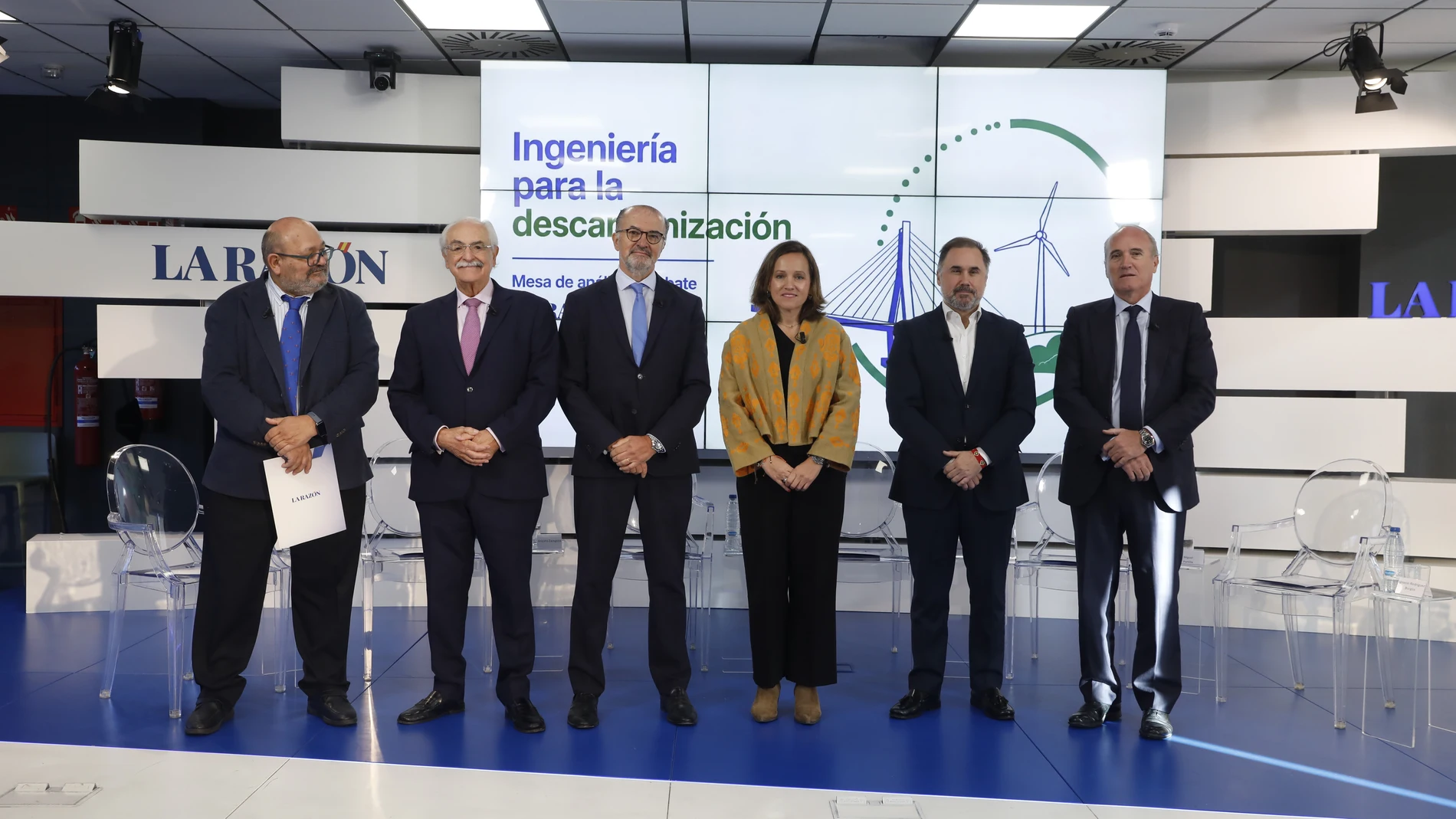
Spanish engineering firms hold the expertise needed to turn decarbonization targets into real infrastructure projects, but the sector faces obstacles in regulation, power grids and public procurement, according to participants at a round table organized by LA RAZÓN.
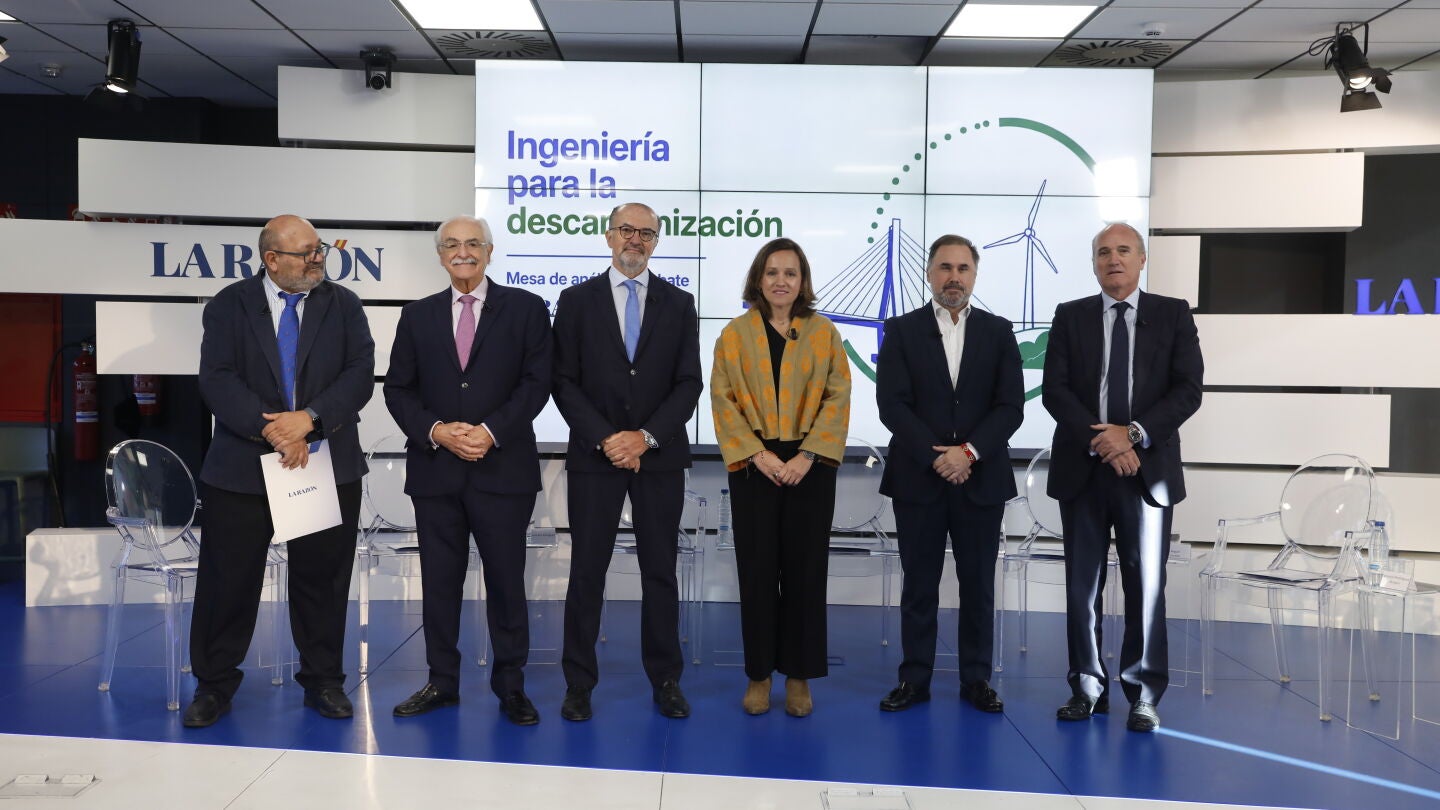
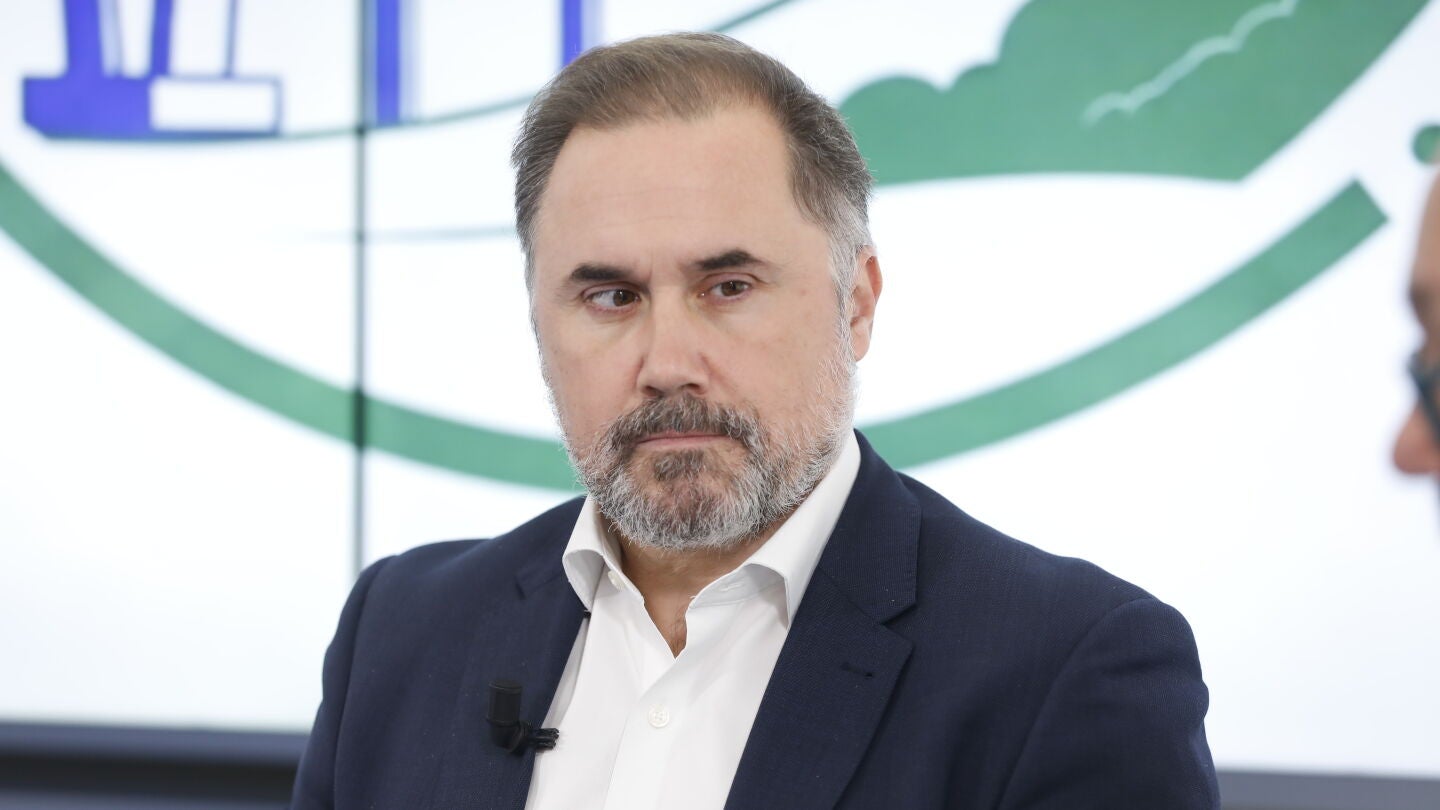
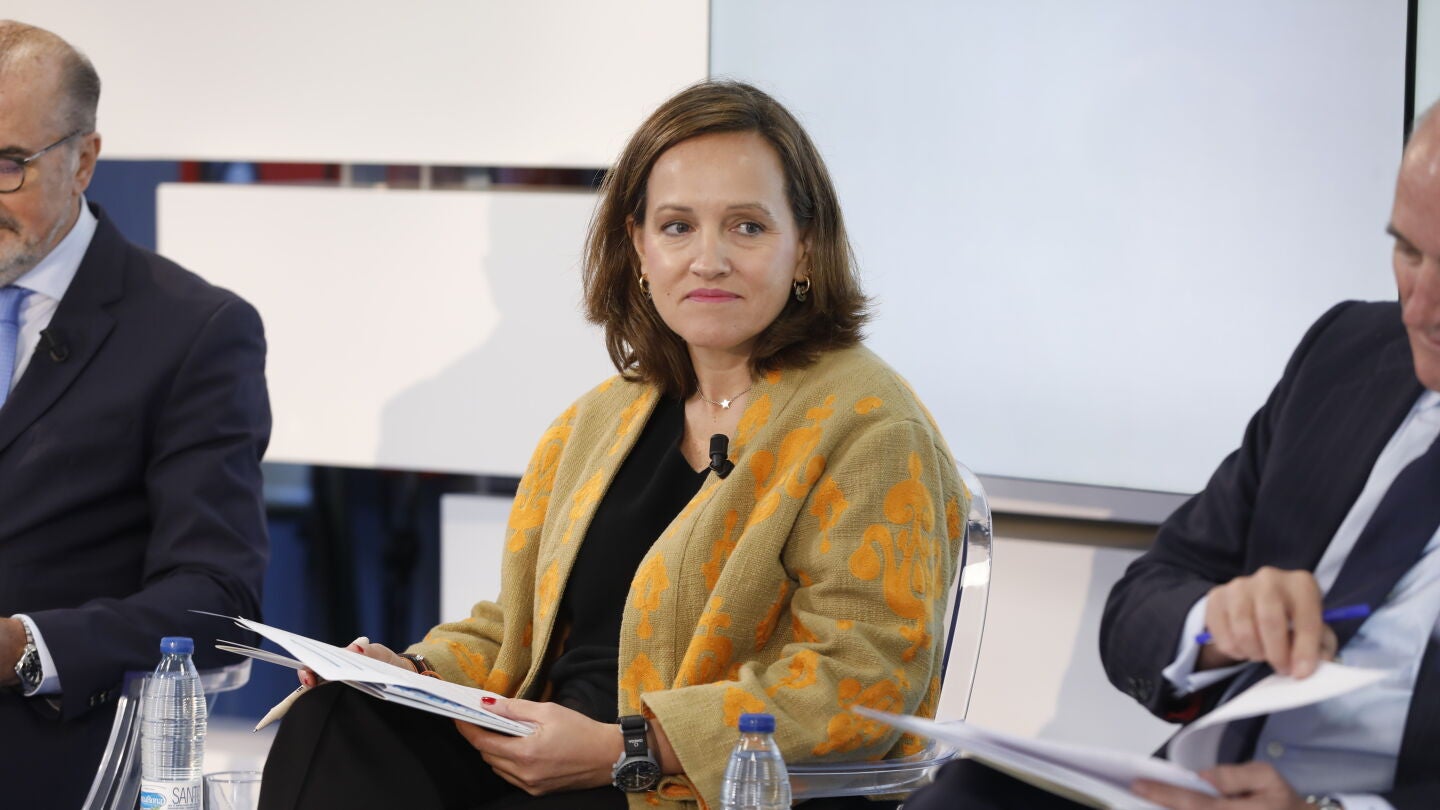
The discussion, titled "Engineering for Decarbonization," brought together Miguel Portilla, sustainability manager for Construction, Water and Concessions at Acciona; Julian Nunez, president of the construction employers' association Seopan; Elena de la Pena, deputy technical director of the Spanish Roads Association; Jose Trigueros Rodrigo, secretary of the Institute of Engineering of Spain and president of the Association of Civil Engineers; and Aniceto Zaragoza, a counselor at the Civil, Canal and Port Engineers' Association.
Portilla said the energy transition rests on four pillars: technology, regulation, attracting investment and qualified workers. He pointed to Spain's experience managing water scarcity, noting that Acciona alone has designed and built more than 90 desalination plants worldwide, including five among the largest in the world, along with more than 350 wastewater treatment plants and over 125 drinking water plants.
Spain's global infrastructure footprint
Nunez said Spain ranks third in the world for international revenue earned by infrastructure companies, generating more than 100 billion euros and operating in 65 countries, with activities spanning design, construction, financing and operation.
De la Pena said Spain's varied geography and climate have given its firms knowledge that applies globally. Zaragoza said much of what Spanish firms sell and build abroad stems from work already done at home, while Trigueros singled out maintenance as essential to cutting carbon emissions.
Panelists identified public procurement as a major obstacle, since contracts are still largely decided on upfront price. Portilla called for broadening award criteria to account for an asset's full life cycle, including operating and maintenance costs and emissions, rather than just short-term investment cost. He said the main problem in the water sector is not technology but planning and coordination between public bodies and companies.
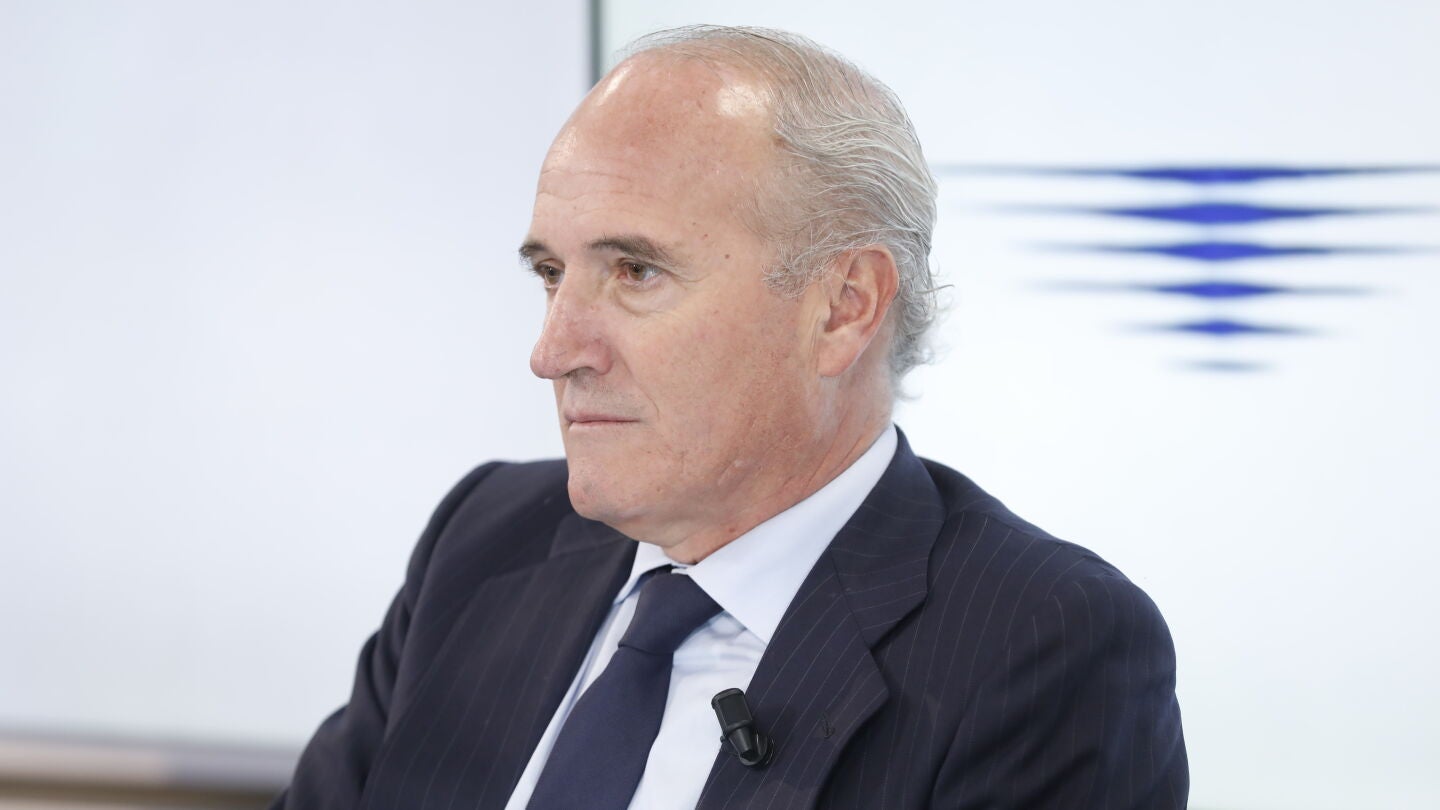
Nunez put the investment needed over the next decade to decarbonize the Spanish economy at more than 135 billion euros, calling for modernized regulation, greater private capital involvement and public-private partnerships. He summarized the challenge by saying regulation is the software and companies are the hardware, meaning Spain has a competitive industrial base but outdated rules.
Zaragoza urged stronger environmental criteria in public tenders, proposing certification of lower-impact materials, verification of environmental commitments and training for officials in sustainable procurement. He pointed to Norway, where bidders can receive deductions of more than 700 euros per tonne of carbon dioxide reduced, as a model for economic incentives.
The infrastructure challenge
Road maintenance was another central topic. De la Pena said Spain has about 165,000 kilometers of interurban roads and warned of an accumulated maintenance deficit of more than 13 billion euros across state and regional networks.
She argued that keeping roads in good condition is itself a decarbonization policy, citing studies pointing to fuel consumption reductions of up to 12% from improved road surfaces. She criticized contracts still awarded purely on price.
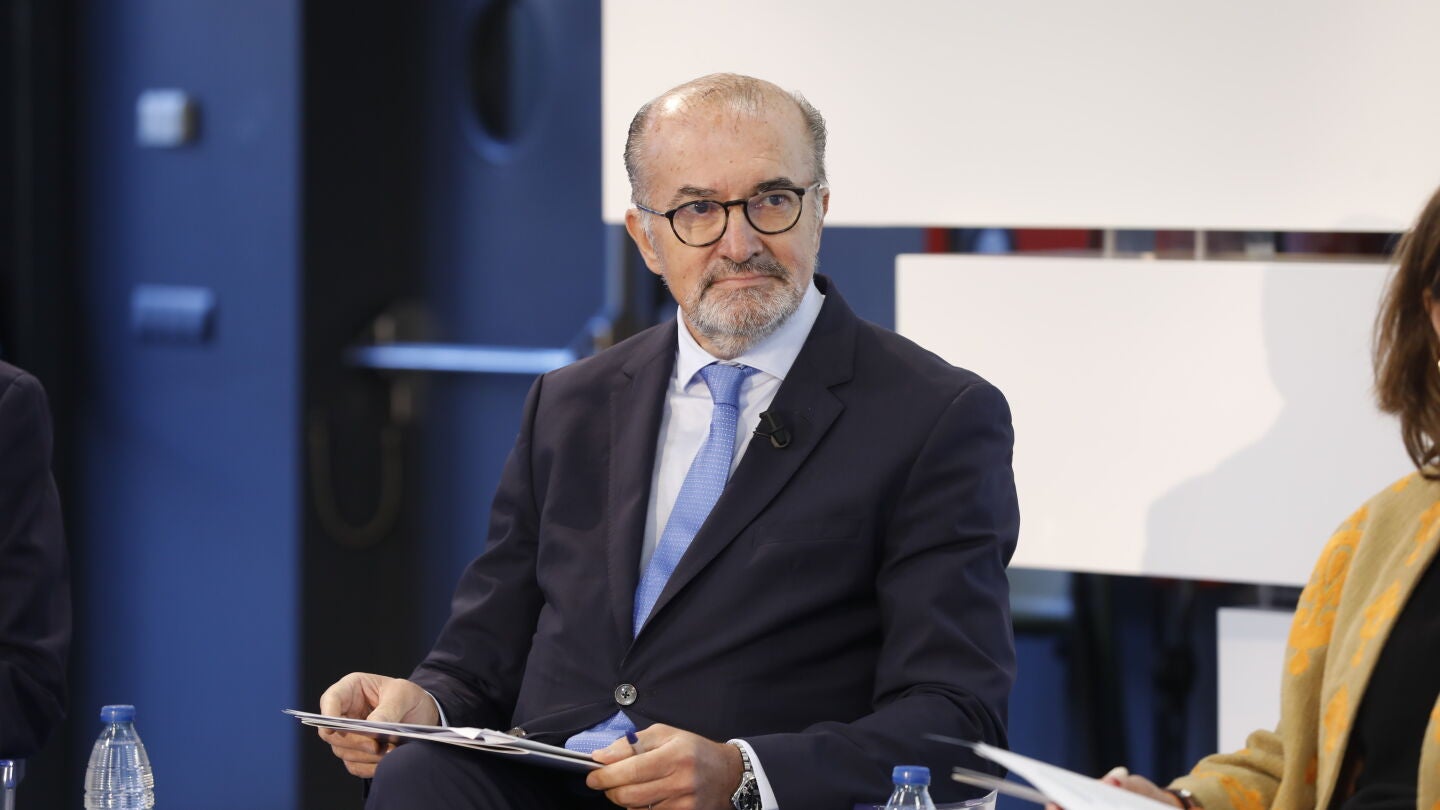
Nunez warned that fully electrifying Spain's vehicle fleet would require about 100,000 megawatts of installed capacity, equivalent to 80% of current national electricity demand. De la Pena acknowledged Spain is behind on rolling out charging points, while Zaragoza raised the issue of public acceptance of new power infrastructure, calling for dialogue with affected communities and compensatory measures to prevent projects from stalling.
Railways also featured heavily. Nunez estimated 20 billion euros in investment is needed over the next ten years for high-speed rail. Trigueros called for restoring the weight of technical criteria and reinforcing network maintenance, noting that Spain is the only country in Europe that does not apply Eurocodes, the basic construction standards governing materials use.
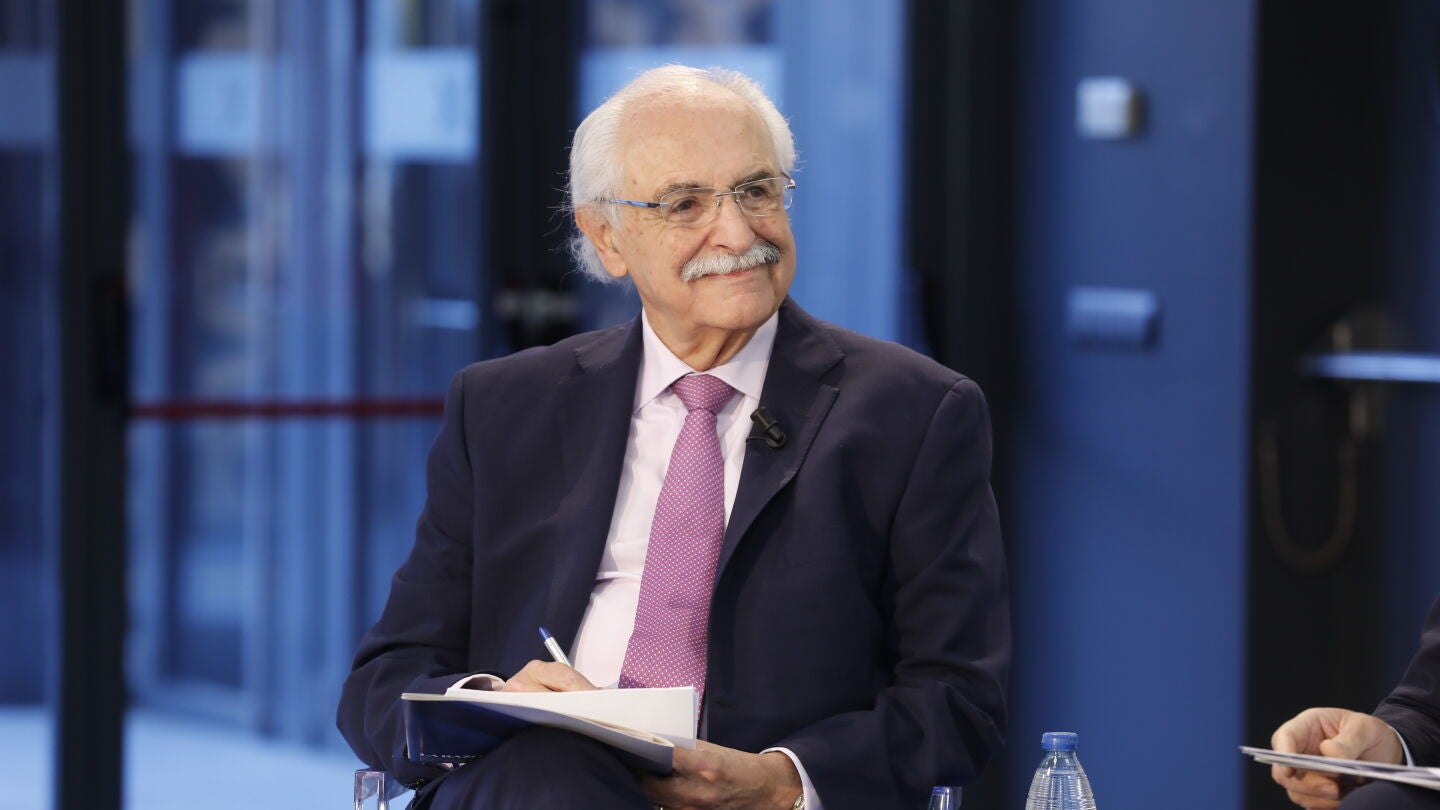
Portilla added that rail decarbonization should be judged not only on emissions but on cost efficiency, passenger numbers and travel times, saying the goal is improving efficiency and making the most of existing assets.
Water and digitalization
Portilla said the full water cycle accounts for about 4% of global energy demand. In Spain, he put losses in distribution networks at around 14%, with some studies putting the figure at 20%. He said decarbonization is not always obvious, since cutting water waste also saves the energy used to capture, treat and transport it. He cited sensors, artificial intelligence, building information modeling and digital twins as tools to detect leaks and optimize water and energy use, noting Acciona works with irrigation communities to cut losses.
Nunez said Spanish desalination and treatment plants consume about 2% of national electricity, and that European regulation sets energy neutrality targets for these facilities by 2045, which he called an opportunity to drive efficiency.
The panel agreed that decarbonization requires regulation, incentives, investment, planning and public-private collaboration, and that while Spain has the knowledge and industrial capacity, the challenge is turning them into efficient projects and infrastructure.
Test yourself
How much investment did Julian Nunez say Spain needs over the next decade to decarbonize its economy?
What percentage of current national electricity demand would full vehicle fleet electrification require, according to Nunez?
What did Jose Trigueros say Spain is the only European country not to apply?
Have your say
What should be the priority for accelerating decarbonization in infrastructure?
Where it happened
Madrid, Spain