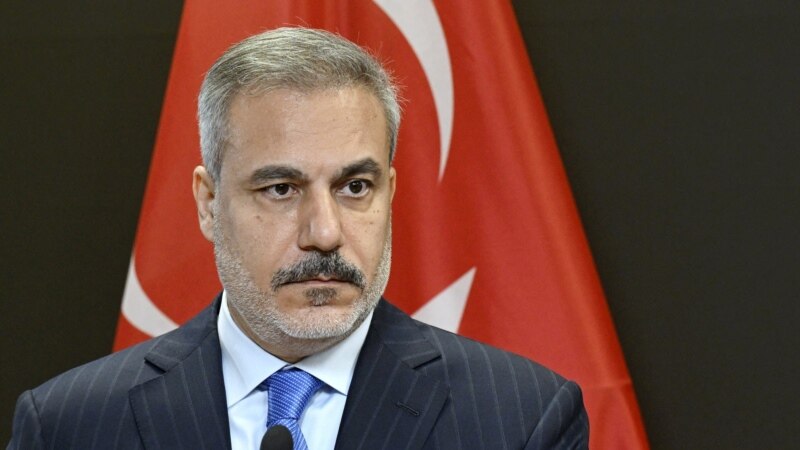
Turkish Foreign Minister Hakan Fidan announced on Aug. 8 that a new defense pact signed by Turkey, Saudi Arabia, and Pakistan is not directed against Iran. He said the agreement is technically identical to Article 5 of the NATO collective defense treaty, where an attack on one country is considered an attack on all.
Fidan added that Egypt and other countries could eventually join the pact after resolving several technical issues. The leaders of the three founding countries signed the agreement a day earlier on Aug. 7.
Fidan described NATO as a giant military alliance of 32 countries. He noted that the three founding nations had started the pact together and must take very modest but concrete steps.
Structure and Regional Security
Speaking to state news agency Anadolu, Fidan said member states will establish a ministerial committee similar to NATO structures and a general secretariat based in Saudi Arabia. He did not disclose the specific issues that must be resolved before Egypt can join.
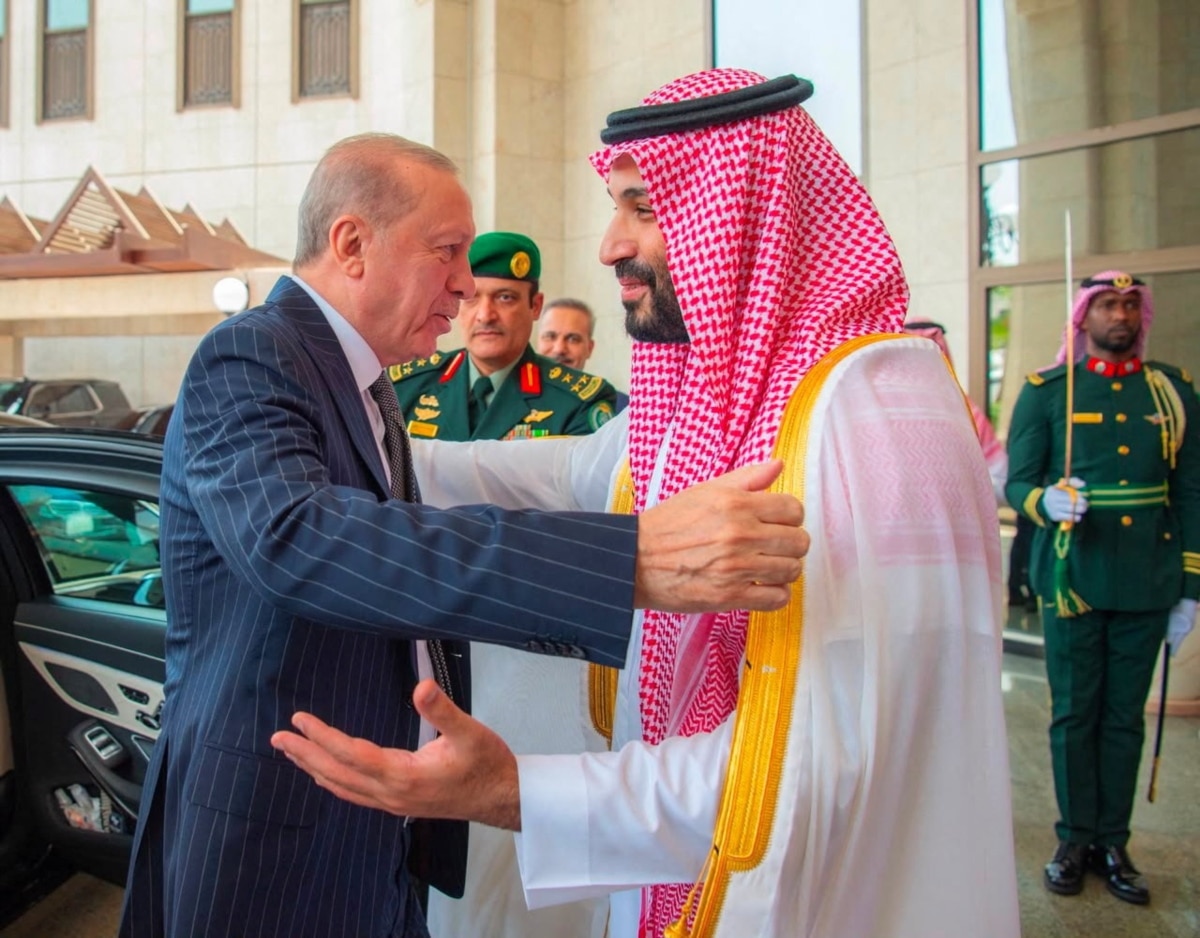
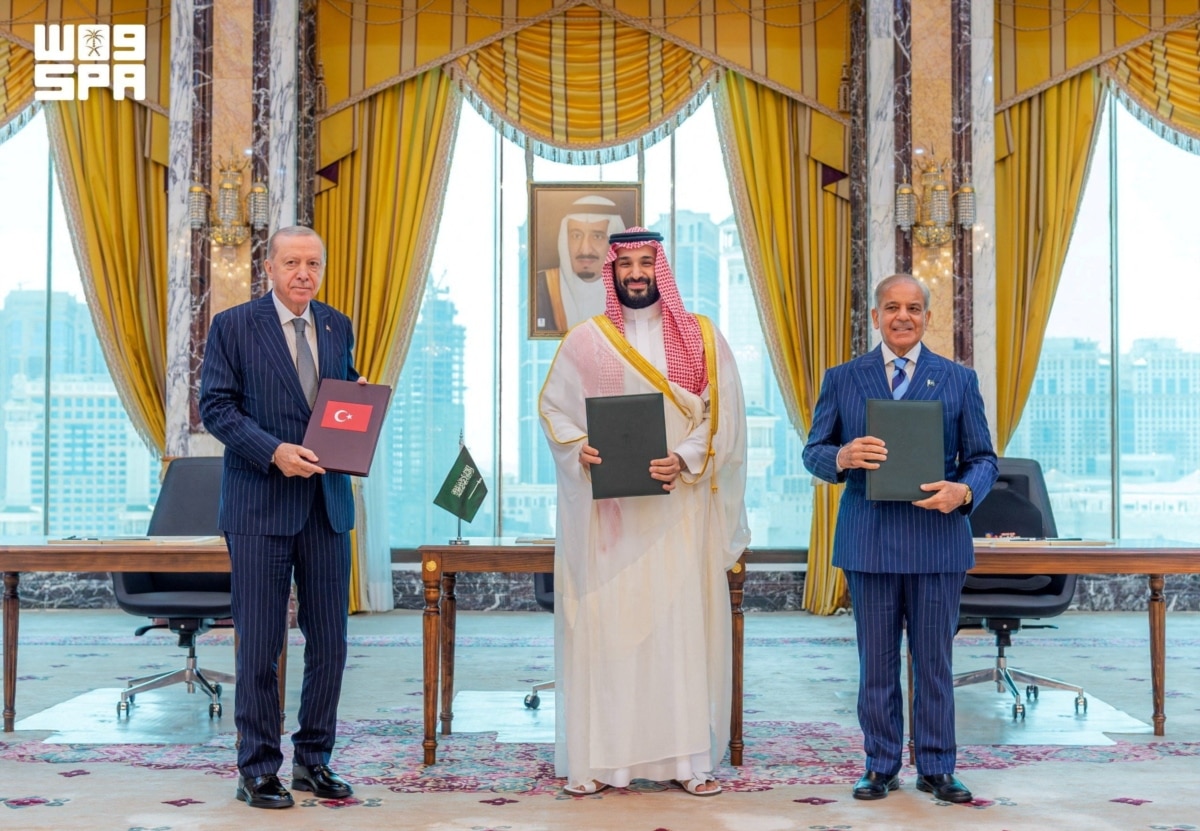
Leaders of Turkey, Saudi Arabia, and Pakistan met on Aug. 7 in the Saudi city of Mecca to sign the pact, which aims to strengthen collective deterrence against acts of aggression. The Turkish government stated that the agreement does not conflict with Turkey's commitments to existing international alliances, including NATO, of which Turkey is a member.
The Turkish Foreign Ministry added that the deal carries special significance amid escalating regional challenges. The ministry highlighted primary threats including terrorist attacks, weapons smuggling, and risks directed against neighboring countries and international sea routes.
Regional Context and Escalation
The signing occurred amid growing uncertainty in the Middle East and ongoing confrontation between Tehran and Washington. Last year, Saudi Arabia signed a Strategic Mutual Defense Agreement with Pakistan containing a clause similar to NATO Article 5, stating that any aggression against either country would be considered aggression against both.
Saudi Arabia is a United States ally and long-standing rival of Iran for regional influence across political, military, and religious issues. The kingdom has often been targeted by Iranian missile and drone attacks after the United States and Israel launched strikes against Iran starting Feb. 28.