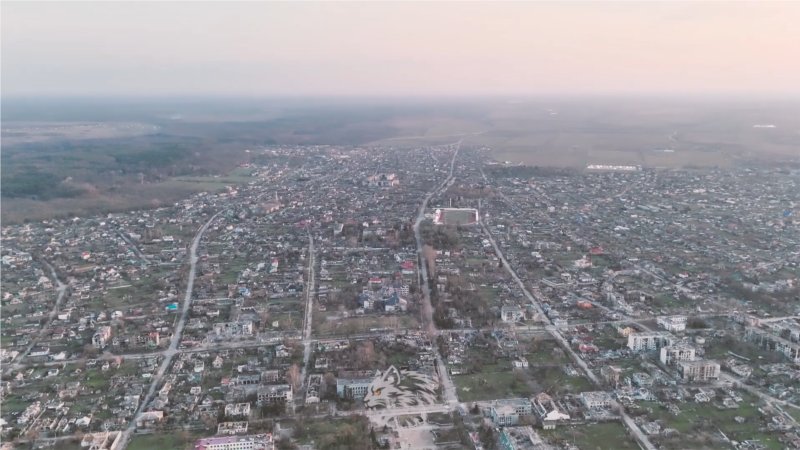
The Ukrainian General Staff announced a ceasefire in the Russian-occupied town of Oleshky starting early on October 27 to allow civilian evacuations and humanitarian aid.
Military officials in Kyiv said on the evening of October 26 that the silence regime would take effect at 3:00 a.m. Kyiv time. The temporary halt in fire covers a designated zone to enable emergency aid deliveries and organise the departure of residents trapped in the southern Ukrainian settlement.
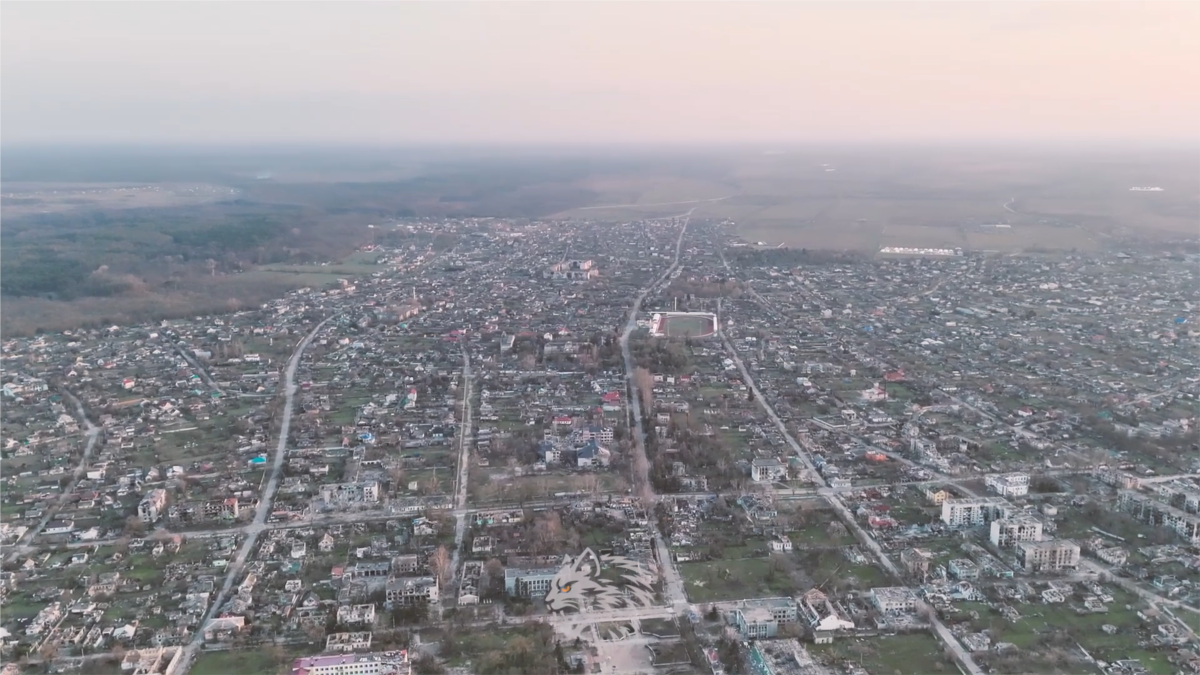
The General Staff said the pause in fighting was arranged exclusively for humanitarian relief and preparation for civilian movement from the town. Ukrainian defence forces said they were doing everything possible to help residents of Oleshky and would ensure the execution of all decisions necessary to safeguard and rescue their citizens.
Russian military leadership confirmed a corresponding pause in combat operations. General Valery Gerasimov, the chief of the General Staff of the Russian Armed Forces, said Russian troops were introducing a regime of silence in the Kherson sector for the humanitarian mission, with firing scheduled to cease at 4:00 a.m. Moscow time on October 27.
Mediation by Melania Trump
The bilateral pause followed high-level diplomatic contacts involving Washington. The White House announced on October 23 that Ukraine and Russia had agreed to a local ceasefire in Oleshky to provide humanitarian access and prepare civilian evacuations through a designated safe corridor.
According to the White House announcement, the agreement was reached through the mediation of US First Lady Melania Trump. Ukrainian officials acknowledged her mediation efforts in coordinating between Kyiv and Moscow to broker the rare humanitarian arrangement.
Ukrainian human rights commissioner Dmytro Lubinets confirmed the deal and said military forces would observe a silence regime to carry out the operation. Lubinets said the mission would practically begin on October 29, when aid convoys are scheduled to enter Oleshky and civilians who wish to leave can begin moving freely.
Lubinets serves as the Ukrainian parliament ombudsman, a state post responsible for civilian protection, prisoner exchanges, and negotiations over displaced citizens. Senior Ukrainian lawmaker Davyd Arakhamia, who leads the majority faction in the Ukrainian parliament, also highlighted the plan, stating that the operation was designed to establish functional humanitarian corridors.
Russian occupation of Oleshky
Oleshky was seized by Russian forces during the opening days of Moscow's full-scale invasion of Ukraine in February 2022. The town is located in Kherson Oblast on the left, or eastern, bank of the Dnipro River, directly across the water from the regional capital of Kherson.
The Dnipro River has formed the natural frontline dividing liberated Ukrainian territory from Russian-occupied southern Ukraine since late 2022, when a Ukrainian counteroffensive liberated the right bank and the city of Kherson. The wide waterway and its network of marshland channels have remained heavily militarised, leaving occupied settlements on the eastern shore cut off from regular transport links.
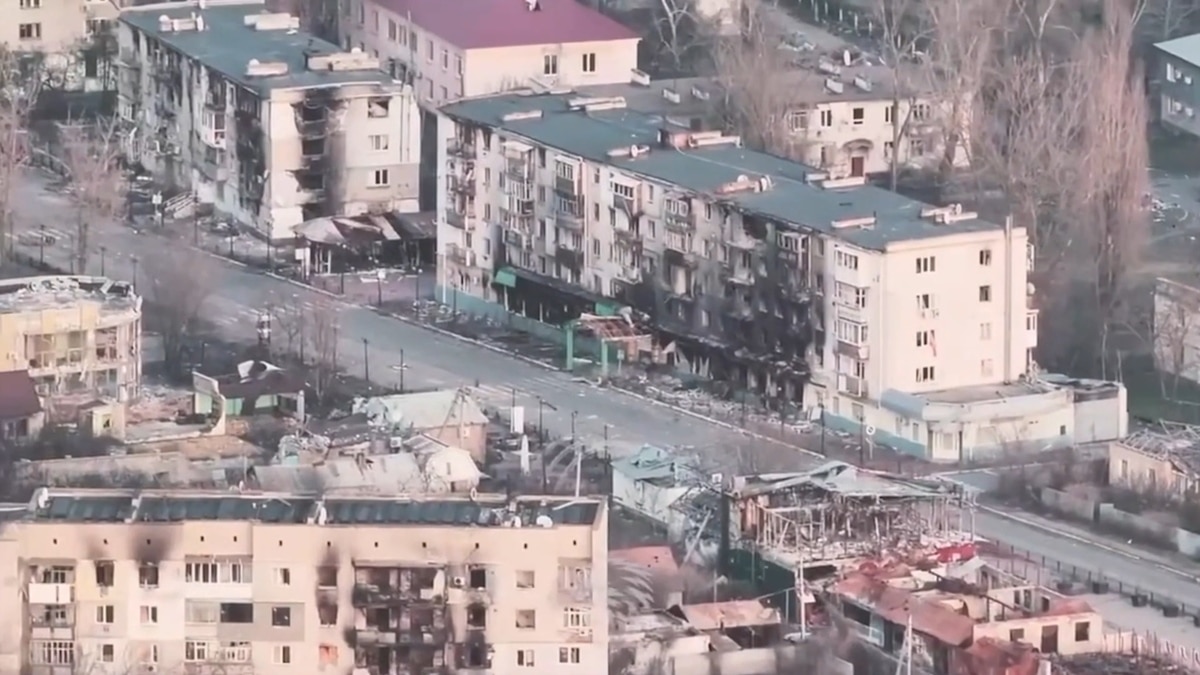
According to the Kherson Regional Military Administration, around 2,000 civilians remain trapped in Oleshky, including nearly 50 children. The regional authorities said Russian occupation troops have obstructed the entry of relief supplies and effectively prevented residents from crossing the river to safety.
Previous attempts by international organisations to negotiate with Russian authorities for civilian evacuation routes from Oleshky ended without success. Humanitarian agencies have repeatedly faced obstacles when trying to secure access across active combat lines in southern Ukraine.
Ceasefire terms and relief timeline
Humanitarian corridors are formal mechanisms under international law intended to halt military hostilities temporarily along agreed routes. They permit the delivery of food, water, and medical assistance to besieged populations while allowing non-combatants to exit active battlegrounds without coming under fire.
The ceasefire schedule reflects the difference in official time zones between the two capitals. Kyiv time stands one hour behind Moscow time, meaning the Ukrainian starting time of 3:00 a.m. coincides with the 4:00 a.m. start time announced by Russian military commanders.
Ukrainian authorities said the initial silence regime established on October 27 is intended to prepare the ground for the broader humanitarian relief effort. Convoys carrying supplies and arrangements for unblocking civilian transit are expected to begin operations on October 29.