

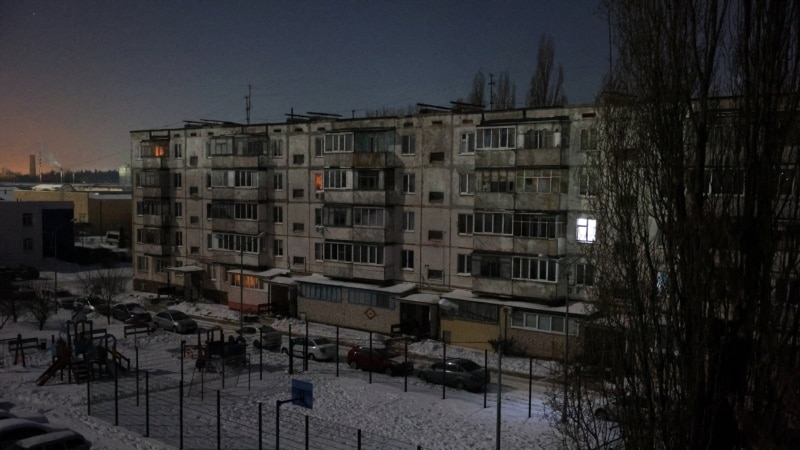
The United Nations has warned that civilians across Ukraine will face even harsher living conditions this coming winter following systematic Russian attacks on energy infrastructure.
Erik Mose, chairman of the Independent International Commission of Inquiry on Ukraine, presented the findings to UN Human Rights Radio on September 21, 2026, stating that continuous strikes on power facilities have made daily life increasingly unbearable for the population.
According to the UN report, Russian strikes during the winter of 2025 to 2026 damaged or destroyed additional electrical power generation units, transmission lines, heating facilities, and gas supply infrastructure as temperatures dropped to minus 20 degrees Celsius.
The widespread destruction of utility networks left millions of residents suffering from prolonged electricity blackouts and a severe shortage or complete absence of indoor heating. Ukrainian authorities have documented multiple deaths and injuries linked directly to hypothermia during the freezing weather.
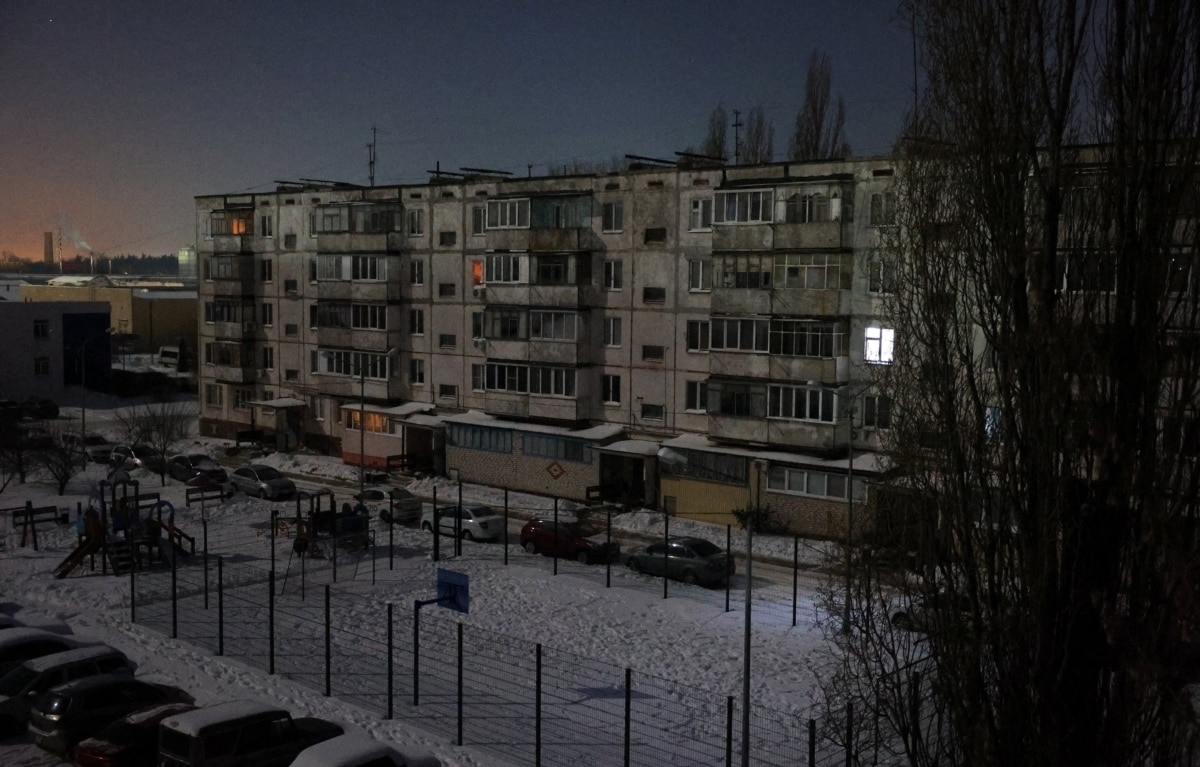
The Independent International Commission of Inquiry on Ukraine was established by the United Nations Human Rights Council in 2022 to investigate all alleged violations of human rights and international humanitarian law amid the conflict. Ukraine relies heavily on interconnected power grids and district heating facilities, leaving major urban centers vulnerable when sub-zero temperatures arrive during Eastern European winters.
Forced education and foreign military recruitment
The UN report also detailed broader impacts on civilians, noting that Ukrainian children living in Russian-occupied areas are being subjected to forced patriotic and military education. The commission stated that children are compelled to attend schools following Russian educational programs that glorify the Russian Federation, with non-compliance resulting in threats and coercion.
In addition, investigators documented cases of foreign nationals from several continents who ended up serving in the Russian armed forces after being misled by recruiters.
The commission announced that it will present the complete results of its ongoing investigations in a formal report to the 81st session of the UN General Assembly in October 2026. The General Assembly serves as the primary policy-making body of the United Nations, bringing together representatives from all member states at its headquarters in New York.
Discussions over a potential energy truce
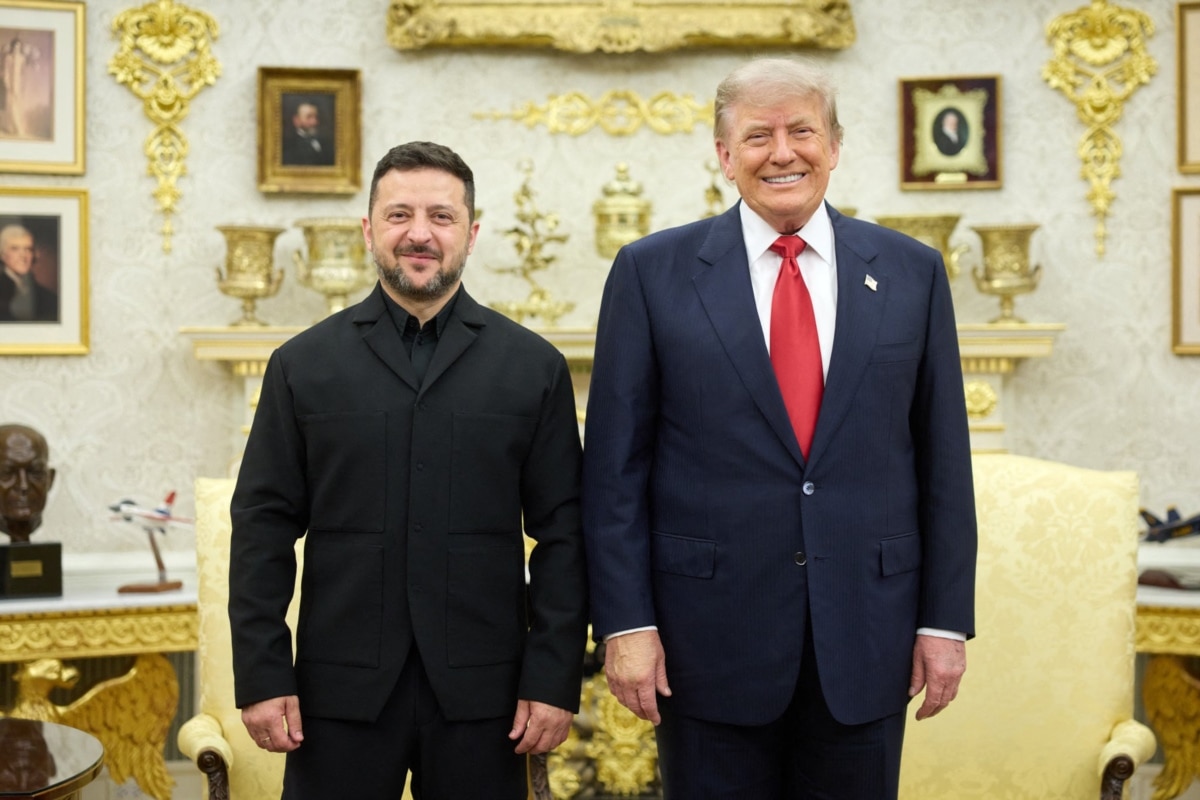
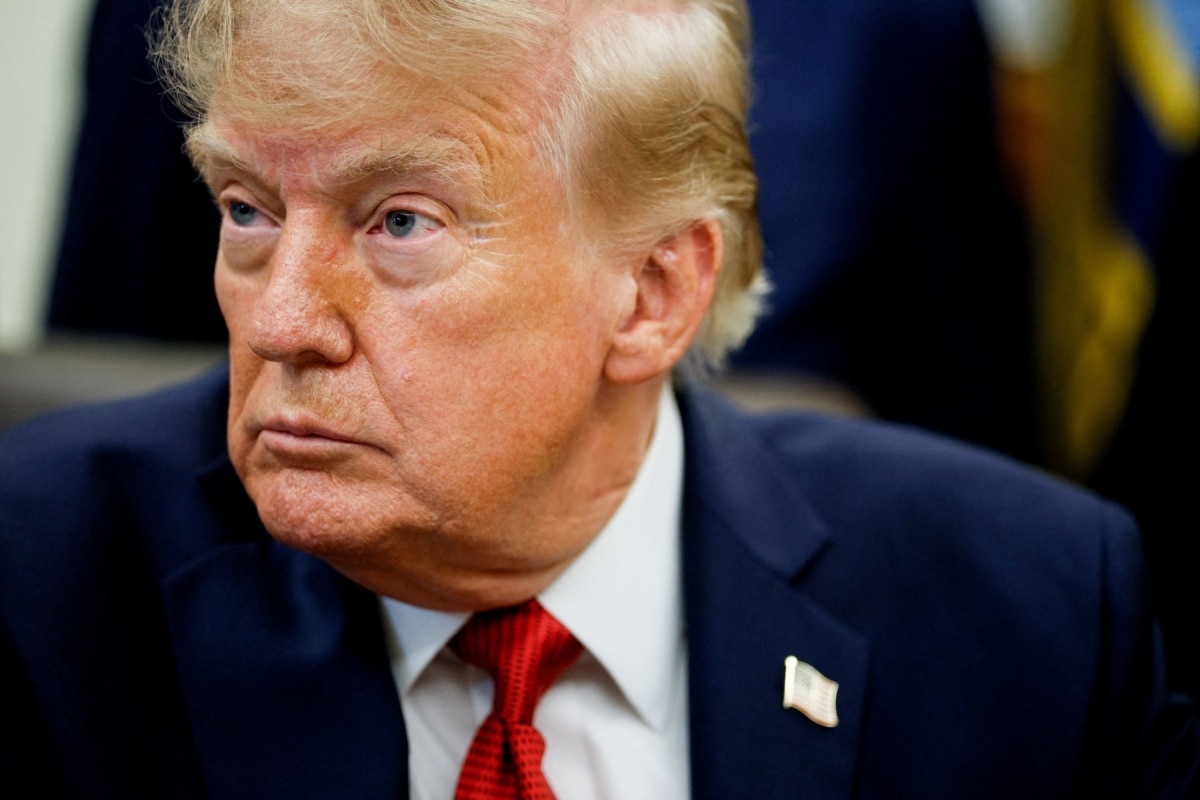
The UN warning comes amid public statements regarding a potential agreement to halt infrastructure strikes. US President Donald Trump stated on his social media platform on September 14 that Ukraine and Russia had agreed not to strike each other's energy targets.
Trump also claimed that rising global prices for diesel fuel were primarily caused by the war in Ukraine rather than ongoing geopolitical tensions involving Iran.
Responding to the statement from Washington on the same day, Ukrainian President Volodymyr Zelenskyy said Kyiv was willing to consider a mutual cessation of strikes on critical infrastructure, provided that international partners could guarantee Russia's compliance with any such agreement.
Kremlin spokesman Dmitry Peskov described the concept of an energy truce as a very good idea on September 15. However, just days before Trump's remarks, Peskov had publicly characterized Ukraine's energy sector as its Achilles heel and effectively dismissed the possibility of reaching an energy agreement.
The UN commission will present its comprehensive findings during the 81st session of the General Assembly in October 2026, as diplomatic discussions over infrastructure safety continue. The General Assembly convenes annually in New York, where member states debate key global peace and security issues.


