

Entrepreneur Denis Astafyev said a delayed drop in oil revenues and higher seasonal currency demand pushed the US dollar above 80 rubles. Astafyev, a fund manager and founder of the SharesPro fintech platform, told Lenta.ru that pressure on the Russian ruble has continued since late July.
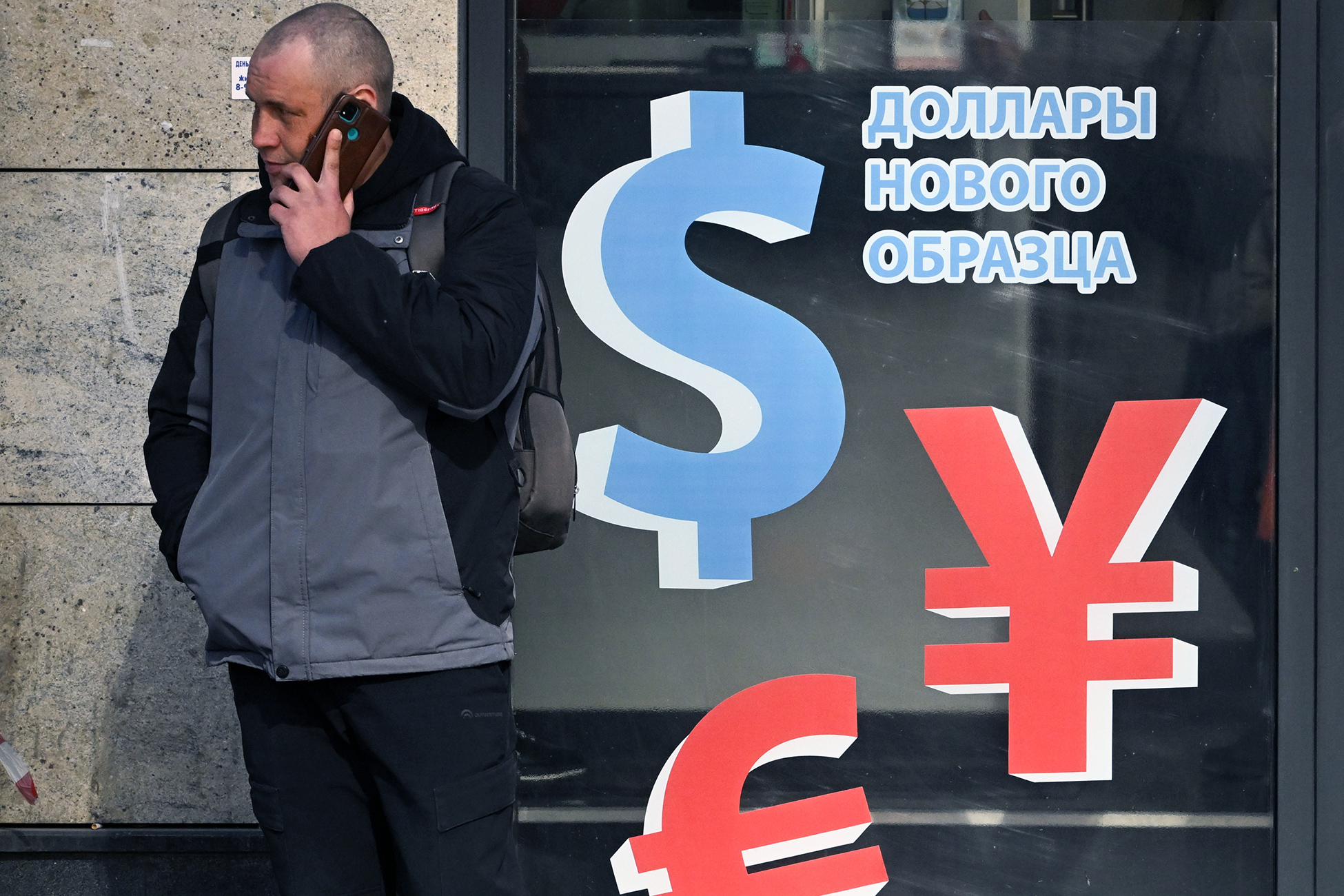
The Bank of Russia set the official dollar rate at 82.17 rubles for Aug. 8 to Aug. 10, marking a 76-kopeck increase. The dollar also reached 83 rubles during over-the-counter trading.
Factors driving currency demand
Astafyev explained that the main cause of the slide is a one to two month lag between oil prices and foreign currency entering the country. Current currency inflows reflect cheaper June crude prices. At the same time, summer import purchases have grown, while domestic oil refining issues forced higher spending on fuel abroad.
Businesses are also spending more currency to replace inventory destroyed in warehouse attacks. In addition, peak holiday travel has driven up demand for cash foreign currency, and importers are building up stock ahead of the autumn business season. Sequential cuts to the key interest rate have reduced the appeal of ruble investments, prompting exporters to hold earnings in foreign currency.
Geopolitical risks and market outlook
Geopolitical uncertainty has raised risk premiums as investors seek foreign currency. Market participants are watching events around the Strait of Hormuz and a US Senate bill that proposes tariffs on buyers of Russian oil and gas. Meanwhile, the Bank of Russia sells roughly 580 million rubles of foreign currency daily, but increased purchases by the Ministry of Finance under the budget rule could add pressure as oil prices rise.
Astafyev said a sharp devaluation is unlikely. He expects the dollar to trade between 77 and 83 rubles with gradual ruble weakening. He noted that August is historically unfavorable for the currency due to lower foreign currency inflows and rising demand before the fall business season.


