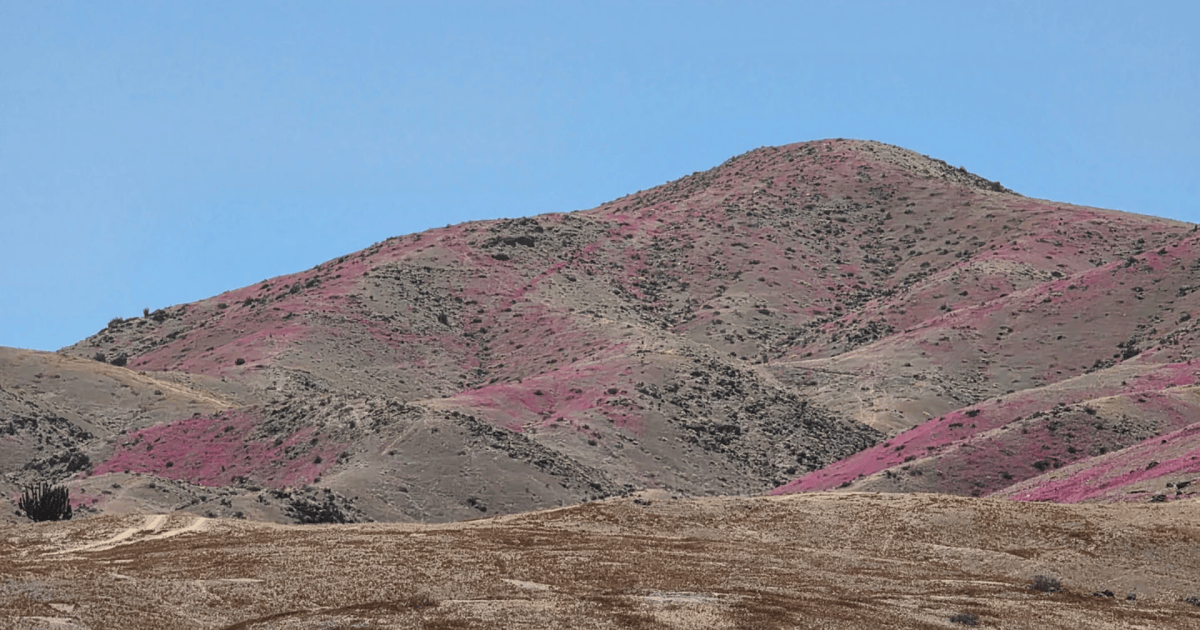
Scientists have found radioactive cesium-137 in coconuts and other fruit still growing on the Bikini and Rongelap atolls in the Marshall Islands, nearly seven decades after the United States tested nuclear weapons there. In some soil samples, concentrations of the radioactive element exceed those recorded near Chernobyl less than ten years after the 1986 disaster.
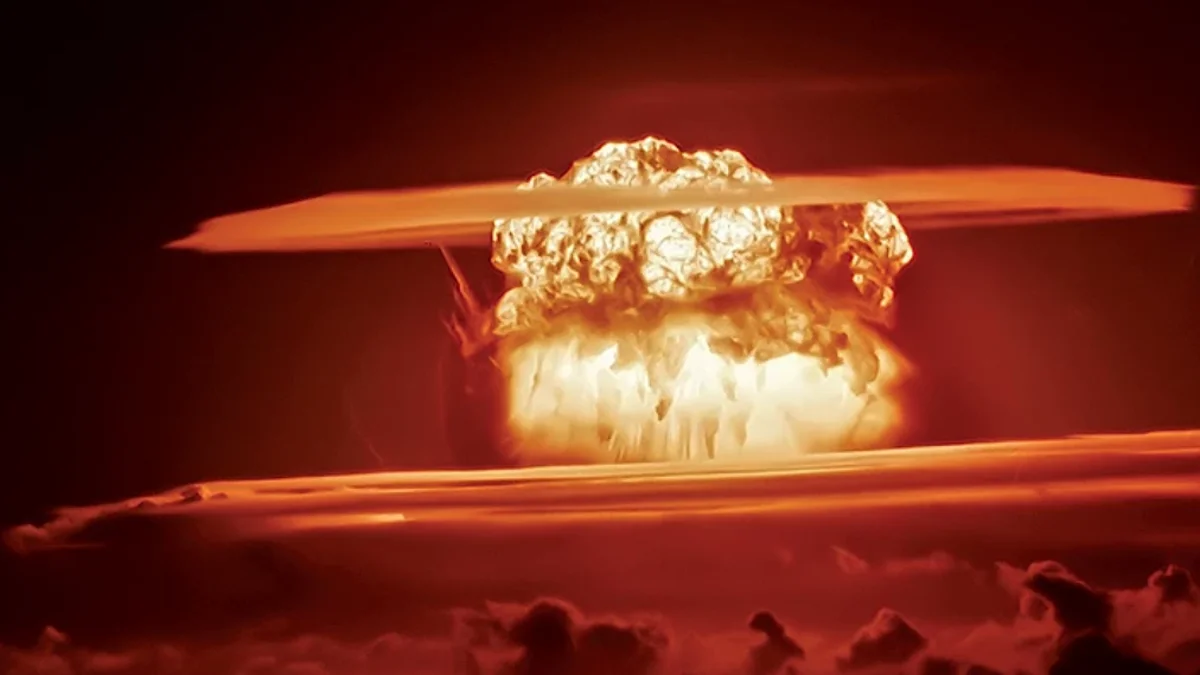
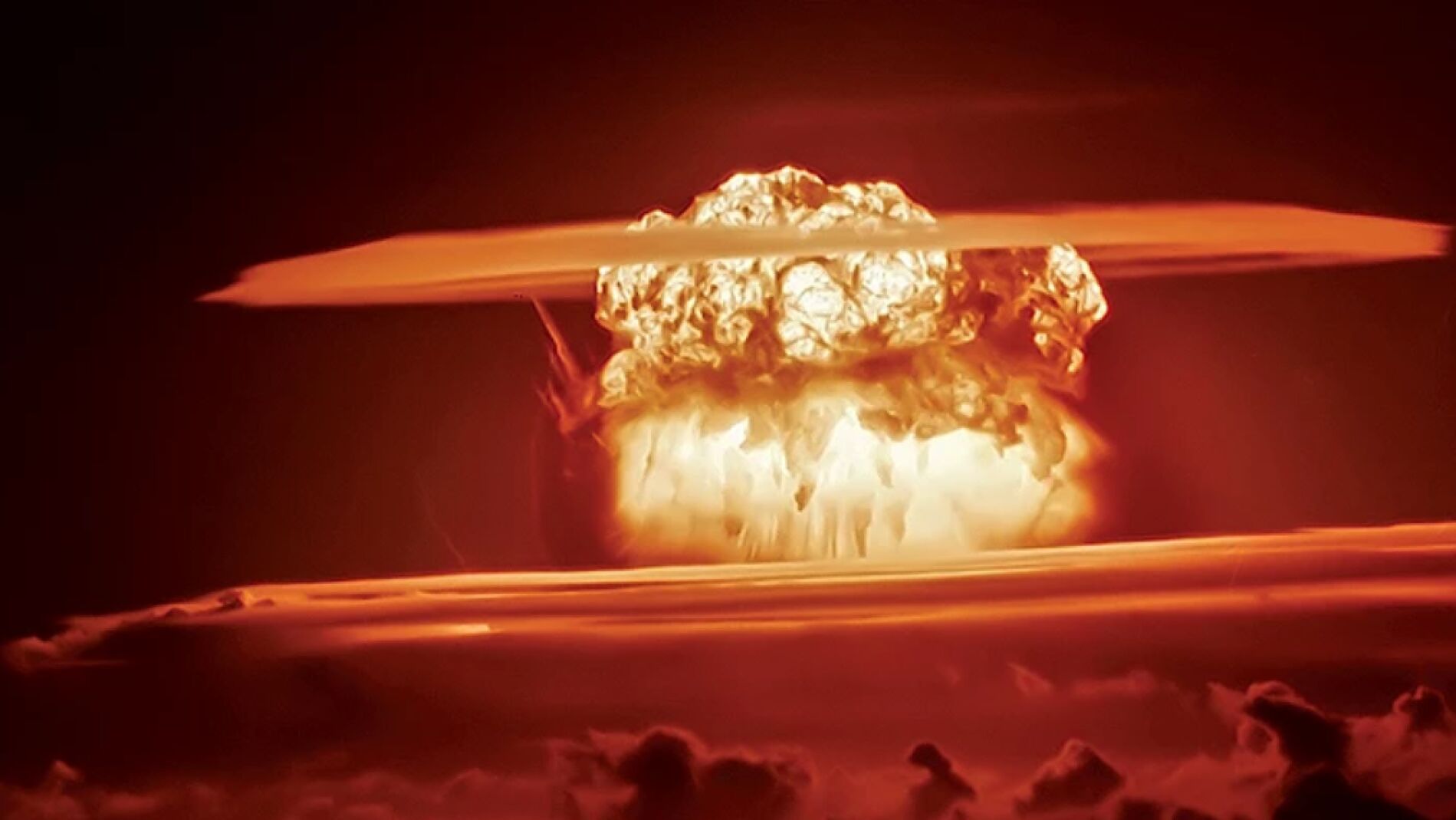
Between 1946 and 1958, the United States detonated 66 nuclear weapons on the Bikini and Enewetak atolls in the Marshall Islands. The tests released energy equivalent to around 108 megatons of TNT, more than double the estimated power of the Tsar Bomba, making it the largest nuclear testing program ever carried out.
The most powerful of the tests was Castle Bravo, detonated on March 1, 1954, at Bikini. The 15-megaton thermonuclear bomb was more than 1,000 times more powerful than the one dropped on Hiroshima, and its radioactive fallout reached communities hundreds of kilometers away, including those on Rongelap and Utirik.
Decades of fallout mapped
A study published in the journal Health Physics reconstructed how radioactive material spread across 32 atolls and islands. It found that 20 of the 66 tests had deposited significant amounts of waste on inhabited territory. The elements identified included cesium-137, strontium-90, plutonium and americium, with exposure levels varying widely between communities.
Three further studies published in the Proceedings of the National Academy of Sciences (PNAS), carried out by scientists at Columbia University, detailed the scale of the contamination. One analyzed soil samples and found particularly high concentrations of cesium-137 on Naen, Runit and Enjebi. A sample from Enjebi, on the Enewetak atoll, measured 2,850 becquerels per kilogram (Bq/kg), while samples from Naen reached as high as 7,140 Bq/kg.
The researchers said some of these readings exceeded cesium-137 concentrations measured in soil near the Chernobyl nuclear plant less than ten years after that accident, where levels of 960 and 1,210 Bq/kg were recorded. The authors stressed this does not mean the whole archipelago is more contaminated than Chernobyl, only that certain spots retain higher concentrations than those comparison areas.
Radioactive fruit still growing
Contamination is not confined to the soil. A second PNAS study examined 241 pieces of fruit, mainly coconuts and pandanus, collected from 11 islands across four atolls. On Bikini, the average cesium-137 concentration reached 630 Bq/kg, with some individual fruits measuring as high as 3,770 Bq/kg. Levels varied greatly between islands and even between fruit growing close together, and in some cases exceeded the reference limits different countries use to regulate radioactivity in food.
The study's authors warned that this contamination could complicate the return of displaced communities and the revival of their traditional farming. Cesium-137 has a half-life of around 30 years and can be absorbed by plants through the soil. Its activity declines gradually rather than disappearing at once, meaning a portion remains for decades. Other radionuclides, including certain plutonium isotopes, can persist for far longer periods.
Plutonium far above Chernobyl and Fukushima levels
A third PNAS study focused on plutonium isotopes 239 and 240. It reported that Bikini samples had very high concentrations of americium-241, cesium-137 and plutonium-239/240 in the soil. Americium-241 concentrations in Bikini soil were up to three times higher than samples from Belarus, while plutonium-239/240 concentrations were up to 1,000 times higher than samples from areas affected by the Chernobyl and Fukushima disasters.
Climate change adds new risk
A separate concern has emerged around climate change. On Enewetak, contaminated waste collected during cleanup operations in the 1970s was deposited in a crater on Runit Island and later sealed beneath a concrete structure known as the Runit Dome. Storms, coastal erosion and rising sea levels have raised questions about the stability of that deposit and the possibility that radioactive material could be redistributed.
A study published in Scientific Reports in 2025 modeled how storms could dislodge contaminated sediment and move radionuclides, though its authors said the results do not automatically translate into a proven increase in health risk.
The bombs stopped detonating in 1958, but in parts of the Pacific, their consequences remain embedded in the soil, in the fruit, and in the daily lives of those still waiting to return to their territories.
Test yourself
Where did the United States carry out 66 nuclear weapons tests between 1946 and 1958?
According to the studies, how did plutonium-239/240 levels in Bikini soil compare to Chernobyl and Fukushima samples?
What structure on Enewetak atoll is now threatened by storms and rising sea levels?
Where it happened
Bikini Atoll, Marshall Islands