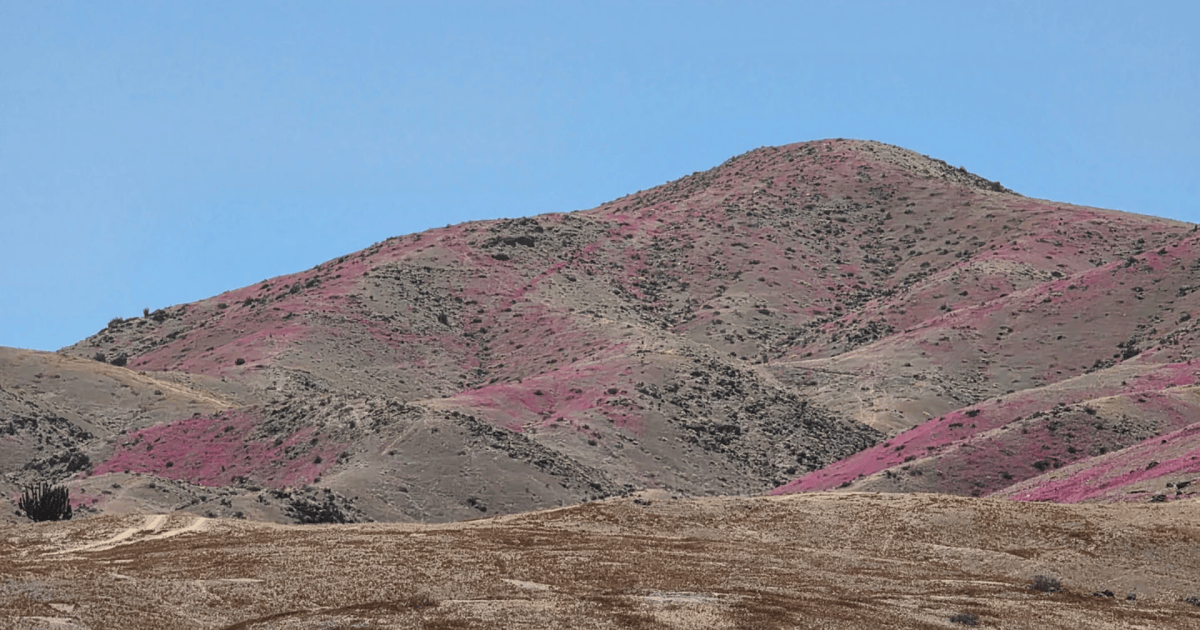
NASA satellites captured the moment Chile's Atacama Desert, normally one of the driest places on Earth, turned into a vast carpet of rare flowers after unusually heavy rain linked to the El Niño climate phenomenon.
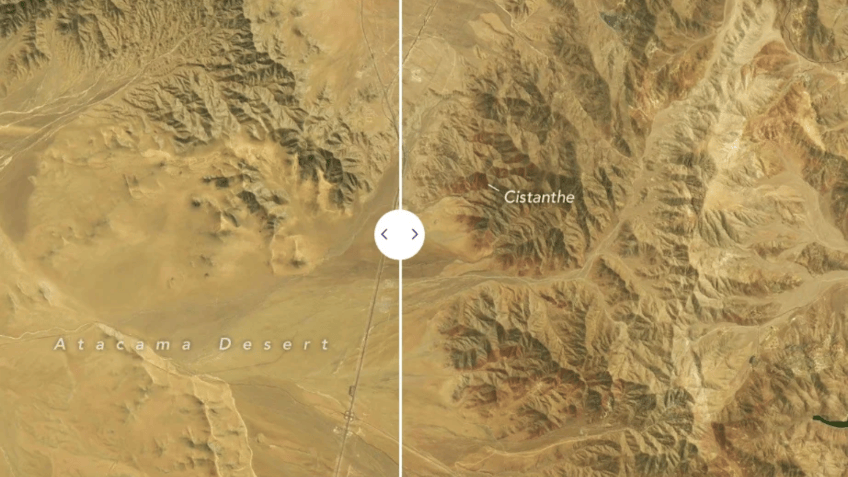
Images taken by NASA's Landsat 8 and Landsat 9 satellites confirmed that sections of the desert were covered by dense flowering vegetation during the Southern Hemisphere spring.
The event, known in Chile as the "desierto florido," or flowering desert, was triggered by unusually heavy rain and snowfall during the winter months, driven by the strengthening of El Niño, a periodic warming of surface waters in the tropical Pacific Ocean that disrupts normal weather patterns across South America.
How dormant seeds sprang to life
The rise in humidity across the hyperarid region caused seeds that had lain dormant beneath the dry soil for years to sprout. Pictures taken between September and October by the satellites' Operational Land Imager, or OLI, sensors showed the landscape transforming in areas southwest of the city of Copiapó.
The Landsat program is a joint effort between NASA and the U.S. Geological Survey that has monitored Earth's surface from orbit since the 1970s, making it one of the longest-running sources of satellite imagery of the planet.
Researchers from Chile's Pontificia Universidad Católica de Valparaíso analyzed the images and found that the dominant reddish-purple tones belonged to Cistanthe longiscapa, a species commonly known as pata de guanaco, or guanaco's foot. In other areas, Nolana baccata, known locally as suspiros, or sighs, covered the hillsides with its white flowers.
A historic bloom
According to NASA records, this year's flowering stands out among all the events the agency has mapped since 1981. Scientists said the bloom observed this year is the most extensive, intense and long-lasting recorded since remote sensing monitoring of the phenomenon began.
The Atacama Desert stretches along Chile's northern coast and is widely considered the driest non-polar desert on Earth, with some areas receiving almost no rainfall in an average year. The flowering desert phenomenon occurs only sporadically, when rare rainfall allows dormant seed banks in the soil to germinate all at once.
Test yourself
Which NASA satellites captured images of the Atacama Desert in bloom?
What climate phenomenon triggered the unusual rain and snow behind the bloom?
Which species produced the dominant reddish-purple flowers, according to Chilean researchers?
Have your say
What do you find most interesting about the Atacama Desert's flowering?
Where it happened
Copiapó, Chile