

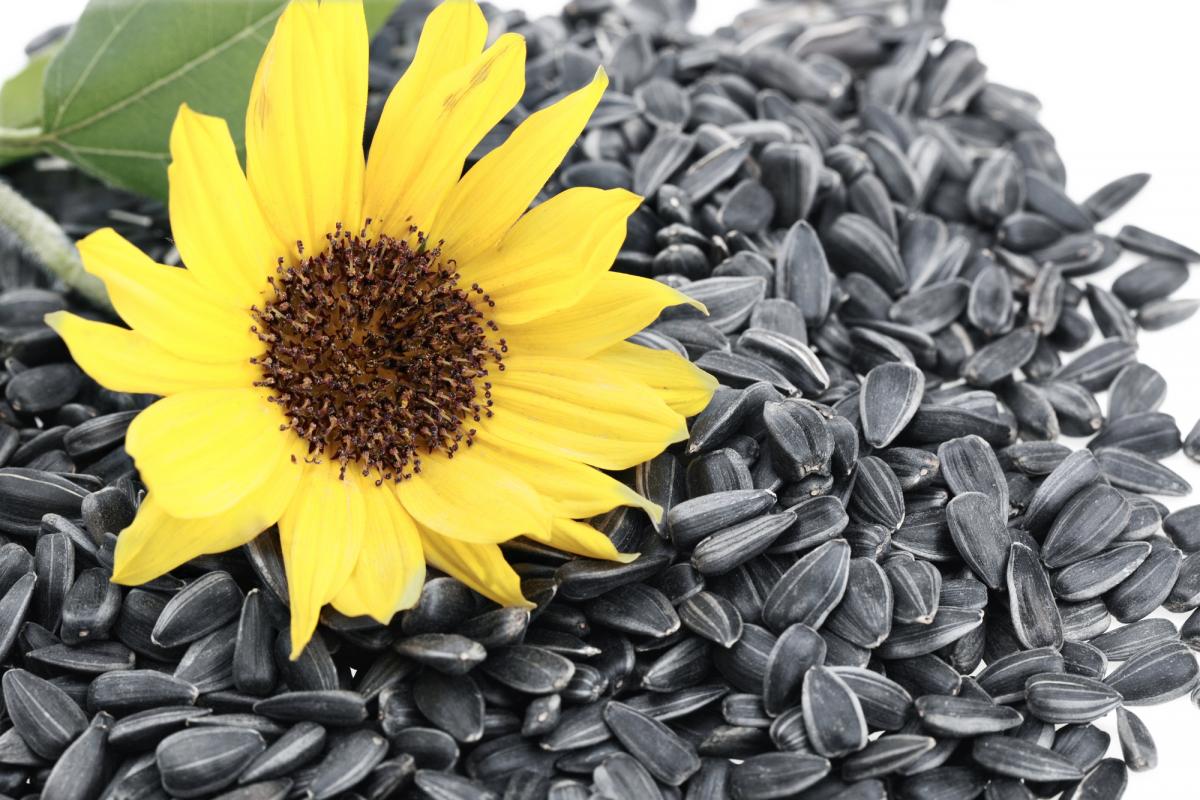
Dietitians have identified five nutrient rich foods that supply high amounts of vitamin E beyond traditional sunflower seeds, according to a report by Verywell Health.
Vitamin E is an essential fat soluble antioxidant that helps protect cells from oxidative stress and supports general immune and cellular health. While sunflower seeds are commonly treated as the primary dietary source of the nutrient, several plant oils, fruits, and nuts offer equal or superior nutrient density.
High Concentration Oils and Tropical Fruit
Wheat germ oil ranks as the most concentrated option highlighted by experts. A single tablespoon provides approximately 20.3 milligrams of vitamin E, which exceeds the standard recommended daily allowance for most adults. Health experts noted that wheat germ oil is best consumed cold or raw, as intense heating can degrade its delicate nutritional properties.
Mamey sapote, an exotic tropical fruit native to Mexico and Central America, serves as another exceptionally rich fruit source. Research indicates that one whole mamey sapote contains about 11.8 milligrams of vitamin E, meeting a substantial portion of an adult daily requirement. Beyond its antioxidant content, the fruit supplies dietary fiber, calcium, magnesium, phosphorus, and vitamin C.
Nuts and Edible Plant Oils
Tree nuts and refined plant oils also offer accessible daily options for maintaining adequate nutrient levels. A 28 gram serving of whole almonds delivers 6.8 milligrams of vitamin E alongside healthy fats and essential minerals. Alternatively, one tablespoon of almond oil provides roughly 5.3 milligrams. Studies demonstrate that regular consumption of almonds and almond oil contributes to better control of blood sugar, blood pressure regulation, and improved cardiovascular system function.
Hazelnuts provide another valuable source, with a 28 gram portion yielding approximately 4.3 milligrams of vitamin E. For higher concentration, one tablespoon of hazelnut butter or oil contains about 6.4 milligrams. Research shows the healthy fats and amino acids present in hazelnuts work synergistically to support overall physiological health.
For individuals who do not consume whole seeds, sunflower oil offers a direct substitute. A single tablespoon of sunflower oil contains about 5.6 milligrams of vitamin E, allowing for simple integration into salad dressings and unheated culinary dishes.
Daily Intake and Varied Diets
Health guidelines state that the recommended daily allowance of vitamin E for average adults is approximately 15 milligrams per day. However, women who are breastfeeding require a higher intake of roughly 19 milligrams daily to meet increased physiological demands. Dietitians emphasize that obtaining vitamin E through a varied diet combining nuts, seeds, vegetable oils, fruits, and vegetables is preferable to relying solely on single dietary sources.
The findings build on broader dietary recommendations regarding essential micronutrients. Previous nutritional advice highlighted nine accessible foods containing significantly more magnesium than dark chocolate, alongside guidance from dietitians on using seven specific herbs to raise magnesium levels naturally without dietary supplements.


