

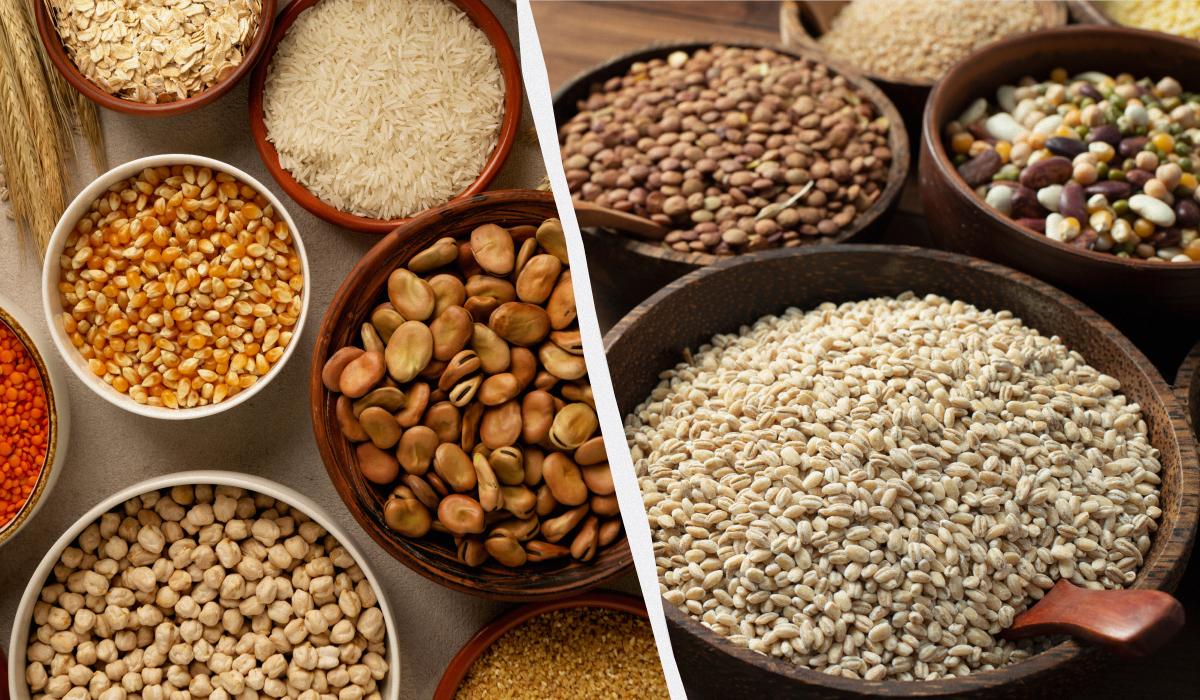
Medical experts at the Health reporting portal have identified seven whole grain products capable of lowering human cholesterol levels and improving cardiac lipid profiles. The dietary recommendations focus on replacing refined carbohydrates with nutrient-dense grains to reduce cardiovascular disease risks.
Researchers emphasized that dietary choices, alongside genetics and overall lifestyle, directly govern systemic lipid balances. Transitioning from processed grains to whole varieties provides a practical daily strategy for managing elevated cholesterol.
Whole grains retain their outer bran layer and germ, preserving essential dietary fiber and bioactive plant compounds. Soluble fiber plays a crucial role in lipid regulation by binding to cholesterol particles inside the digestive tract, facilitating their removal from the body before absorption occurs.
Cholesterol is a waxy lipid produced by the liver and derived from dietary sources, essential for cell membrane synthesis and hormone production. Excess low-density lipoprotein, commonly known as LDL or bad cholesterol, can accumulate along arterial walls, forming plaques that restrict blood flow and increase the likelihood of heart attacks and strokes.
Top Grains for Cholesterol Reduction
Oats represent the most thoroughly researched food item for cholesterol management. The primary active component in oats is beta-glucan, a form of soluble fiber demonstrated to decrease both total cholesterol and low-density lipoprotein levels.
Data from a study stored in the United States National Library of Medicine database, involving several thousand human participants, confirmed that regular oat consumption produced statistically significant reductions in both total and LDL cholesterol markers. The United States National Library of Medicine serves as a global repository for biomedical research and clinical trial documentation.
Barley also contains high concentrations of beta-glucan and delivers positive effects on human lipid profiles. Beyond direct cholesterol binding, barley supplies antioxidant compounds and essential minerals that mitigate cellular damage and support blood vessel integrity.
A study published in a scientific journal by Taylor and Francis demonstrated that beta-glucan from barley supports heart health by fostering beneficial shifts in the gut microbiota. Taylor and Francis is an international academic publisher specializing in peer-reviewed scientific literature, while gut microbiota refers to the complex ecosystem of microorganisms residing in the human digestive system.
Alternative Grains and Seeds
Quinoa is botanically classified as a seed, but its nutritional structure and culinary preparation align it with traditional cereal grains. It delivers dietary fiber, plant-based protein, and protective antioxidants, while research connects quinoa consumption with healthier blood sugar regulation and reduced body mass index. Body mass index measures body composition relative to height and weight to assess health risks.
Bulgur wheat undergoes minimal industrial processing compared to white bread or refined pasta, allowing it to retain its fiber-rich bran coating. Diets rich in intact whole grains like bulgur show consistent scientific associations with reduced low-density lipoprotein cholesterol concentrations.
Millet supplies substantial amounts of dietary fiber, B-complex vitamins, iron, and magnesium. Clinical evidence indicates that adequate magnesium intake supports improved cholesterol metrics, enhanced glycemic control, and a decreased overall risk of developing cardiovascular diseases. B-complex vitamins and magnesium act as essential cofactors in human metabolic pathways.
Evidence for Buckwheat and Amaranth
Buckwheat contains fiber and plant compounds such as rutin, a natural flavonoid known for antioxidant properties. However, scientific evidence regarding its cholesterol-lowering efficacy remains inconclusive.
A research study retrieved from the MDPI online library found no definitive evidence that buckwheat consumption reduces low-density lipoprotein cholesterol. MDPI operates an open-access scientific publishing platform, and health experts advise patients not to rely on buckwheat as a primary strategy for lowering cholesterol.
Amaranth, another non-cereal seed containing fiber, magnesium, iron, and antioxidants, currently lacks robust human evidence. Most positive findings regarding the cholesterol-reducing properties of amaranth stem from animal studies, while clinical trials in human populations remain insufficient to draw firm conclusions.
Health portal experts concluded that while no single food acts as a complete remedy for elevated cholesterol, oats and barley offer the strongest scientific backing due to their high beta-glucan content. Individuals seeking to improve heart health are encouraged to integrate a variety of whole grains into their daily meals while prioritizing oats and barley.


