Poland was the first country in the world to recognise Ukraine's independence, after more than 90% of Ukrainian voters backed the country's Act of Declaration of Independence in a referendum on 1 December 1991. Warsaw's early support reflected a belief that a free Ukraine meant a safer eastern border and weaker Russian influence in the region. But more than four and a half years into Russia's full-scale invasion of Ukraine, with Russian drones now crossing into Polish territory, relations between the two countries have deteriorated and anti-Ukrainian sentiment is growing in Poland, Radio Svoboda (RFE/RL) reported.
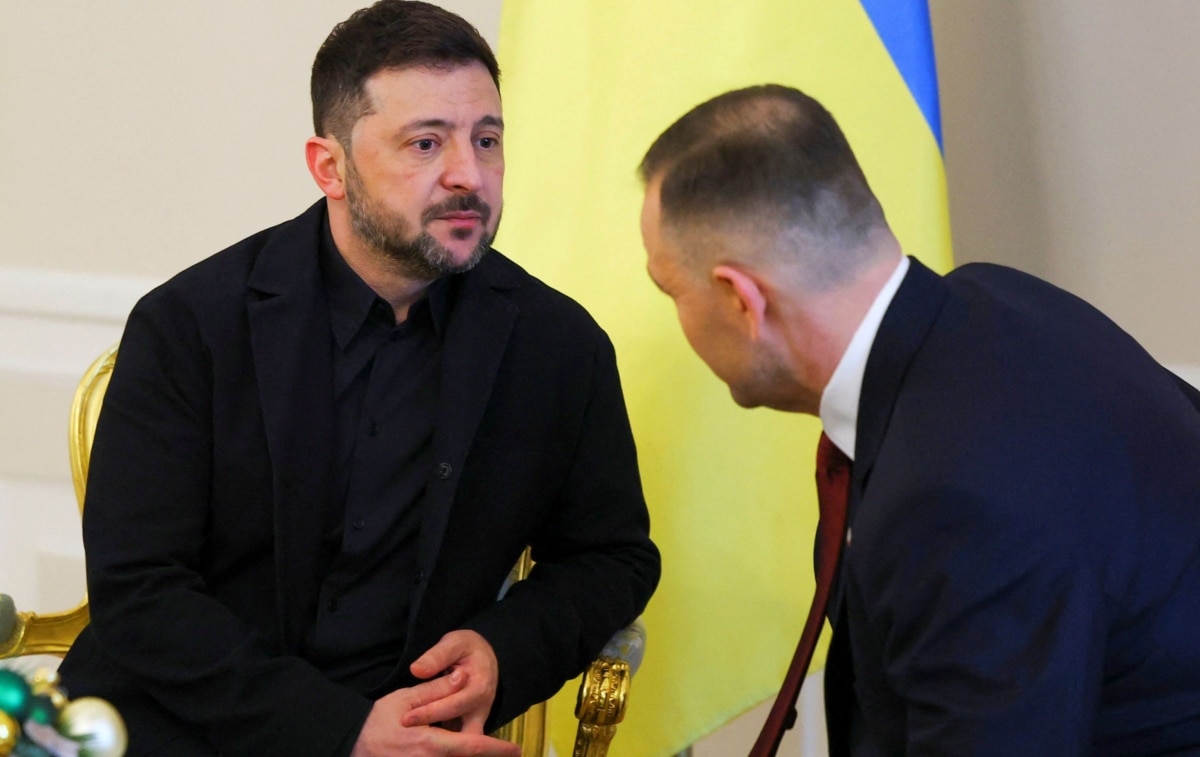
Poland opened its borders to Ukrainian refugees in the first days of the full-scale invasion and has since sheltered millions of people. Radio Svoboda examined why relations have soured despite that history, and why Russian influence has become more visible in Polish public life.
A friendship built by Giedroyc and Kuron
The idea that Polish and Ukrainian independence were bound together was championed by the Polish intellectual and publicist Jerzy Giedroyc, who argued there could be no independent Poland without an independent Ukraine. In 1959 Giedroyc published the first anthology of Ukrainian literature suppressed under Stalinism in the 1920s and 1930s, giving it the title "The Executed Renaissance." As editor of the Paris-based journal Kultura, he argued Poles needed to abandon pre-war political thinking, and that reconciliation between the two nations was only possible through honesty about their shared history.
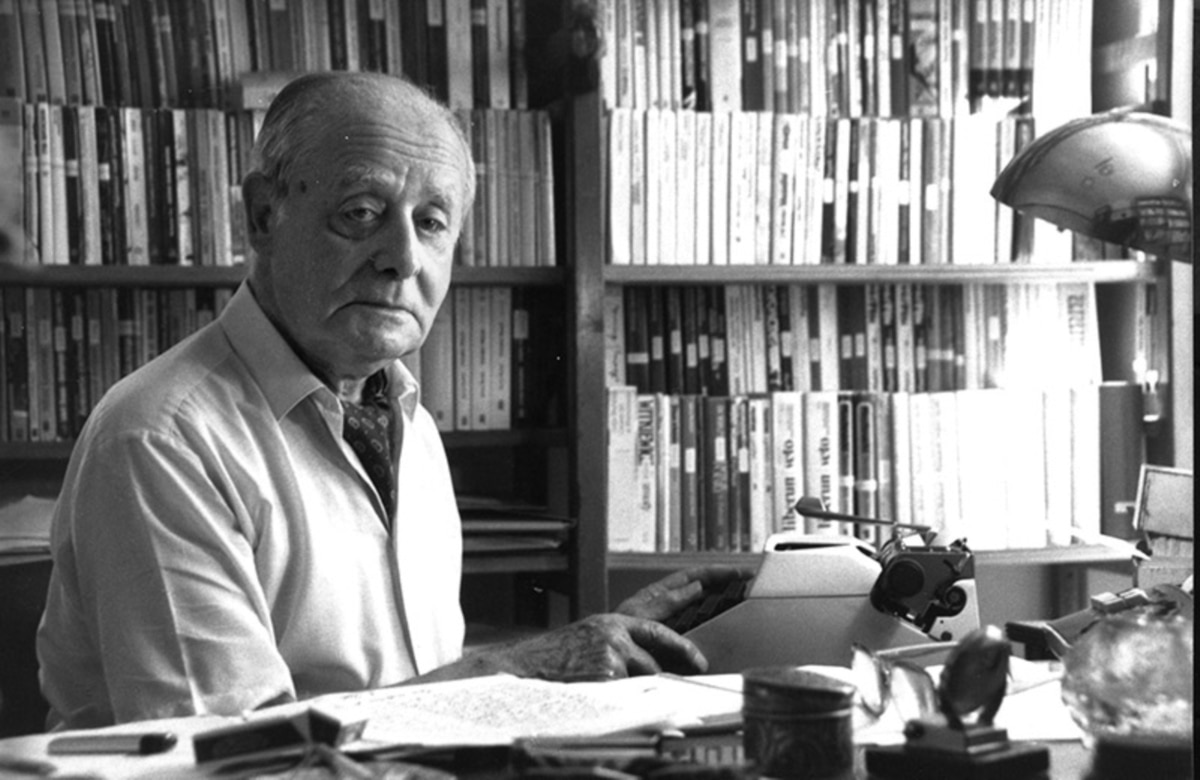
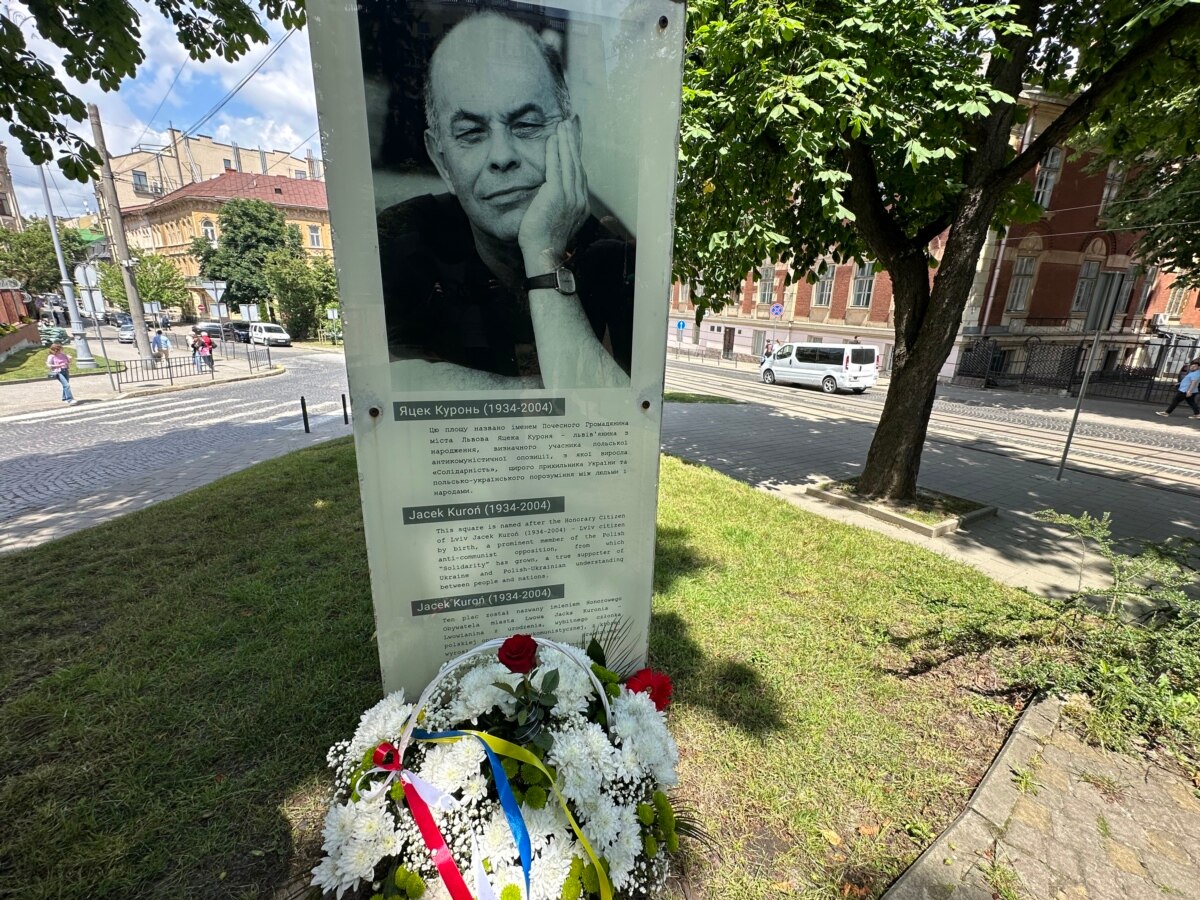
Researchers who study Giedroyc's legacy say his advocacy is a major reason Poland recognised Ukrainian independence first. A similar view was held by Jacek Kuron, the Polish dissident and Solidarity activist who was born in Lviv in 1934 and lived for 11 years on a street, now named after him, near the Polish consulate in the city. In 2010, during a dispute over Polish military graves at Lviv's Lychakiv cemetery, Kuron backed the position of Lviv's residents. He warned at the time that a war of cemeteries, once it began, would spread from one memorial to the next on both sides of the border until it poisoned everything else. In an interview with Radio Svoboda, Kuron said the biggest anti-Polish chauvinists were, in effect, the closest allies of the biggest anti-Ukrainian chauvinists.
What is driving the tension now
Radio Svoboda reports that a war of cemeteries, a war of monuments and disputes over the death toll of the Volyn tragedy, in which Ukrainians and Poles killed each other during the Second World War, now run through Ukrainian-Polish relations, much as Kuron predicted. Reports of conflicts in Polish cities surface weekly. The most recent incident angered not only Ukrainians but many Poles: a 14-year-old girl and her 12-year-old brother were assaulted by adult Poles for speaking Ukrainian to one another, and the girl had her arm twisted by one of the attackers.
Polish police arrested a 46-year-old woman and a 34-year-old man in Bydgoszcz over their alleged involvement in an attack on two Ukrainian children on 14 August. The woman was charged with making insults on national grounds, violating the physical integrity of a minor, and damaging property; the man was questioned as a witness. Poland's prime minister, Donald Tusk, condemned the attack on the Ukrainian children before the arrests were made.
A generational shift
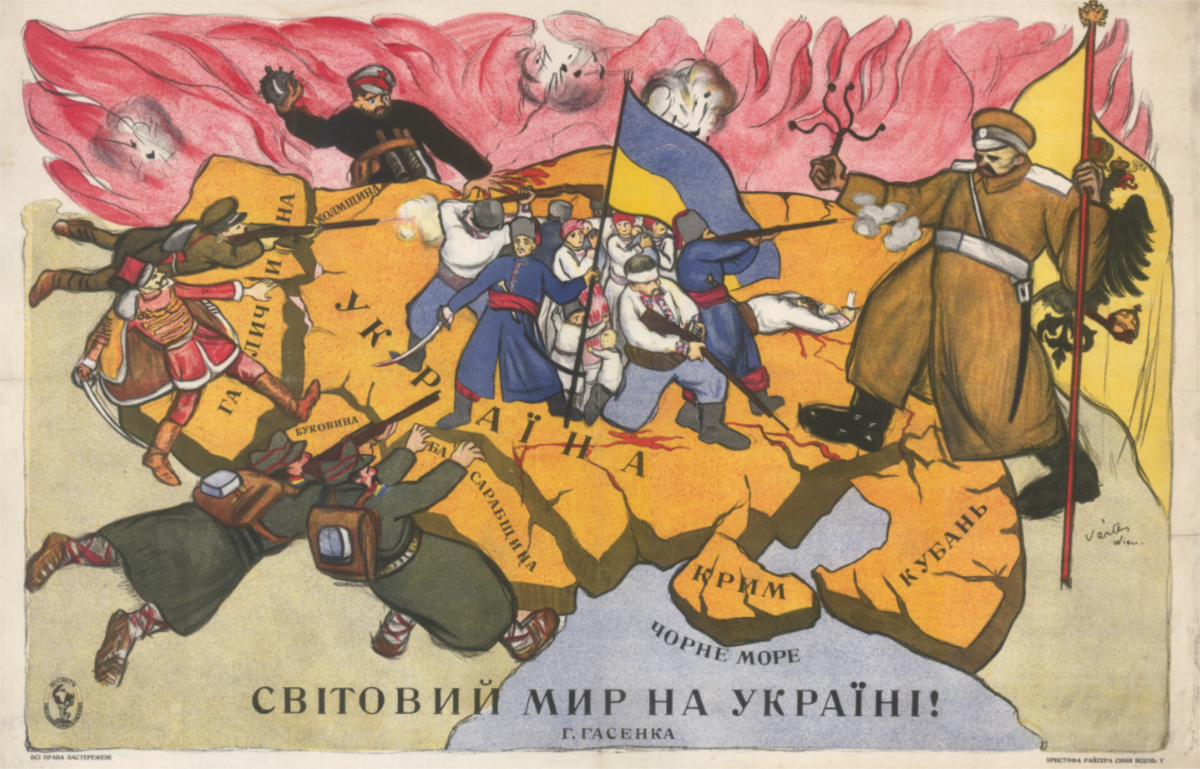
The Ukrainian historian and publicist Oleksandr Zinchenko said Polish society has undergone a generational change since Ukraine declared independence, with the generation of Kuron and Giedroyc, who understood the horrors of war and the value of Ukrainian-Polish partnership, gradually passing from the scene. Zinchenko said Kuron often noted that, unlike Poland, Ukraine had never twice stood in the way of another state's independence, a reference to Poland's armed aggression against Ukrainian statehood in 1918 and its 1921 agreement with Bolshevik Russia that left Ukraine divided between Poland and Bolshevik Russia. Poland itself was later divided between the Soviet Union and the Third Reich on 23 August 1939. Zinchenko said the new generation of Polish politicians has stopped heeding Kuron and Giedroyc and, despite Poland's own historical experience, appears not to have learned its lessons.
Fatigue and populism
Andriy Deshchytsia, Ukraine's ambassador to Poland from 2014 to 2022, said the circumstances today differ sharply from those of 1991. Ukrainian society is tired of the war, he said, but fatigue is also evident in Poland, where the large number of Ukrainians forced to emigrate because of the war has strained a public that once expected the arrangement to be temporary. That fatigue, Deshchytsia said, has fuelled right-wing populist movements, parties and leaders. He said there are no leaders today like Kuron or Giedroyc who understood the strategic importance of Ukrainian-Polish relations, only politicians who look after themselves and build careers on Polish nationalism, since the slogan "Poland for Poles" wins public support. He named Poland's president and far-right forces as the main beneficiaries of that support.
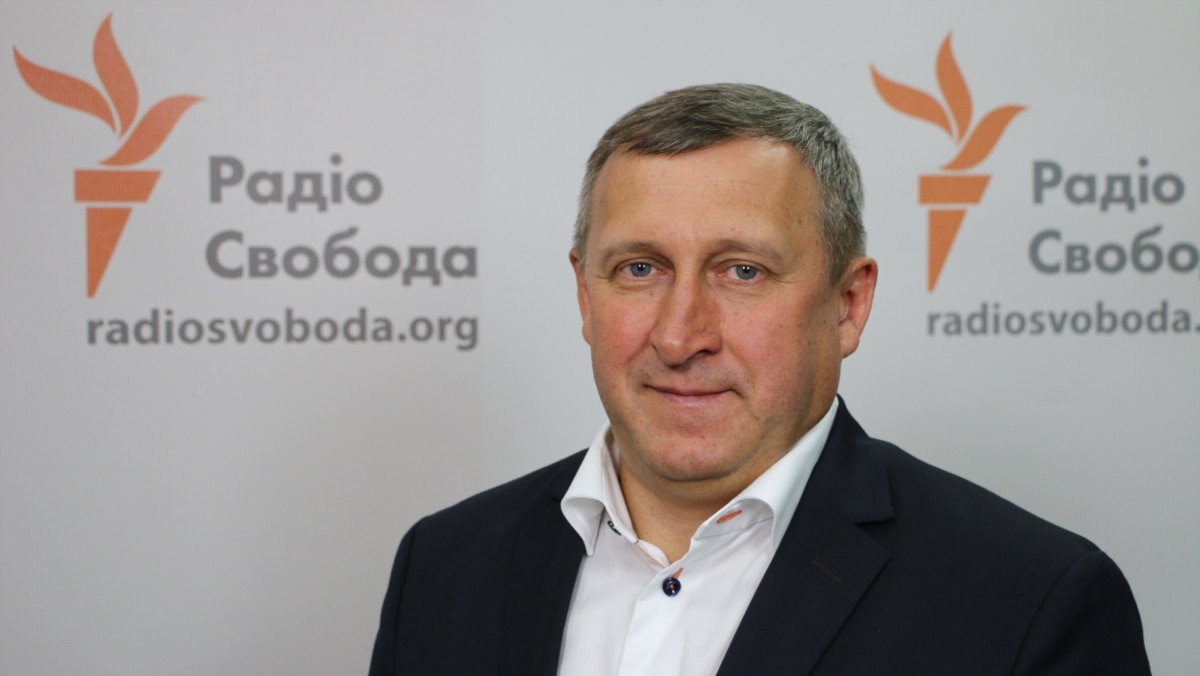
Deshchytsia said populist claims that Ukrainians are taking welfare payments away from Poles are common in Poland. According to World Bank data, Ukrainian citizens contributed roughly 3% of Poland's gross domestic product in 2024 and paid 15 billion zlotys in taxes, a trend that has continued this year. He said politicians nonetheless portray Ukrainians as unwanted, with some driven by outright hostility and others arguing the war is not Poland's to fight, so the country need not be involved.
Russia's role
Deshchytsia said Russia is also skilfully stoking Polish political and social sentiment, using channels of influence and agents in Poland, funding far-right political forces and cultivating an image of irreconcilable tension between Ukraine and Poland, because Moscow needs to isolate Ukraine. He called it an alarming trend that Polish politicians who say Ukrainians are unwanted make no equivalent case against Russia, even though Russia has previously partitioned Poland, killed Poland's political leadership in the Smolensk plane crash, and executed the Polish officer corps at Katyn. He said the far-right's silence on Russia while targeting only Ukrainians is a clear sign that Russia is behind the sentiment.
Polish police recorded 180 complaints of hate crimes from Ukrainians in the first half of 2026, a third more than in the same period the previous year, though officials say many victims are afraid to come forward.
A test of self-preservation
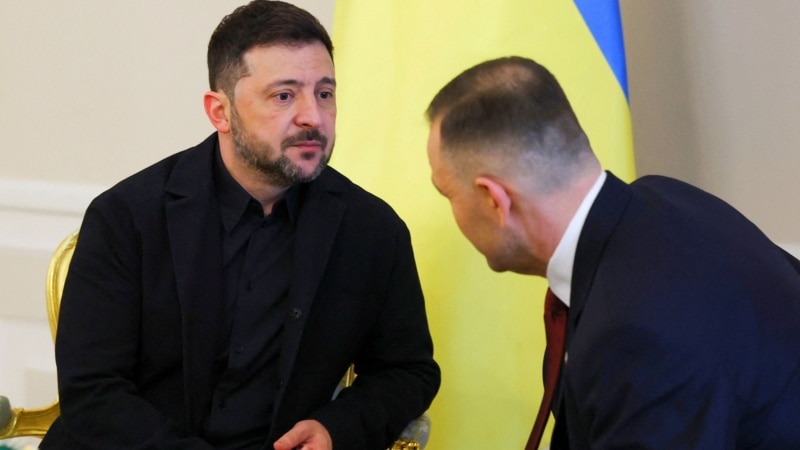
A survey by a Polish sociological research centre, published in July, found that more than 33% of Poles said their attitude toward Ukrainians had worsened. Of those, 56% blamed Ukraine's president, over the naming of a military unit after the UPA, 20% blamed both presidents, and about 20% blamed Poland's president, Karol Nawrocki. Tusk has called on Nawrocki to condemn the violence, but Nawrocki has not publicly commented on the attacks on Ukrainians in Polish cities.
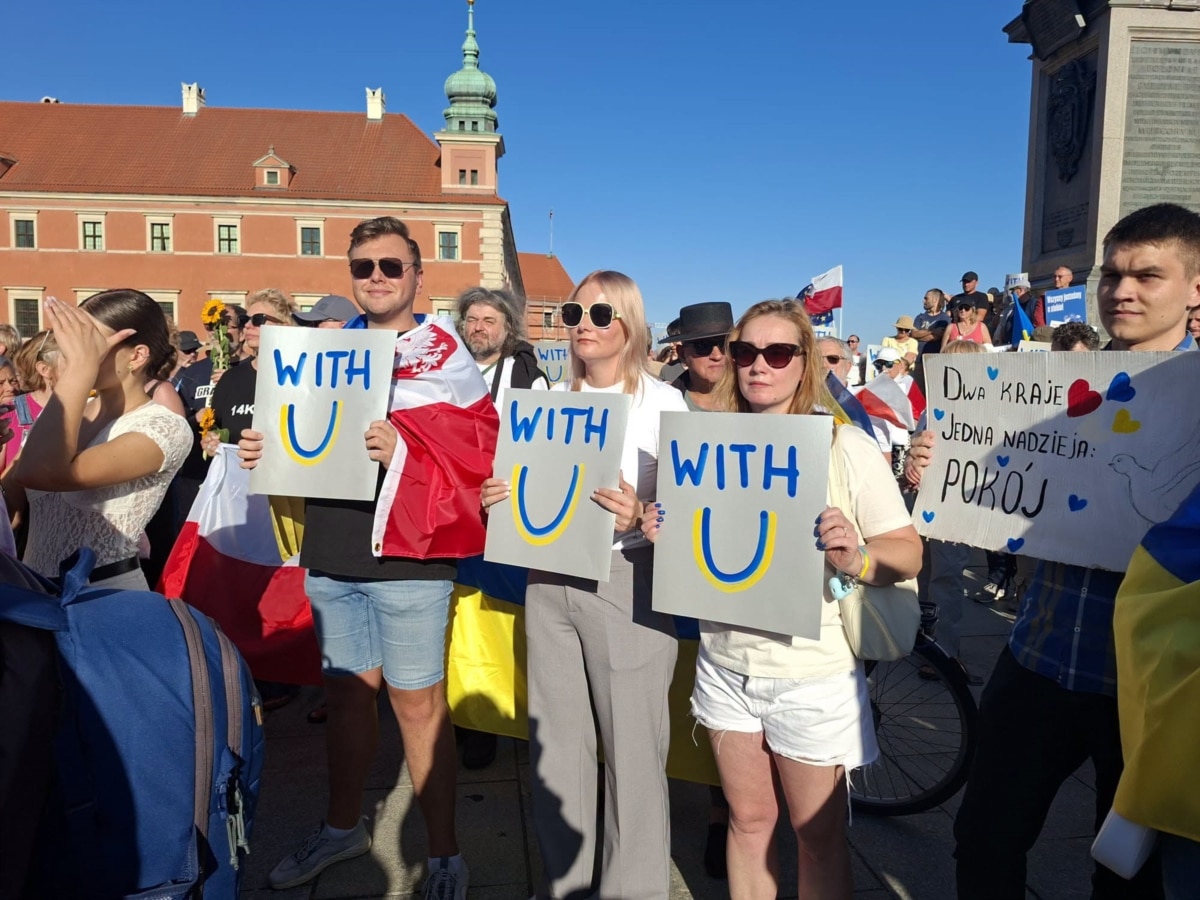
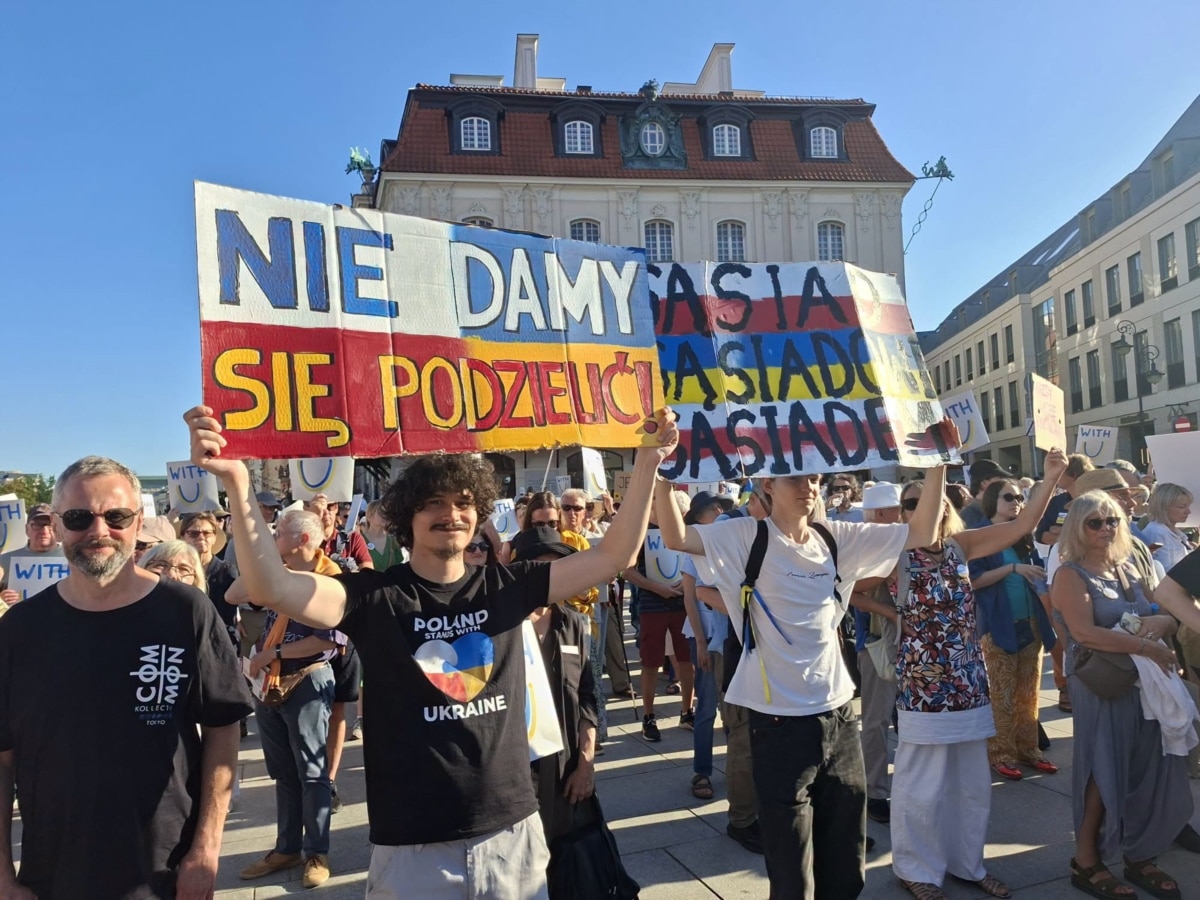
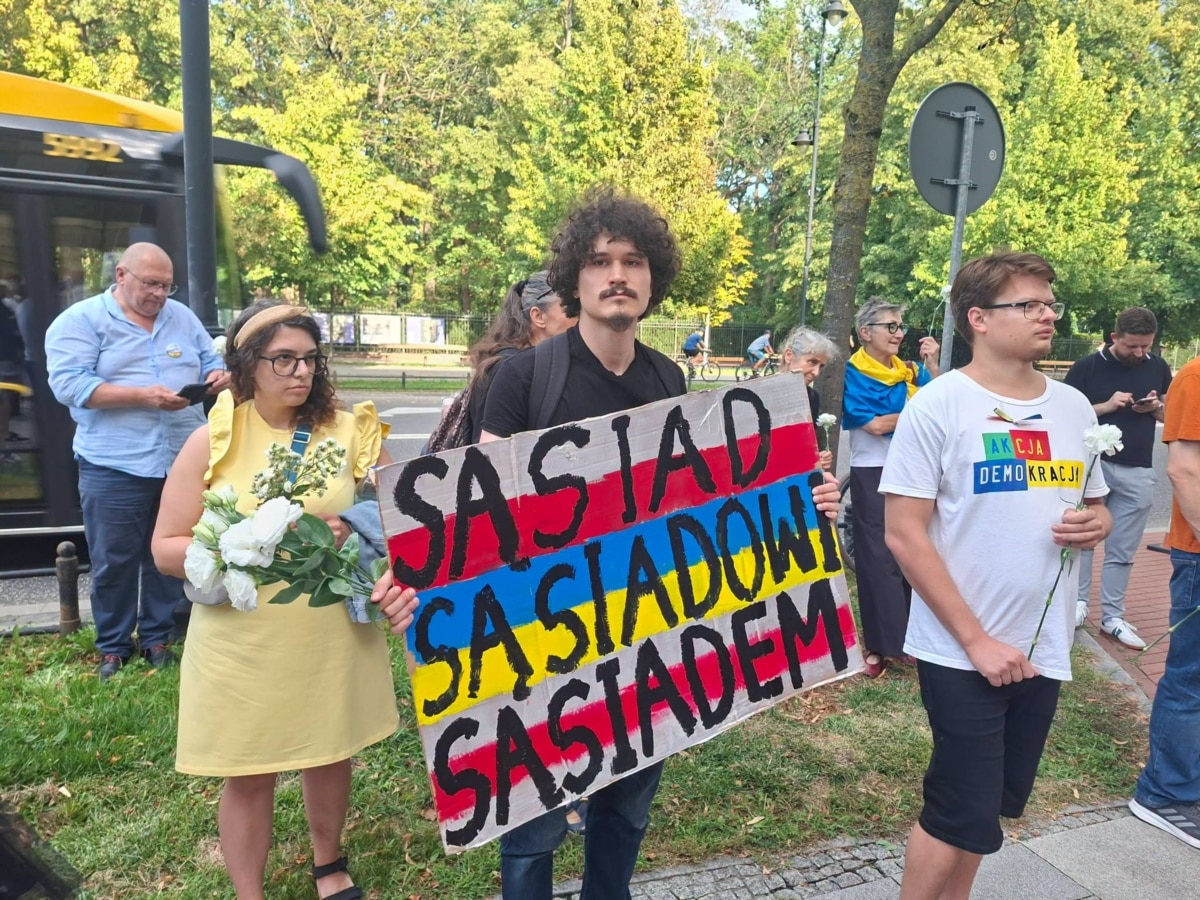
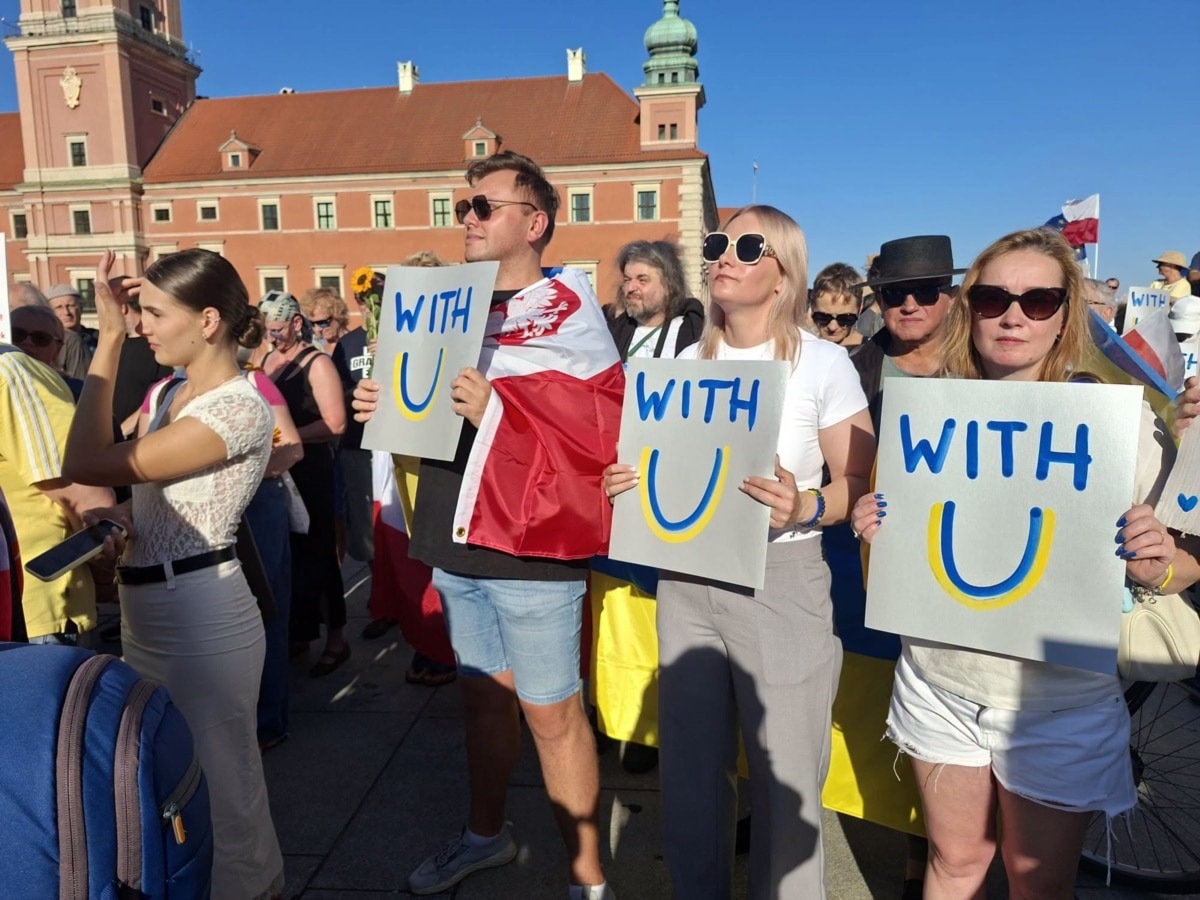
Part of Polish society continues to support Ukraine. On 7 August, "Don't Be Indifferent" rallies organised by the Committee for the Defence of Democracy took place in 22 Polish cities.
From 23 August, a new article of Poland's criminal code covering "pathostreaming" took effect, creating liability for spreading degrading content online and for inciting interethnic hostility on social media.
Rival, not younger brother
Deshchytsia pointed to another factor behind the strained relations: Ukraine has withstood the war with Russia as a state and has become something closer to a competitor than the junior partner Poland once expected to lobby for in the European Union and NATO. He said Ukraine has become a full-fledged actor in international politics, something Poles have struggled to accept.
The political scientist Yevhen Magda, an expert on Ukrainian-Polish relations, said Poles do not know Ukrainians well, and vice versa, and that the two countries' national interests have often failed to align. Poland formulated its national interests far more quickly, he said, while Ukraine is still working through that process, a painful process of two neighbours getting to know each other and discovering unspoken problems.
Zinchenko said Poland has sacralised its historical traumas rather than working through them, turning a sense of victimhood into a cornerstone of Polish identity. He said the country needed to take its history in its full complexity, contradictions and uncomfortable moments, rather than isolating a single episode.
Volyn and Katyn
In Poland, the Volyn tragedy, in which Ukrainians and Poles killed each other, has come to overshadow Katyn, where in the spring of 1940 Soviet secret police executed more than 21,000 Polish officers, police officers and members of the intelligentsia near Smolensk and in Soviet camps and prisons.
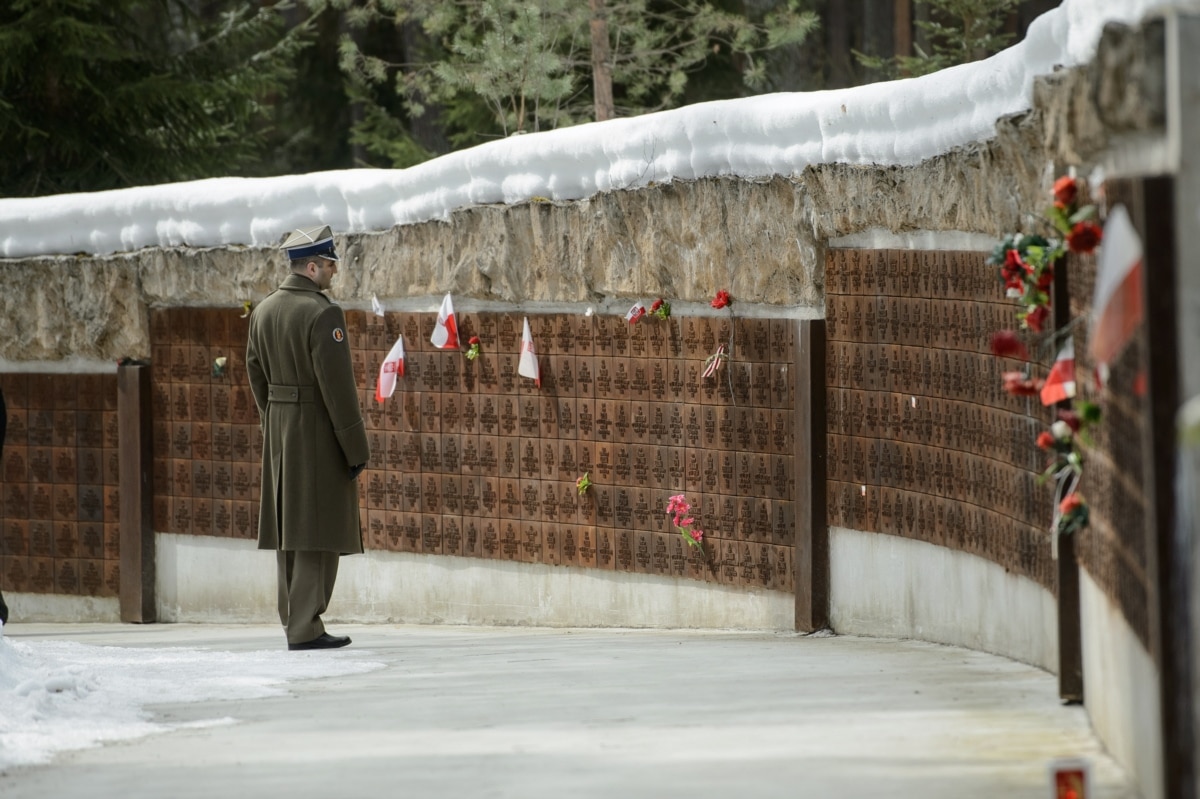
The publicist and political scientist Mykola Riabchuk said Poland prefers to view the Volyn tragedy in isolation, for reasons both objective, since it was genuinely a tragic episode of mutual killing, and subjective, since Polish nationalists have turned it into a sacred myth that lets them deny responsibility and strip out the historical context. He said Polish society has never seriously reckoned with the colonial legacy of the First, and especially the Second, Polish Republic, which he described as effectively a state of apartheid, and that the public is not ready to discuss it, leading to an unconscious effort to shift all blame onto Ukrainians. Riabchuk said the Kremlin has deliberately manipulated Polish grievances since the Orange Revolution and has scored what amounts to a huge success for Russian propaganda. He added that Ukraine also lacks restraint, saying both sides behave like teenagers; Ukrainians' conduct is understandable given the country has faced war and existential threat throughout its history, he said, but he was surprised and disappointed by the immaturity of a Polish society that is, by comparison, far more secure and stable.
Not opening a "Polish front"
Poland holds parliamentary elections in autumn 2027, and Riabchuk said political forces are expected to use the "Ukrainian question" to compete for votes, with right-wing parties tempted to use Ukrainians as scapegoats. He said Nawrocki won the presidency by mobilising the ultranationalist electorate and exploiting painful historical grievances, and that he and his supporters hope to repeat that strategy.
Deshchytsia said it was crucial for Ukraine not to open a "Polish front," stressing that Kyiv needs continued Polish support, particularly military assistance, and a safe, reliable neighbour at its rear, given that Russia remains Ukraine's principal threat. He said Poland's dissatisfaction should not be allowed to damage cooperation, given Poland's importance as a logistics hub, and that relations must not deteriorate to the point where Poland stops helping Ukraine.
Giedroyc regarded Ukraine's 1991 declaration of independence as one of the most important events of his life, writing that Ukraine's independence was a historic date in the fullest sense of the word. He was pleased that Poland was among the first countries in the world to recognise it.