

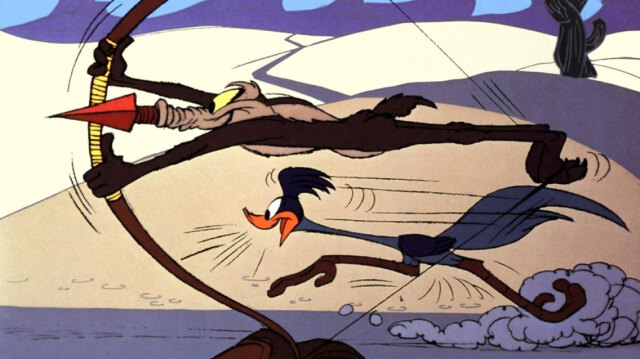
Wile E. Coyote, the hapless predator of the Road Runner cartoons, is the character audiences should have been cheering for all along, according to a commentary published this week. The piece argues that for 77 years fans have applauded the wrong animal in one of animation's most famous rivalries: the Road Runner had the speed, but the Coyote had brains, imagination and, as the piece puts it, a god working against him.
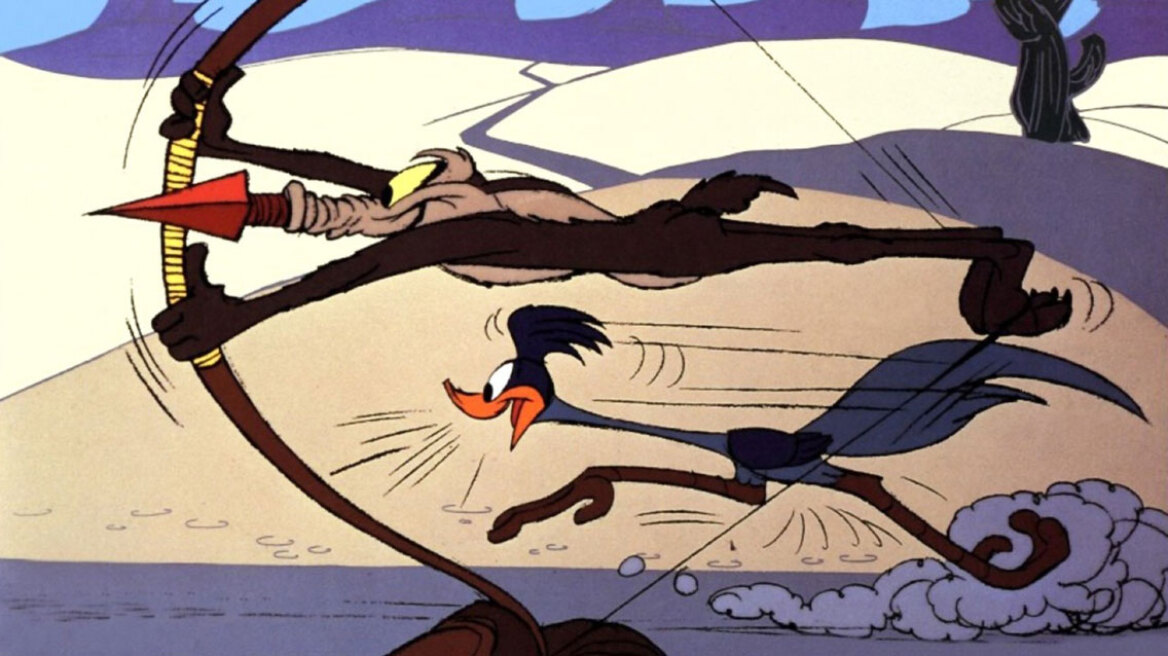
The commentary draws a direct line between the Coyote and the philosopher Albert Camus's Sisyphus. Had Camus spent a little more time with Looney Tunes, the piece suggests, he would likely have recognized in Wile E. Coyote a distant relative of his own doomed figure. One character eternally pushes a rock knowing it will roll back down, the other builds catapults, rockets and giant magnets knowing, or at least having every reason to know after so many failed attempts, that something will eventually fall on his own head.
The key difference, the commentary notes, is that Camus's Sisyphus at least had the consolation of philosophy. The Coyote, by contrast, had only an Acme catalog and his own creator, the animator Chuck Jones, working against him.
The myth behind the joke
Camus's 1942 essay "The Myth of Sisyphus" takes its name from the figure in Greek mythology condemned by the gods to push a boulder up a mountain for eternity, only for it to roll back down each time he neared the top. Camus used the myth as a metaphor for the human condition, concluding that one must imagine Sisyphus happy despite his endless, futile task.
Wile E. Coyote and the Road Runner are characters created for Warner Bros' Looney Tunes series, with the coyote's pursuit of his fast-footed prey among the studio's best-known recurring gags. Chuck Jones, the animator credited by the commentary, was one of the key directors behind the Looney Tunes shorts and helped define the visual style and comic timing of the Road Runner cartoons. In the films, the Coyote repeatedly orders elaborate contraptions from the fictional Acme Corporation in his attempts to catch the Road Runner, schemes that inevitably backfire on him rather than his prey.

By framing the Coyote's endless, doomed ingenuity alongside Sisyphus's endless, doomed labor, the commentary reframes a children's cartoon staple as a meditation on persistence in the face of guaranteed failure. Where the Road Runner wins simply by being fast, the piece argues, the Coyote loses despite, or perhaps because of, his creativity.

The commentary does not identify a change in how the cartoons themselves are made or shown, and offers no further detail on when or how its argument might be taken up elsewhere. It stands as a piece of cultural commentary reassessing a decades-old rivalry between two of animation's most recognizable characters.


