

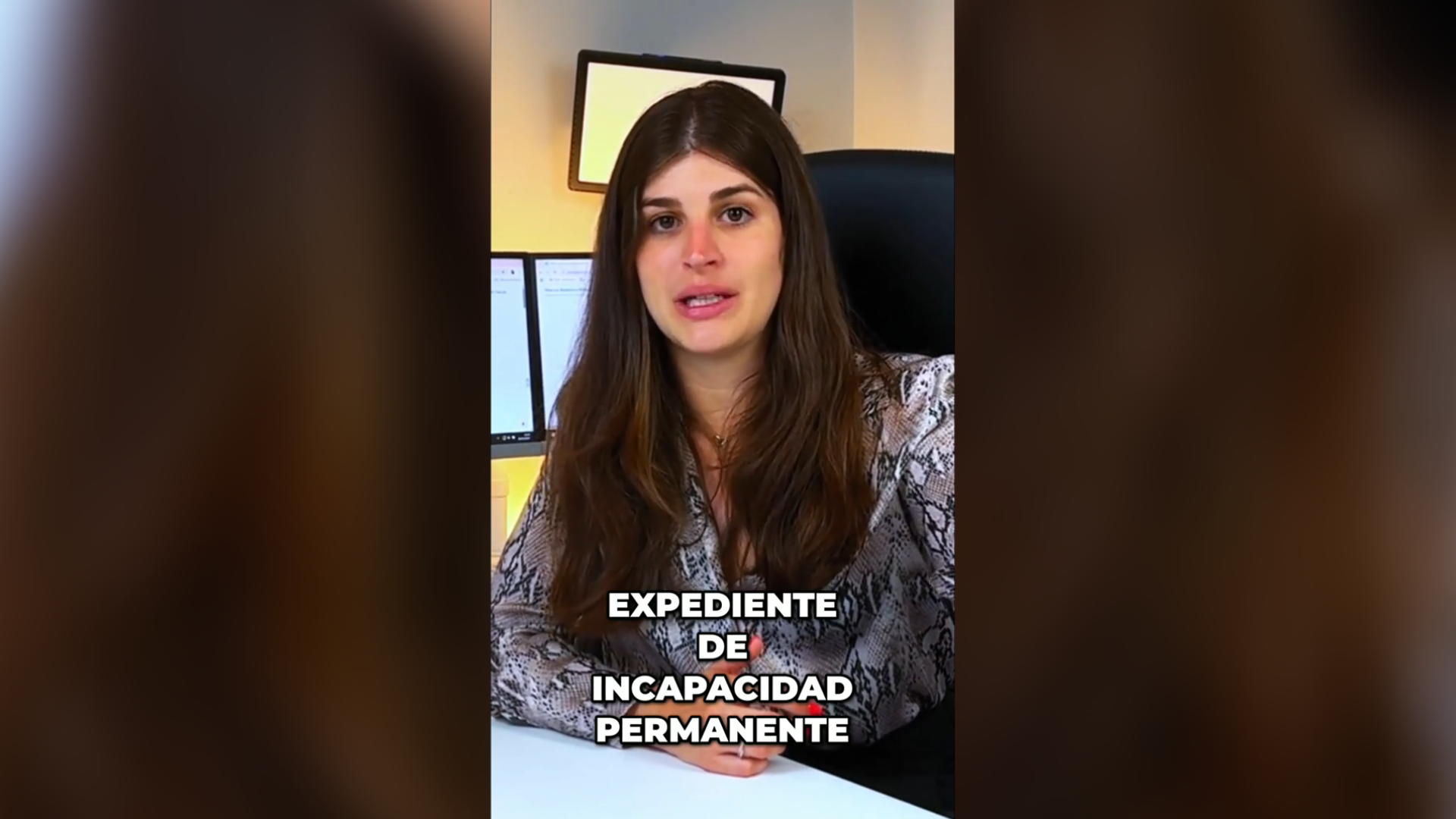
Spanish health law specialist Marina Alaminos has warned that the National Institute of Social Security frequently denies applications for permanent disability benefits in Spain.
The Madrid-based legal expert noted that administrative rejections are extremely common, making it essential for affected workers to understand legal procedures and administrative alternatives.
The National Institute of Social Security, known in Spain as the INSS, is the government body responsible for evaluating disability claims and managing social security pensions.
Importance of Detailed Medical Reports
Alaminos stressed that comprehensive clinical documentation is fundamental from the very start of the administrative process.
She emphasized that detailed medical histories are essential because they demonstrate the exact impact of health conditions on a person's ability to work.

Navigating Options Based on Employment Status
The lawyer outlined different procedures depending on whether an employee is currently on temporary medical leave, known locally as baja médica.
For workers already on medical leave, Alaminos explained that depending on the time elapsed, they can either wait for the INSS to initiate permanent disability proceedings or initiate the process themselves if their condition is chronic and definitive with no remaining therapeutic options.
When an employee is not currently on temporary disability leave, she noted that they must carefully weigh whether to seek sick leave first or launch permanent disability proceedings directly.
In related findings, lawyer Ignacio de la Calzada noted that a study revealed 25 percent of workers accumulate half of all medical leaves.
Legal Deadlines and Court Appeals
If the INSS issues a negative ruling on a permanent disability request, Alaminos emphasized that applicants have a strict 30-day deadline to appeal the administrative refusal.
She noted that missing this 30-day window risks forfeiting the legal right to challenge the decision.
Alaminos reassured applicants that an initial administrative rejection does not mean they lack the legal right to receive permanent disability benefits.
She pointed out that while the INSS denies claims by default, the outlook changes significantly in court, where applicants have far higher chances of securing their pension.

The process of temporary disability also involves specific rules regarding when workers collect pay while on leave and how medical discharge is determined, as detailed by expert Eugene Barmin.
Alaminos urged workers not to accept an initial administrative denial and to defend their rights through the available judicial channels.


