

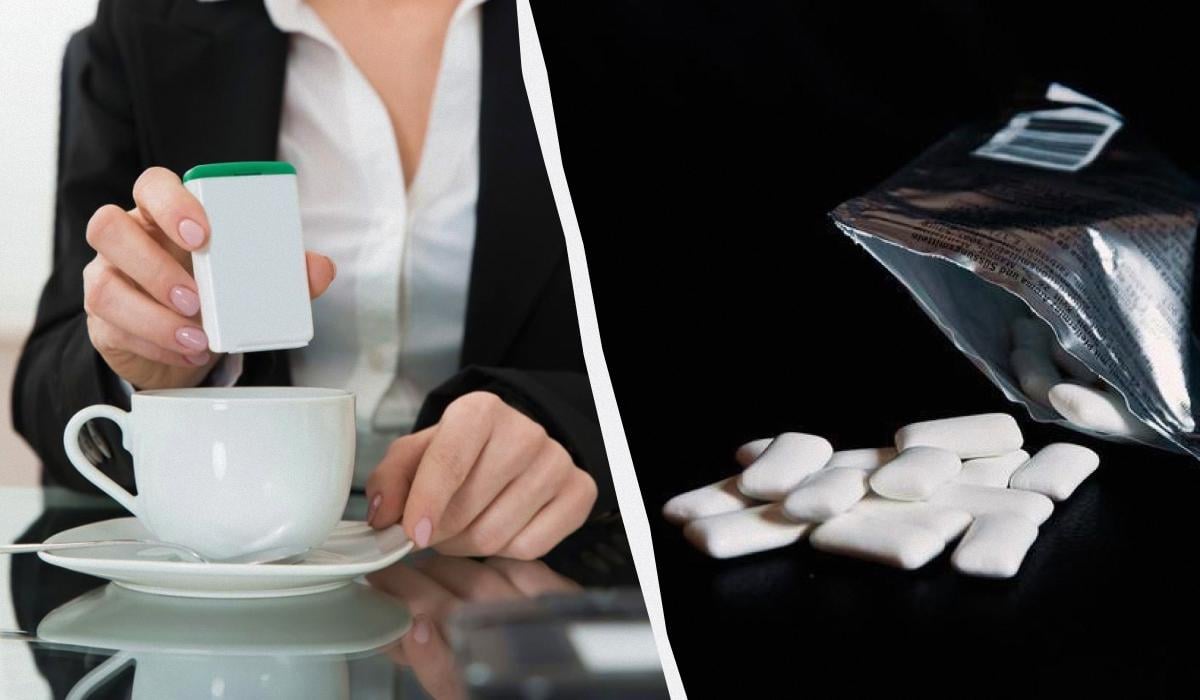
High blood levels of the sugar substitute xylitol are linked to a significantly increased risk of heart attack and stroke, according to a major study reported by The Guardian.
Researchers analyzed data from 17,710 participants in what is described as the largest study to date on the sweetener. The investigation compared the 25 percent of participants with the highest blood concentrations of xylitol against the 25 percent with the lowest levels.
Participants in the highest quartile faced a 57 percent higher probability of death, heart attack, or stroke over a six-year period compared to those in the lowest group. Over a longer 30-year timeframe, the likelihood of suffering a stroke or heart attack remained 18 percent higher for participants with the highest xylitol levels.
Xylitol is a sugar alcohol commonly used as a low-calorie sugar substitute. It is frequently added as a sweetener to everyday consumer goods, including chewing gum, toothpaste, yogurt, and ice cream.
Cardiovascular concerns and regulation
Study author Marco Witkowski, of Charite University Hospital in Berlin, said artificial sweeteners are consumed by people who consider them healthier than sugar. He noted that regulating bodies generally view these substitutes as safe for human consumption.
Charite University Hospital is one of Europe's largest university hospitals and a major medical research institute in Germany. Heart attacks and strokes are cardiovascular events caused by disrupted blood flow to the heart muscle or brain tissue.
Witkowski said the study results highlight how little is still known about the impact of xylitol on the human cardiovascular system. He added that additional research is necessary, not least because the amount of xylitol used in commercial products is constantly increasing.
Broader research on sugar substitutes
The findings follow earlier scientific work investigating sugar alternatives. Researchers previously tested seven popular sugar substitutes and established that their consumption can lead to accelerated brain aging and memory impairment.


