A nearly complete skeleton found in Oregon in the late 1980s has turned out to be one of the oldest dogs ever discovered in North America, after paleontologists spent decades mistaking it for a different extinct mammal.
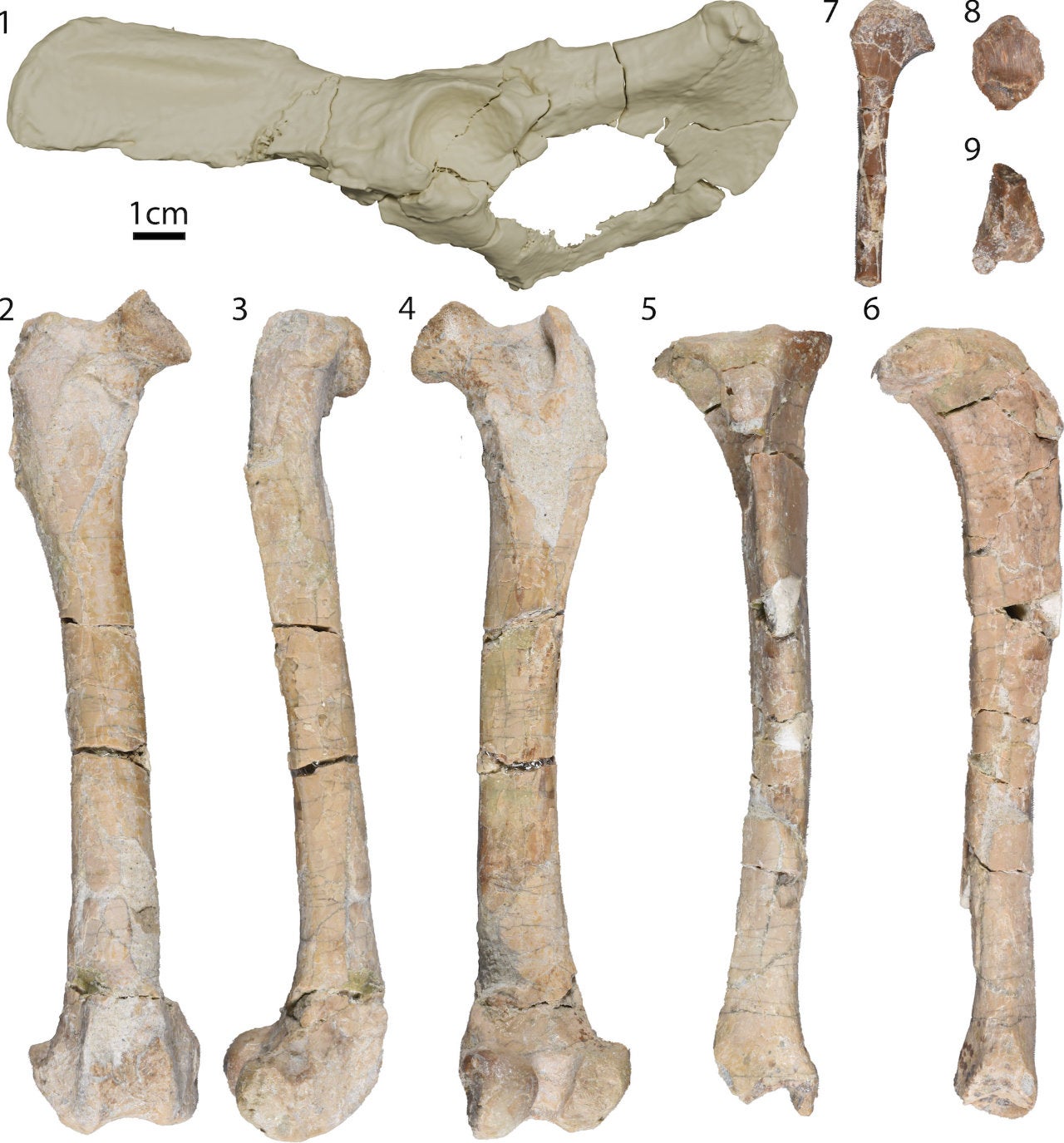
For years, researchers believed the fossil, roughly 30 million years old, belonged to an oreodont, an extinct mammal often described as a mix of sheep, camel and pig. Workers separated the skull from the surrounding rock in the 1990s, and it was not until 2012, after the rest of the stone was carefully cleaned away, that the mistake became clear.

Anne Kort, a paleontologist at the University of Michigan, took on the task of analyzing the specimen in full. She confirmed it belonged to Mesocyon coryphaeus, a species first identified in the late 19th century but until now known only from isolated skulls. This fossil was missing just the tail and a few leg bones, and was so well preserved that even the baculum, the penis bone, survived, allowing researchers to determine the animal's sex.
A stocky body built for climbing
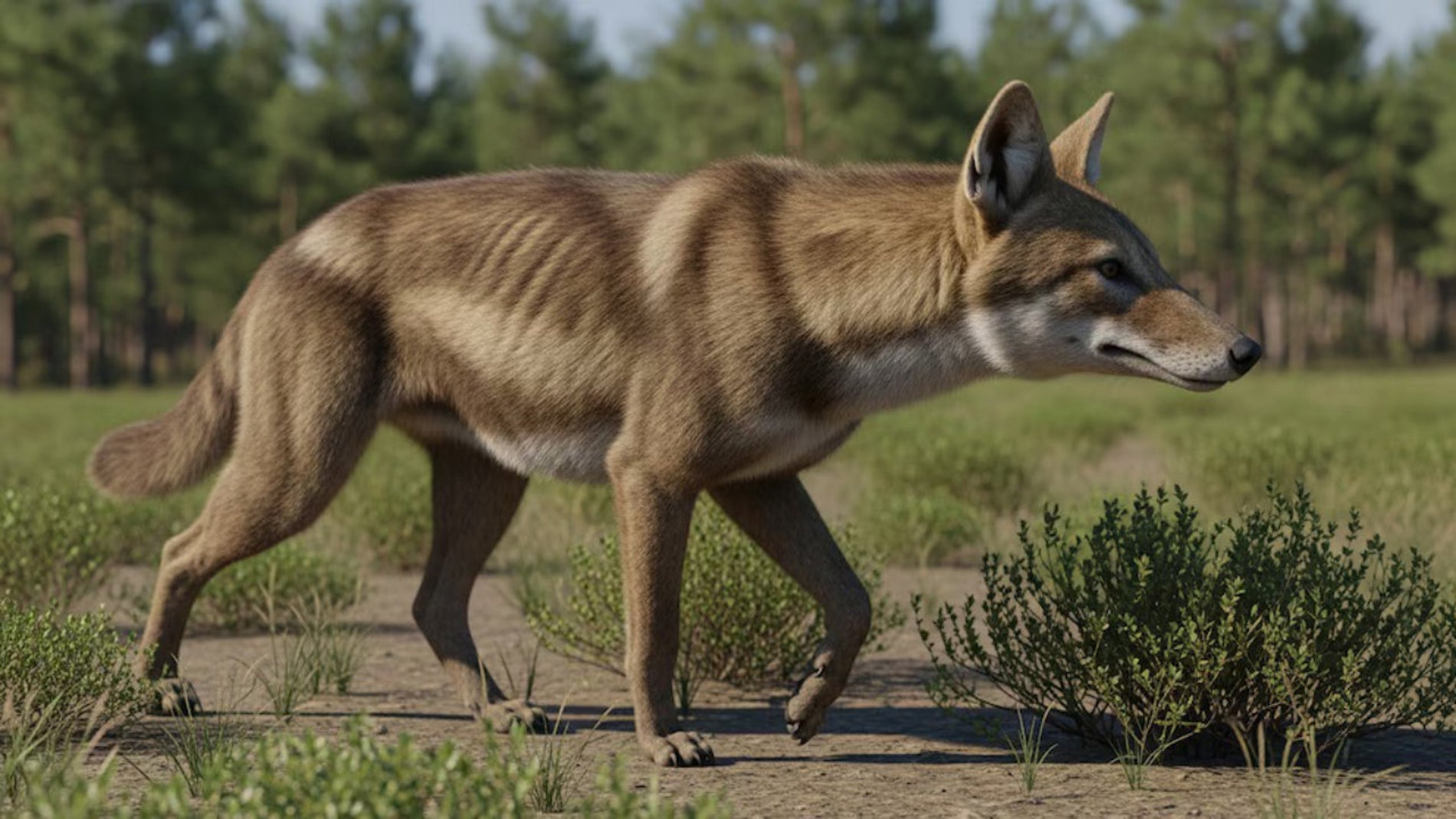
Having such a complete skeleton changes what scientists thought it meant to be a dog at the time. Kort's analysis describes an animal far from the lean, fast-running canines of today. About 30 million years ago, as dense jungle gave way to more open forest, this dog had a lower, wider and more compact body.

It was not built for speed, but it could climb and grasp prey. Rather than walking on its toes as modern dogs do, it planted part of its heel on the ground.
A branch that vanished for good
Mesocyon coryphaeus was not an ancestor of today's dogs. It belonged to an evolutionary branch that went extinct without leaving any descendants. When that lineage died out, a distinct way of living as a dog disappeared with it and was never repeated, a reminder that evolution does not always fill the gaps left behind when a species vanishes.