Melting glaciers on the Antarctic Peninsula are releasing toxic mercury into the Southern Ocean at accelerating rates, according to a study published in the journal Proceedings of the National Academy of Sciences. Researchers examined bottom sediments off the Antarctic Peninsula, the region where glaciers are melting faster than anywhere else in Antarctica.
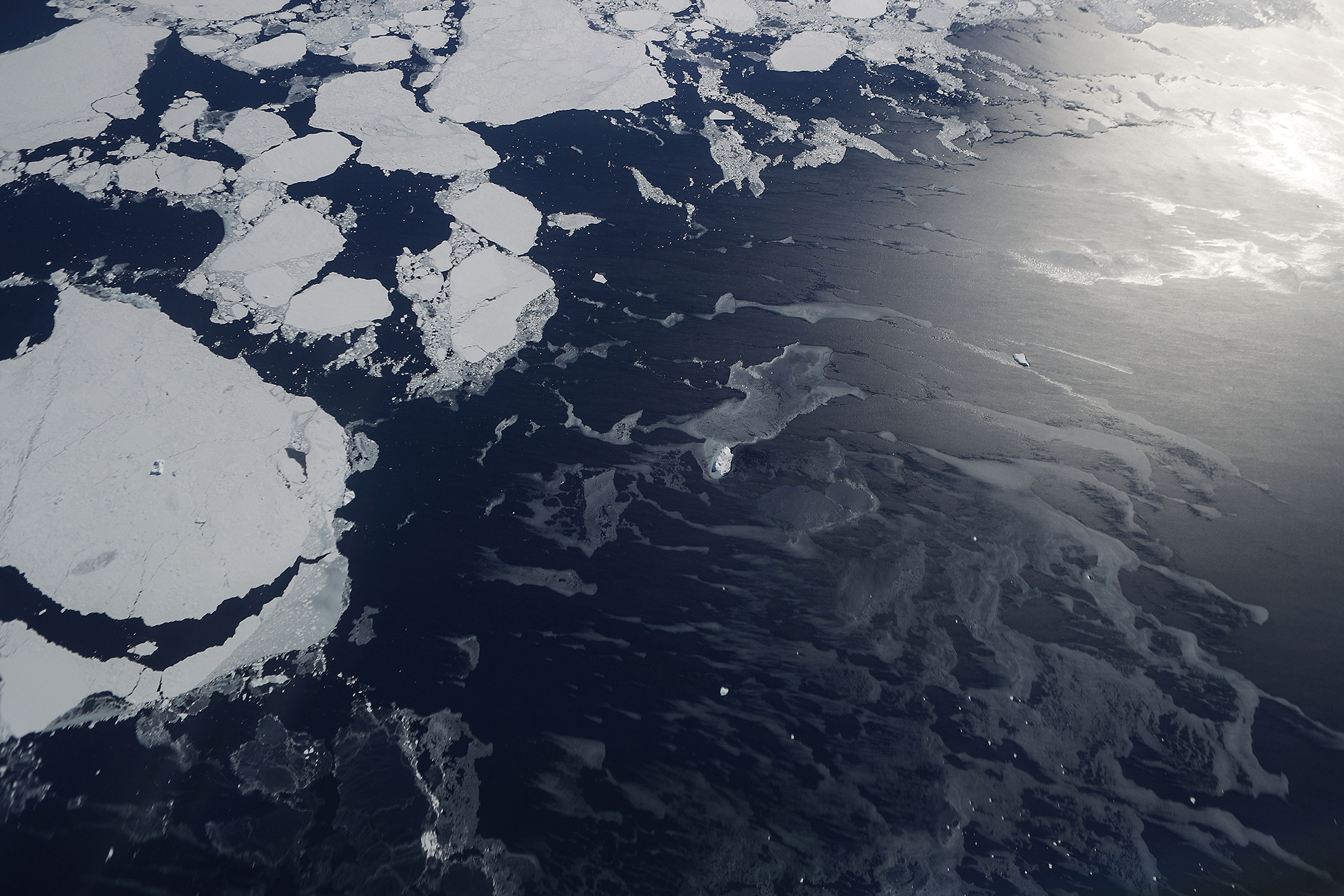
The study found that the rate of mercury accumulation in the area has risen by 160 percent since the beginning of the industrial era. As global warming continues to melt the glaciers, mercury accumulated over the past two centuries is being released into the water, transforming Antarctica from a natural storage vault for the toxic metal into a new source of contamination.
Calculations in the paper showed that mercury emissions from land caused by melting ice have increased by 550 percent. Exchange of mercury between the ocean and the atmosphere grew by 350 percent, while the transport of pollution by ocean currents expanded by roughly 400 percent, raising risks that mercury will spread far beyond Antarctic waters.
Risks to marine ecosystems
The authors warned that the influx of mercury could severely affect marine ecosystems. Under the influence of bacteria, mercury converts into highly toxic methylmercury, which accumulates through the food chain from microalgae and krill to fish and large predators. Scientists said mercury concentrations in certain Antarctic fish and shark species have already surpassed previous records and established safety thresholds.