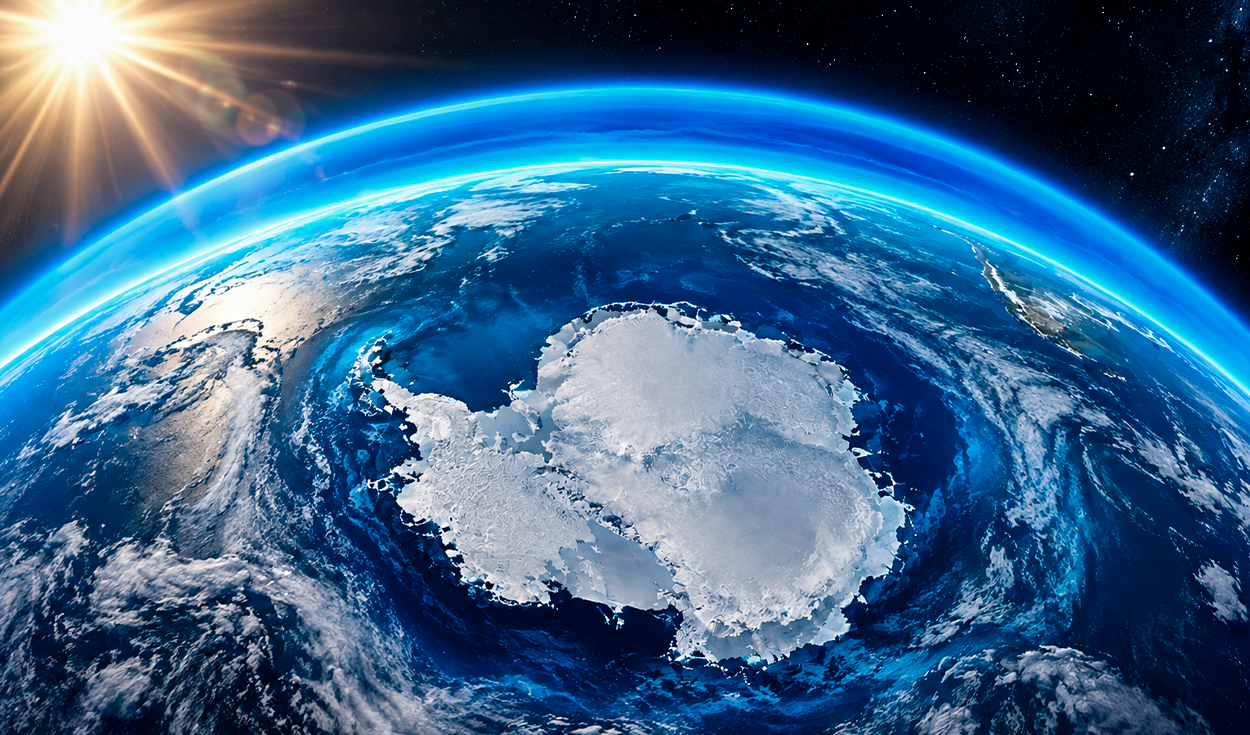
The Antarctic ozone hole shrank in 2025 to one of its smallest sizes in 20 years, ranking as the fourth or fifth weakest depletion recorded since 1992, the World Meteorological Organization reported. The environmental progress provides further evidence of long-term recovery in Earth's protective atmospheric shield.
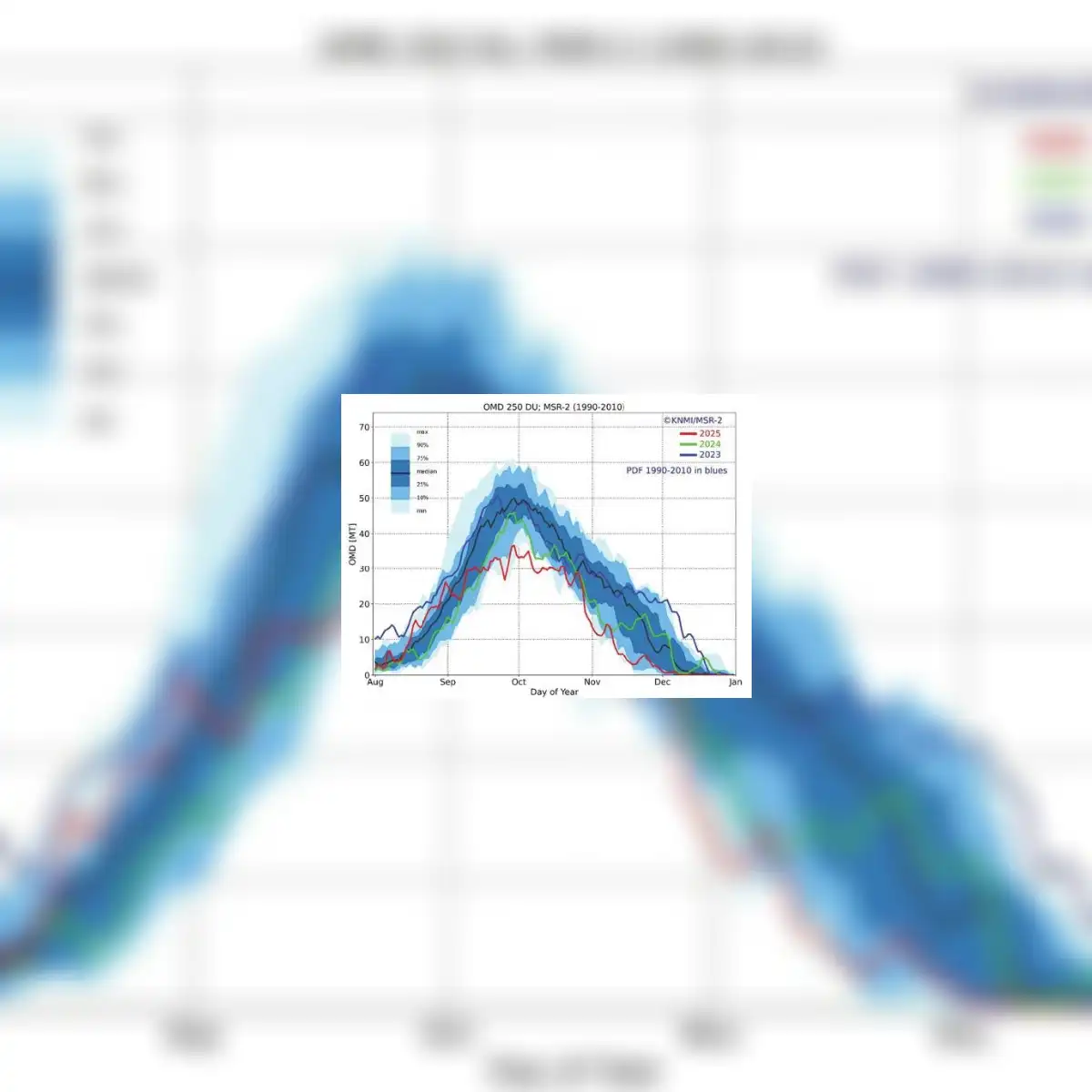
According to the latest Ozone and UV Bulletin published by the international body on September 4, 2026, the maximum mass deficit of ozone reached 36.7 million tonnes on September 29, 2025. That deficit stands more than 25 percent below the historical average of 50.1 million tonnes measured between 1990 and 2010.
Celeste Saulo, the secretary-general of the World Meteorological Organization, described the reduction as an environmental success. Saulo stated that the ozone layer has experienced continuous recovery since the year 2000, although she cautioned that the complete restoration of the natural shield will still require several decades.
The World Meteorological Organization, based in Geneva, Switzerland, is the specialized agency of the United Nations responsible for promoting international cooperation on weather, climate, and water resources. Saulo, an Argentine meteorologist, became the agency's first female secretary-general in 2024. Experts at the agency noted that while long-term trends remain favorable due to chemical reductions, annual fluctuations in the hole's size are still heavily influenced by atmospheric dynamics.
Factors behind the reduced depletion
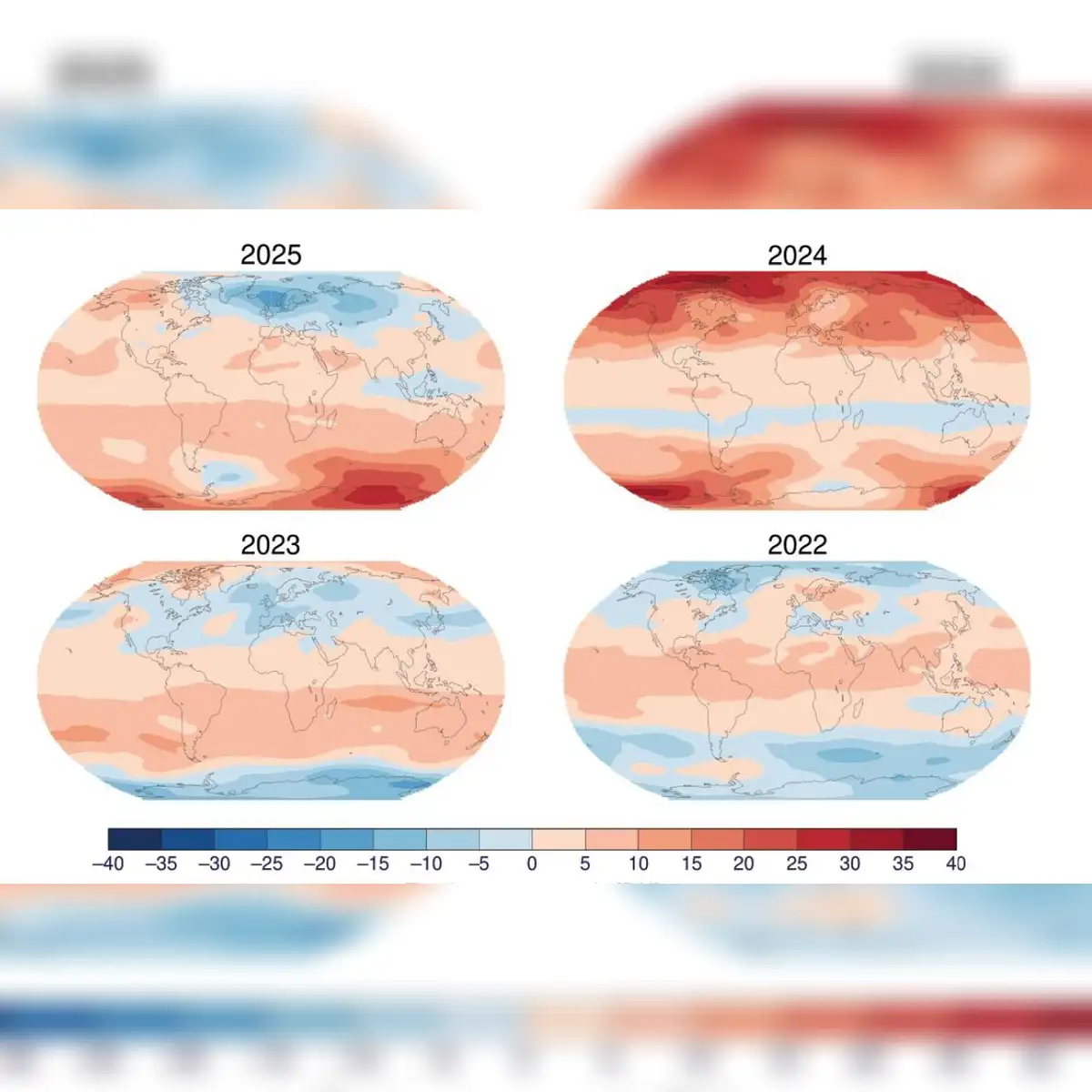
Scientific analyses of the 2025 season revealed that an unexpected temperature rise in the Antarctic stratosphere played a major role in curbing ozone loss. Beginning in mid-September, several large-scale planetary atmospheric wave events raised temperatures in the lower stratosphere, restricting the total surface area of damaged gas.
Measurements confirmed that the ozone hole reached its seasonal maximum peak area of 22.9 million square kilometers on September 9. That peak occurred significantly earlier in the southern hemisphere spring than recorded in previous observation years.
The stratosphere is the layer of Earth's atmosphere positioned directly above the troposphere, extending from roughly 10 to 50 kilometers above the planet's surface. The ozone layer within this region absorbs harmful ultraviolet radiation from the sun, protecting terrestrial life.
A weakened polar vortex also contributed to limiting the hole's expansion by allowing ozone-rich air from middle latitudes to flow toward the southern continent. Thermal disturbances slowed the cyclonic atmospheric current, which accelerated the mixing of surrounding gas masses and hastened the dissipation of the depletion zone.
This atmospheric dynamic precipitated the complete disintegration of the ozone hole on November 30, 2025. That closure date occurred approximately 11 days ahead of the historical average computed between 1992 and 2024.
Chemical phase-out and international treaties
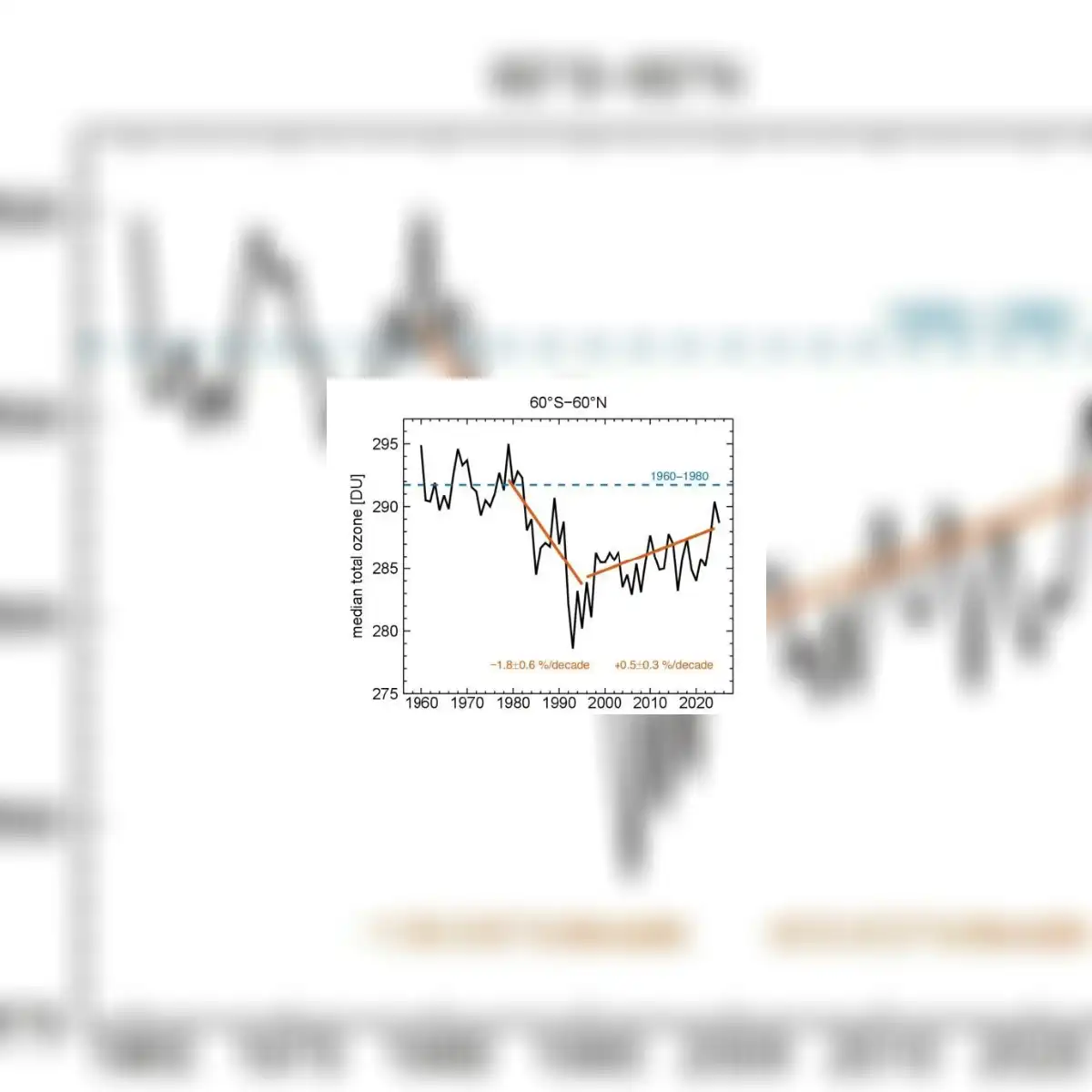
Alongside seasonal meteorological conditions, scientists credited the steady decline of atmospheric chlorine and bromine compounds for the smaller hole. The reduction is the direct result of the 1987 Montreal Protocol, an international treaty designed to phase out manufactured ozone-depleting substances, including chlorofluorocarbons.
Chlorofluorocarbons were historically manufactured for use as refrigerants, aerosol propellants, solvents, and blowing agents in foam insulation. When these chemical compounds reach the upper atmosphere, solar ultraviolet radiation breaks them apart, releasing free chlorine and bromine atoms that destroy ozone molecules through catalytic chain reactions.
Throughout much of the 2025 cycle, atmospheric monitoring detected chlorine concentrations significantly below typical historical levels. The United Nations Environment Programme, the international agency based in Nairobi that coordinates global environmental activities, confirmed that the overall atmospheric abundance of ozone-destroying substances has fallen consistently for approximately two decades.
Regional variations and radiation risks
Atmospheric conditions during 2025 were not uniform across the globe. The World Meteorological Organization reported that the ozone column registered below-average levels over a vast territory in the Northern Hemisphere, extending across Greenland, Western and Central Europe, Central Asia, northern Japan, and the Kamchatka peninsula.
The Kamchatka peninsula is a remote, 1,250-kilometer-long region in the Russian Far East located between the Pacific Ocean and the Sea of Okhotsk. Officials emphasized that short-term regional fluctuations stem from complex atmospheric circulation patterns and do not contradict the broader global recovery trend.
In Europe, observational data shows that ultraviolet radiation levels have increased by up to 20 percent since the mid-1990s. The World Meteorological Organization noted that this shift does not indicate new ozone layer destruction, but is instead driven by reduced cloud coverage that allows greater direct sunlight exposure.
A scientific study published in 2026 attributed 80 percent of the European ultraviolet radiation variation to changes in cloud cover and the remaining 20 percent to the impact of atmospheric aerosols. The agency cautioned that elevated ultraviolet radiation exposure raises the risk of skin cancer, cataracts, and related health conditions in humans.
Timeline for global recovery and monitoring challenges
Full recovery of the global ozone layer will require sustained compliance with chemical bans and long-term monitoring. Joint evaluations by the United Nations Environment Programme and the World Meteorological Organization project that ozone concentrations will return to 1980 baseline levels by around 2040 for most of the world, by 2045 in the Arctic, and by 2066 over Antarctica.
However, scientific bodies alerted governments to a critical decline in the global observational network. The number of active ozone monitoring stations worldwide has dropped from roughly 130 operational sites in the 2000s to approximately 110 today, creating measurement gaps at a time when continuous, long-term data series are essential to verify atmospheric restoration.